In short
- Protected: Yanbaru National Park since 15 September 2016; part of the World Heritage site 'Amami-Oshima Island, Tokunoshima Island, Northern part of Okinawa Island, and Iriomote Island' since 26 July 2021.
- Must-do: Hiji Falls trail, Daisekirinzan's karst, Cape Hedo, a mangrove paddle on the Gesashi or Taira rivers.
- Wildlife: the Okinawa rail (yanbaru kuina), Okinawa woodpecker and Ryukyu long-haired rat live only here. Drive slowly.
- Practical: about 2.5–3 hours' drive from Naha; few shops and fuel stations; stay a night in Kunigami or Higashi.
What Yanbaru is
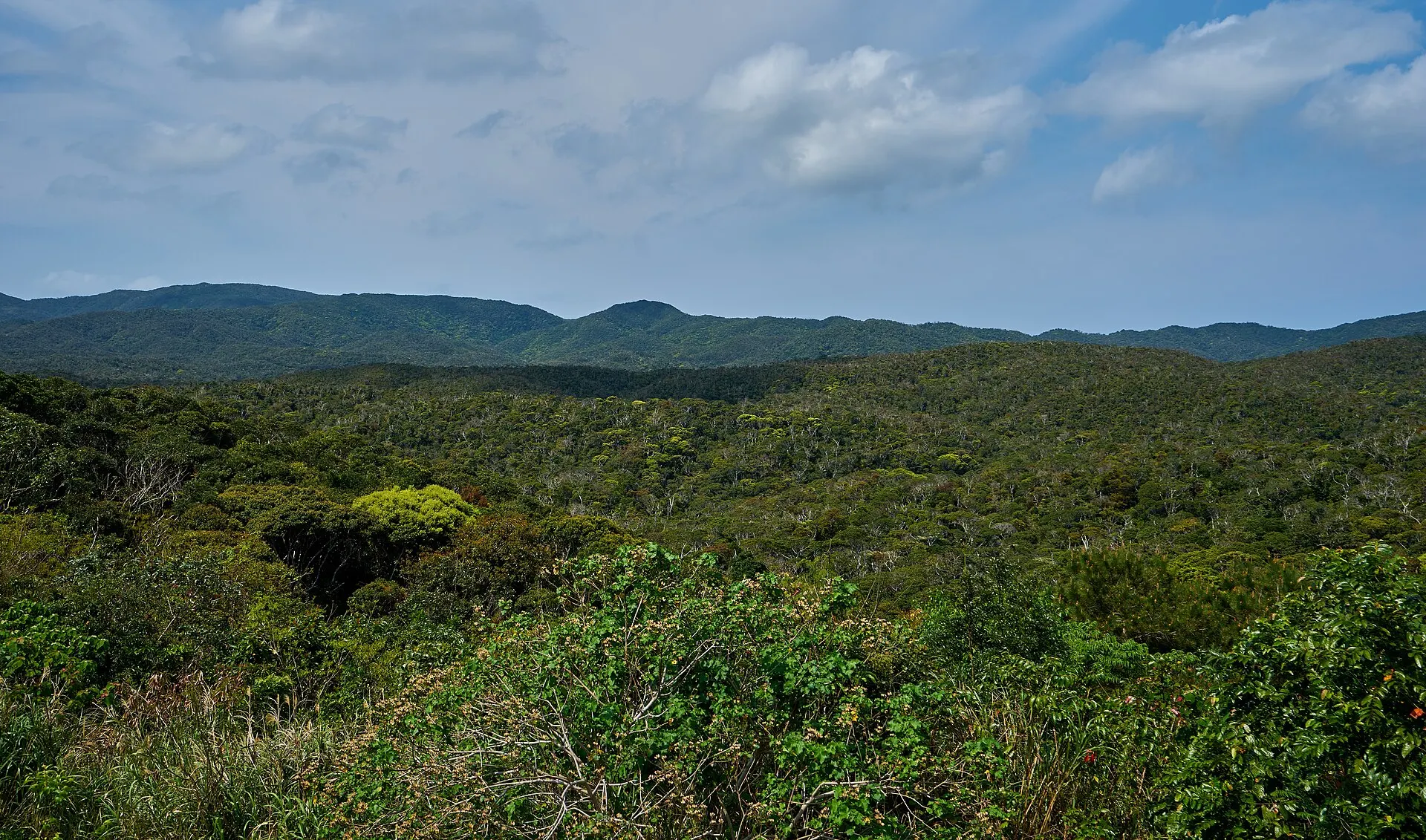
Yanbaru (やんばる) is the name Okinawans use for the mountainous, forested north of the island, roughly the villages of Kunigami, Ōgimi and Higashi. Its subtropical evergreen broadleaf forest, dominated by Itajii chinquapin (Castanopsis), covers steep ridges that rise to Mount Yonaha (about 503 m), the island's highest point. Because the Ryukyu Islands were separated from the continent long ago, the forest is home to animals found nowhere else, among them the flightless Okinawa rail (discovered by science only in 1981), the Okinawa woodpecker and the Ryukyu long-haired rat.
The Ministry of the Environment designated Yanbaru National Park on 15 September 2016 (17,352 ha of land), and on 26 July 2021 UNESCO inscribed the northern part of Okinawa Island together with Amami-Oshima, Tokunoshima and Iriomote as a natural World Heritage site, for its biodiversity and endemic species. Much of the land returned from the US Northern Training Area in December 2016 was later added to the park. See world heritage.
Book tours in YanbaruLive times, prices and free cancellation terms on GetYourGuide.
Check availabilityHiji Falls and the forest trails
Hiji Falls (比地大滝) in Kunigami is the island's tallest waterfall, about 26 m. The trail starts from a campground at the mouth of the Hiji River and climbs through forest and over a suspension bridge to the falls: about 1.5 km and 40 minutes one way, with many steps. An entry fee is charged at the campground office, and entry stops in the afternoon, so start early. The trail closes in heavy rain.
Other forest trails are best walked with a guide, who knows where the habu snakes and the leeches are and where the trails have washed out. The Ministry of the Environment's Yanbaru Wildlife Conservation Center (Ufugī Nature Museum) in Kunigami and the Yanbaru Gakunomori forest park in Kunigami are good places to learn about the forest.
Yanbaru waterfall trek with transportation
A guided trek to a waterfall in the Yanbaru forest, with transport included per the listing title.
Check availabilityBook via GetYourGuideHidden waterfall jungle trek with hotel pickup
A guided trek through jungle to a waterfall, with hotel pickup per the listing title.
Check availabilityBook via GetYourGuideTour listings are on GetYourGuide. Prices, times and cancellation terms are shown live on each listing and can change; Ryukyu.com may earn a commission at no extra cost to you.
Daisekirinzan and Cape Hedo
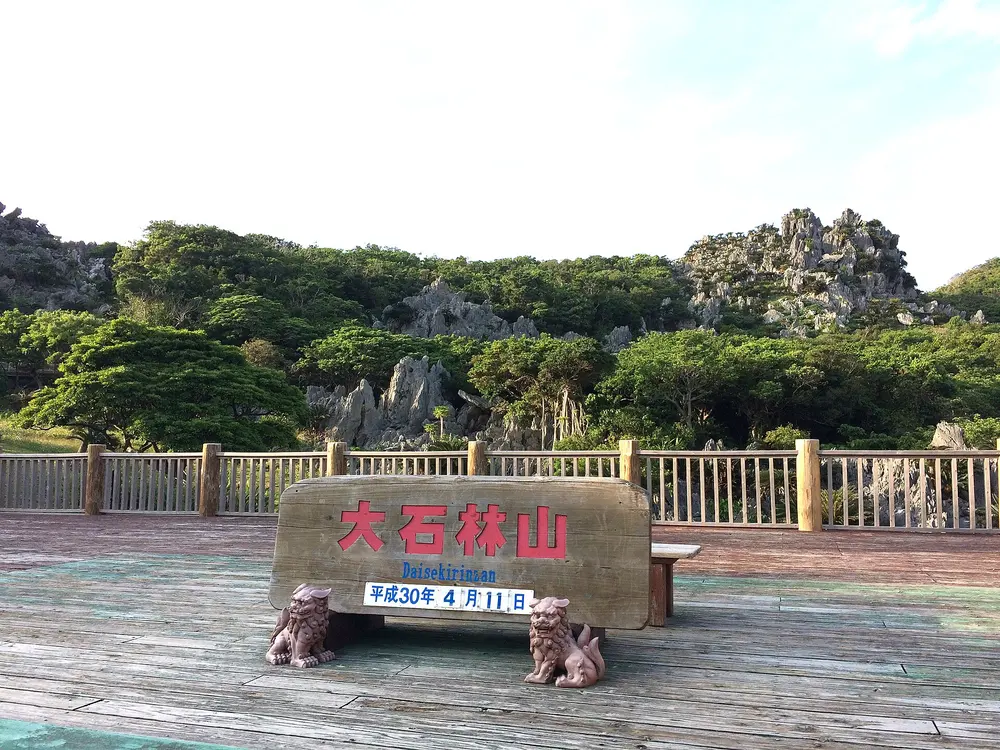
Daisekirinzan (大石林山), near the northern tip, is a private nature park of 250-million-year-old limestone karst weathered into pinnacles and ravines, with several walking courses including a wheelchair-accessible route and views to Yoron and the Amami Islands on clear days. It is linked in local tradition to the creator goddess Amamikiyo.
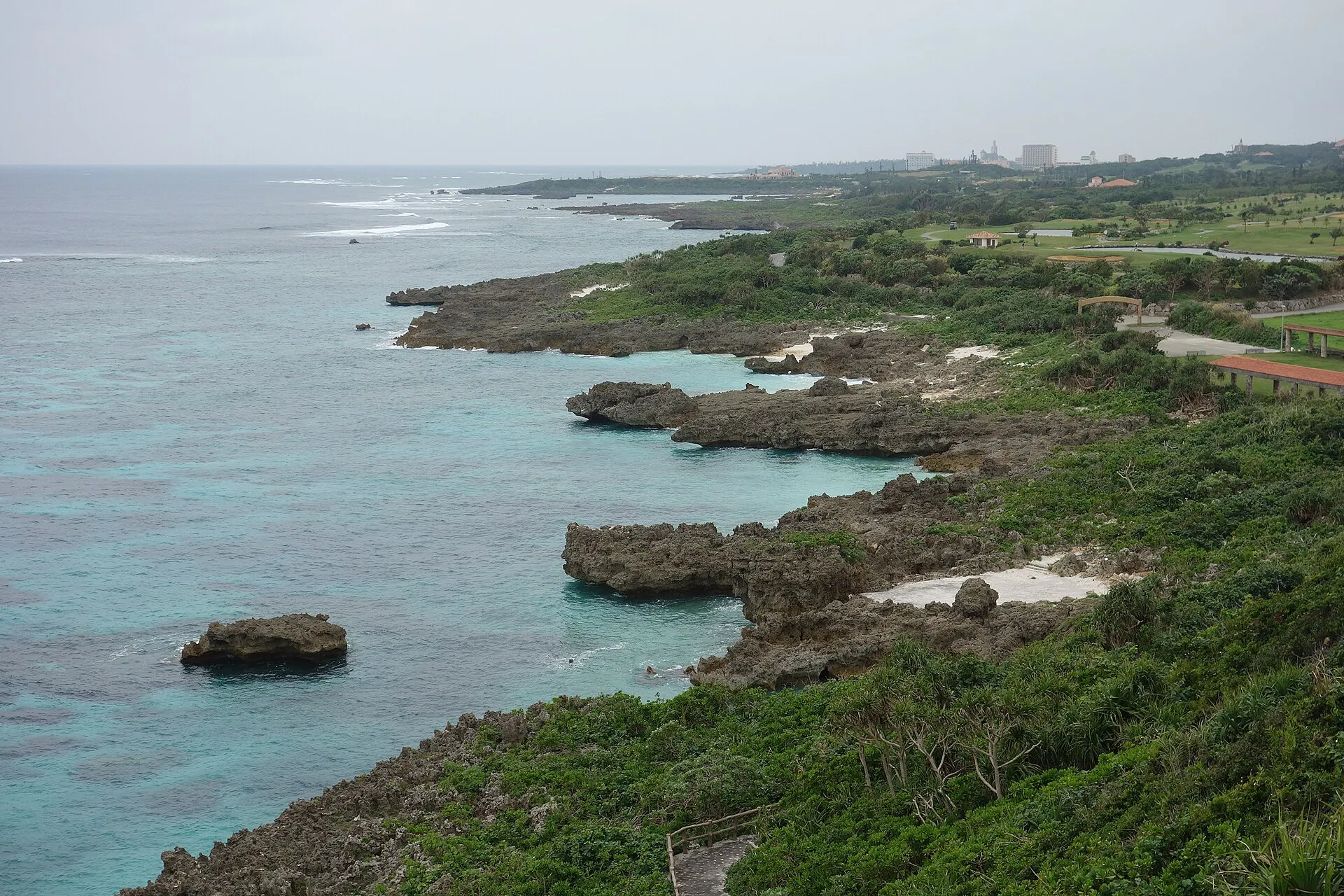
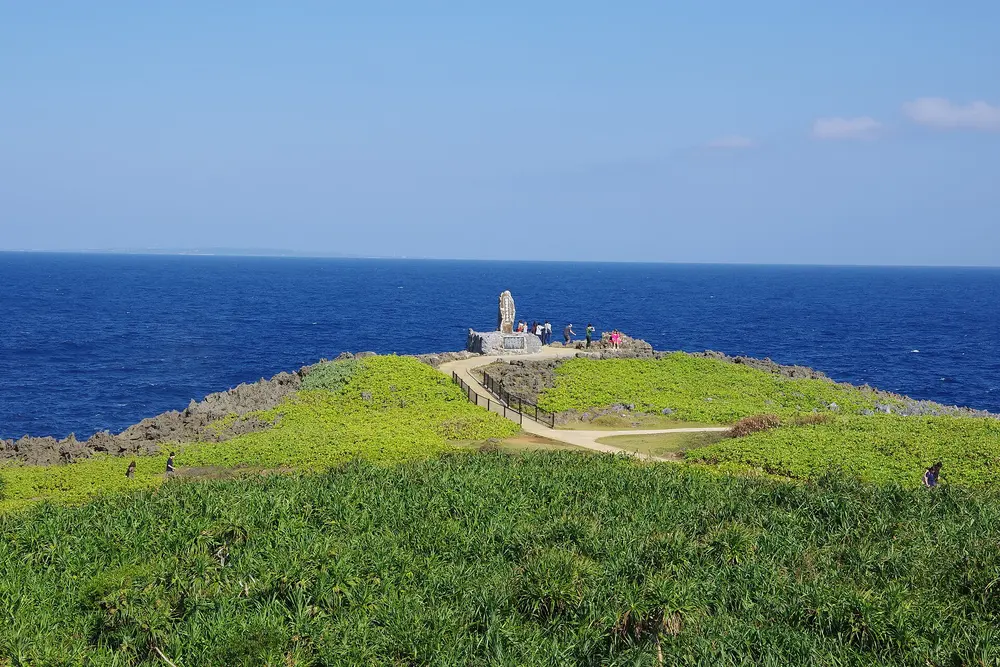
Cape Hedo (辺戸岬), the northernmost point of Okinawa Main Island, has cliffs above coral reef and a monument marking Okinawa's movement for reversion to Japan; on clear days Yoron Island (Kagoshima Prefecture) is visible 22 km to the north. Strong winds and swells are common, so stay back from the cliff edge.
Mangroves, rivers and the east coast
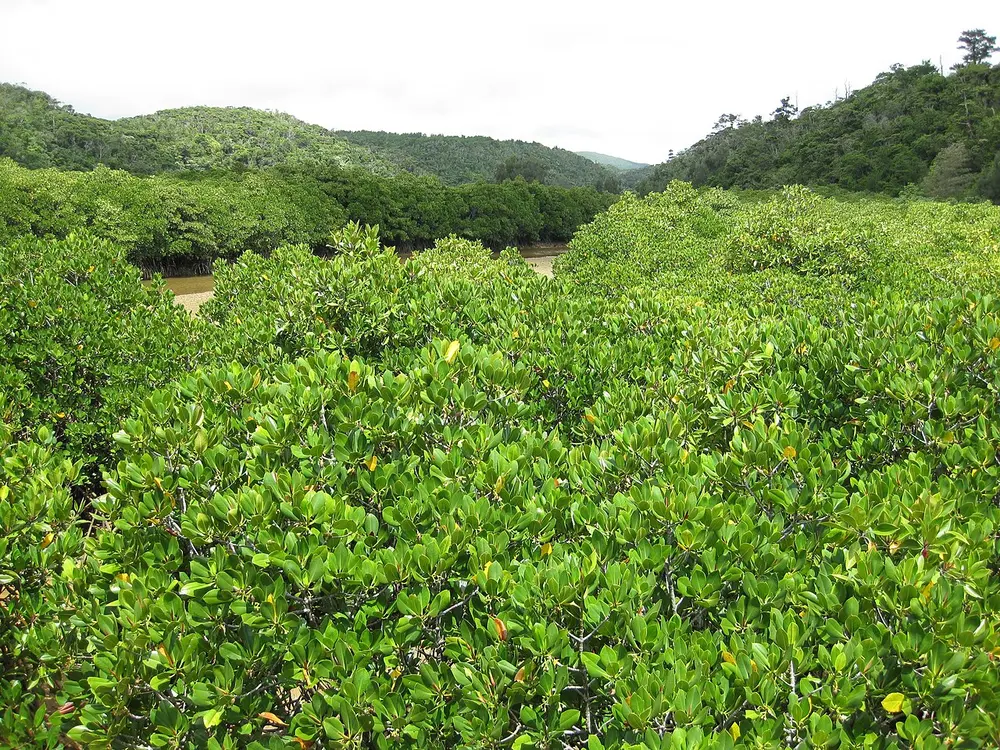
On the Pacific side, the Gesashi Bay mangroves in Higashi village are the largest on Okinawa Main Island, and canoe and kayak tours paddle up the river at high tide. The east coast road (Route 70) is quiet and wild, with the Fukuji Dam and small villages. On the west coast, Ōgimi village is known for the longevity of its residents and for shīkwāsā citrus; the Kijoka district keeps the craft of bashōfu, cloth woven from banana fibre, a designated Important Intangible Cultural Property.
Mangrove and ocean kayak, private tour
A private kayak trip through mangroves and onto the sea, with a native English-speaking guide per the listing title.
Check availabilityBook via GetYourGuideYanbaru private kayak and snorkel
A private kayak and snorkel trip in the north of Okinawa.
Check availabilityBook via GetYourGuideTour listings are on GetYourGuide. Prices, times and cancellation terms are shown live on each listing and can change; Ryukyu.com may earn a commission at no extra cost to you.
Wildlife and driving rules
Roadkill is a major threat to the Okinawa rail, which forages on roadsides, and to other endemic species. Signs mark rail crossing areas; keep to the speed limit, and slow right down at dawn and dusk. Do not feed or approach wildlife, do not release pets, and clean mud from your shoes between sites to avoid spreading seeds. The Ministry of the Environment's Yanbaru park pages list the rules, which also cover drones and protected plants.
Northern Yanbaru still has a US Marine Corps training area (Jungle Warfare Training Center); fenced areas and warning signs must be respected.
A day in Yanbaru
Carry water and insect repellent, and check trail status after heavy rain. Mobile signal is patchy in the mountains, so download offline maps before leaving Nago.
- Morning: drive north from Nago on Route 58; stop at the Ōgimi coast and walk the Hiji Falls trail before the midday heat (allow 1.5–2 hours).
- Lunch: a village restaurant or the roadside station at Kunigami.
- Afternoon: Daisekirinzan's walking courses and Cape Hedo; on clear days look for Yoron on the horizon.
- Late afternoon: return down the quieter east coast (Route 70) via Aha and the Gesashi mangroves, or stay the night in the north for dusk and dawn wildlife.
Villages, food and Okuma
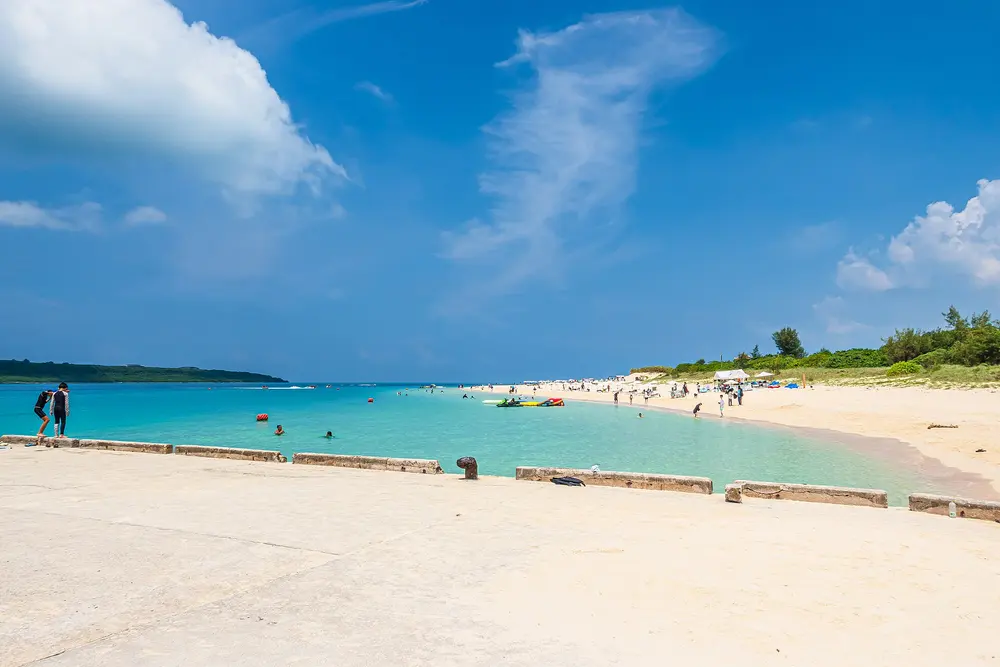
Yanbaru's villages are small and quiet. Ōgimi promotes its shīkwāsā citrus and long-lived residents; Kunigami's roadside station sells local produce and wild-boar dishes; Higashi village on the Pacific coast has the Gesashi mangroves and pineapple fields. Okuma Beach in Kunigami, a long sandy beach backed by a resort, is the north's best-known swimming beach. In January and February the hills around Motobu and Nago further south have early cherry blossom.
Tours into Yanbaru
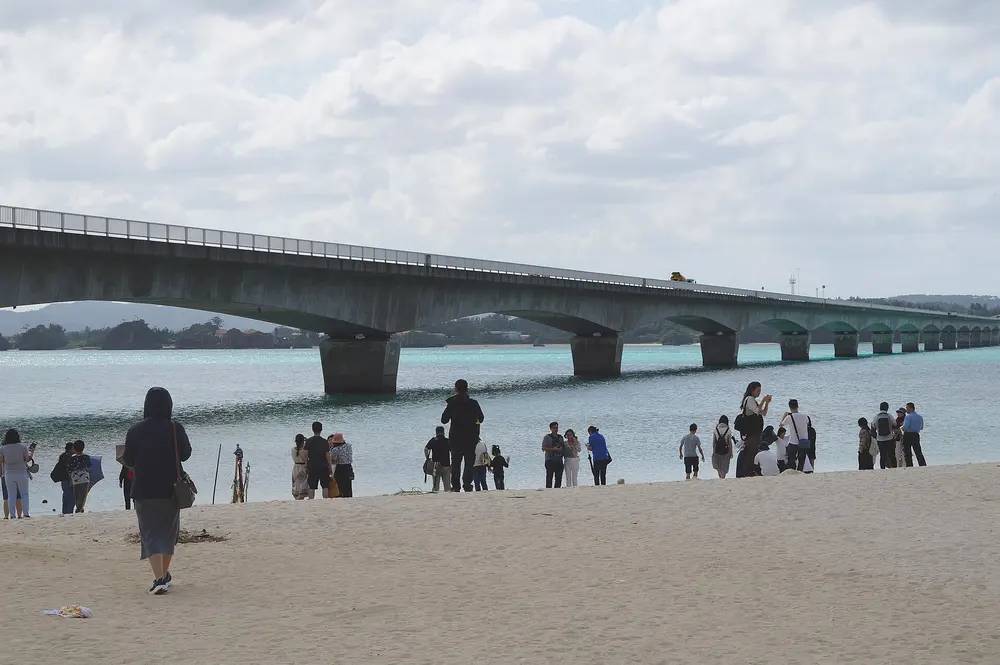
Without a car, a bus tour from Naha combines Yanbaru with Kouri Island; private and small-group tours go further into the forest. Guided night walks look for the forest's frogs and insects.
Okinawa: bus tour to Yanbaru National Park and Kouri Island
Bus tour north to Yanbaru National Park and across the bridge to Kouri Island.
Check availabilityBook via GetYourGuideDiscovering northern Okinawa: private tour from Naha
A private day tour from Naha to the north of the island, with the stops shaped around your interests.
Check availabilityBook via GetYourGuideTour listings are on GetYourGuide. Prices, times and cancellation terms are shown live on each listing and can change; Ryukyu.com may earn a commission at no extra cost to you.
Getting there and where to stay
From Naha, take the expressway to Kyoda and Route 58 north along the coast: about 2.5 hours to Hiji Falls and three to Cape Hedo. Fuel up in Nago; shops and fuel stations are few further north. There is no practical bus network for sightseeing.
Yanbaru has a handful of hotels and resorts (notably at Okuma beach in Kunigami), village guesthouses and campsites. Staying here makes dawn and dusk wildlife watching possible. See where to stay on Okinawa.
Frequently asked questions
Can I see the Okinawa rail?
Sometimes, crossing forest roads at dawn or dusk in Kunigami, and in captivity at the Yanbaru Kuina Ecological Exhibition Facility in Kunigami. Never chase or feed it.
Is Yanbaru a day trip from Naha?
It is possible but long, with five to six hours of driving. One night in the north is much better.
When is the best time to visit?
Autumn to spring for walking; trails are slippery and hot in summer and close in heavy rain or typhoons.
Sources and official information
Facts were checked against these official sources in November 2026. Opening hours, prices and timetables change, so confirm before you go.
Ryukyu.com is an independent guide, not the official site of any tourism board, government, airline, port or ferry operator. Some links are affiliate links: tours go to GetYourGuide and stays go to Booking.com, and we may earn a commission at no extra cost to you.