- Region
- Amami Islands, Kagoshima Prefecture, Japan
- How long
- 3–6 nights
- Prefecture
- Kagoshima (not Okinawa)
- Inhabited islands
- Amami-Oshima, Kakeroma, Uke, Yoro, Kikai, Tokunoshima, Okinoerabu, Yoron
- Airport
- Amami (ASJ) on Amami-Oshima; airports also on Kikai, Tokunoshima, Okinoerabu and Yoron
- Protected
- Amami Guntō National Park (2017); World Heritage with northern Okinawa and Iriomote (2021)
In short
- Why go: subtropical forest with animals found nowhere else (the Amami rabbit above all), Japan's second-largest mangrove forest, quiet beaches, and a distinct culture of shima-uta songs, Ōshima tsumugi silk and kokutō (brown-sugar) shochu.
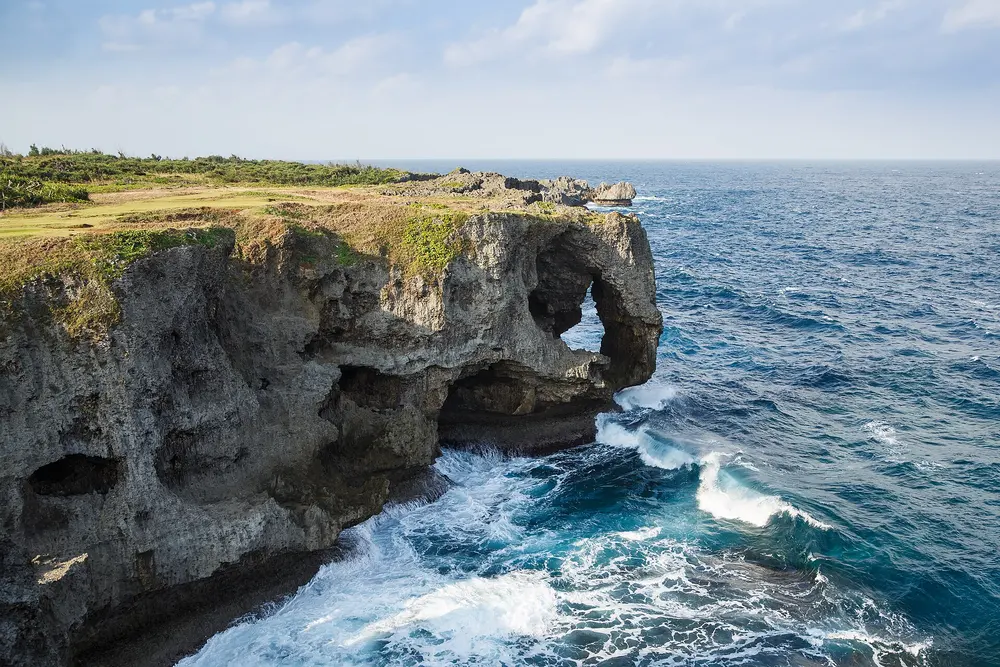
- The islands: big, green Amami-Oshima; Kakeroma across the Ōshima Strait; flat coral Kikai; Tokunoshima of the bullfights; cave-riddled Okinoerabu; and tiny Yoron with its sandbar.
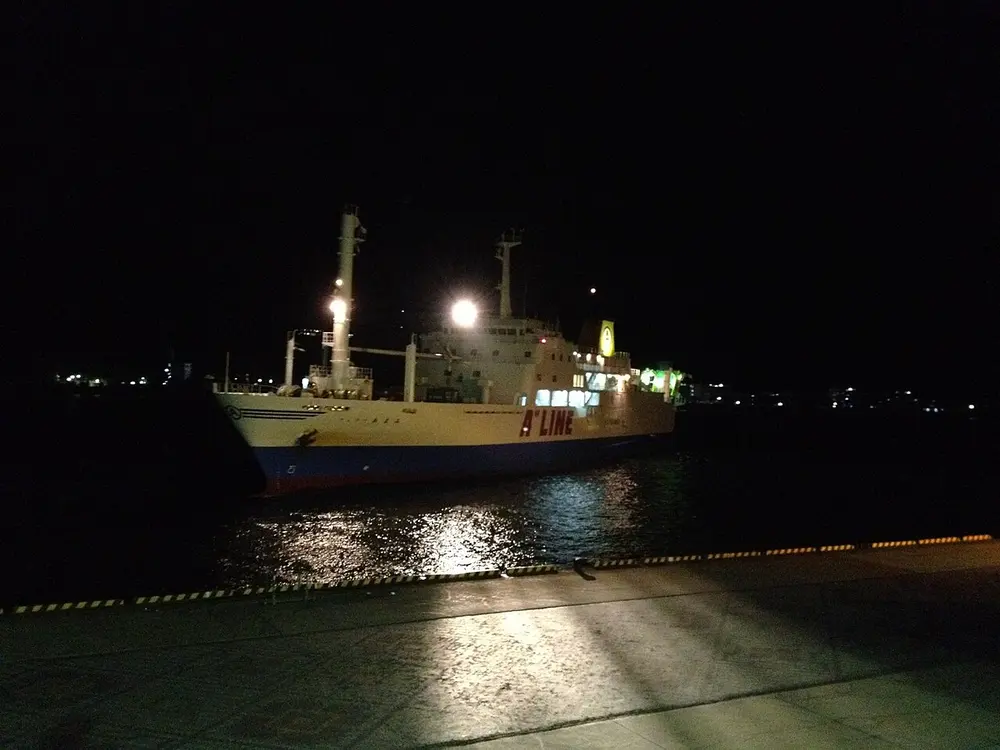
- Getting there: flights from Tokyo Haneda, Osaka Itami, Fukuoka, Kagoshima and Naha (as checked November 2026); the overnight ferry from Kagoshima, which continues to Okinawa.
- GetYourGuide: a small selection, mostly private island tours and shore excursions on Amami-Oshima, plus one caving tour on Okinoerabu; most nature tours are booked with local certified guides.
- How long: three or four nights on Amami-Oshima; add Kakeroma, or ferry south to Okinawa via the other islands.
Where and what the Amami Islands are
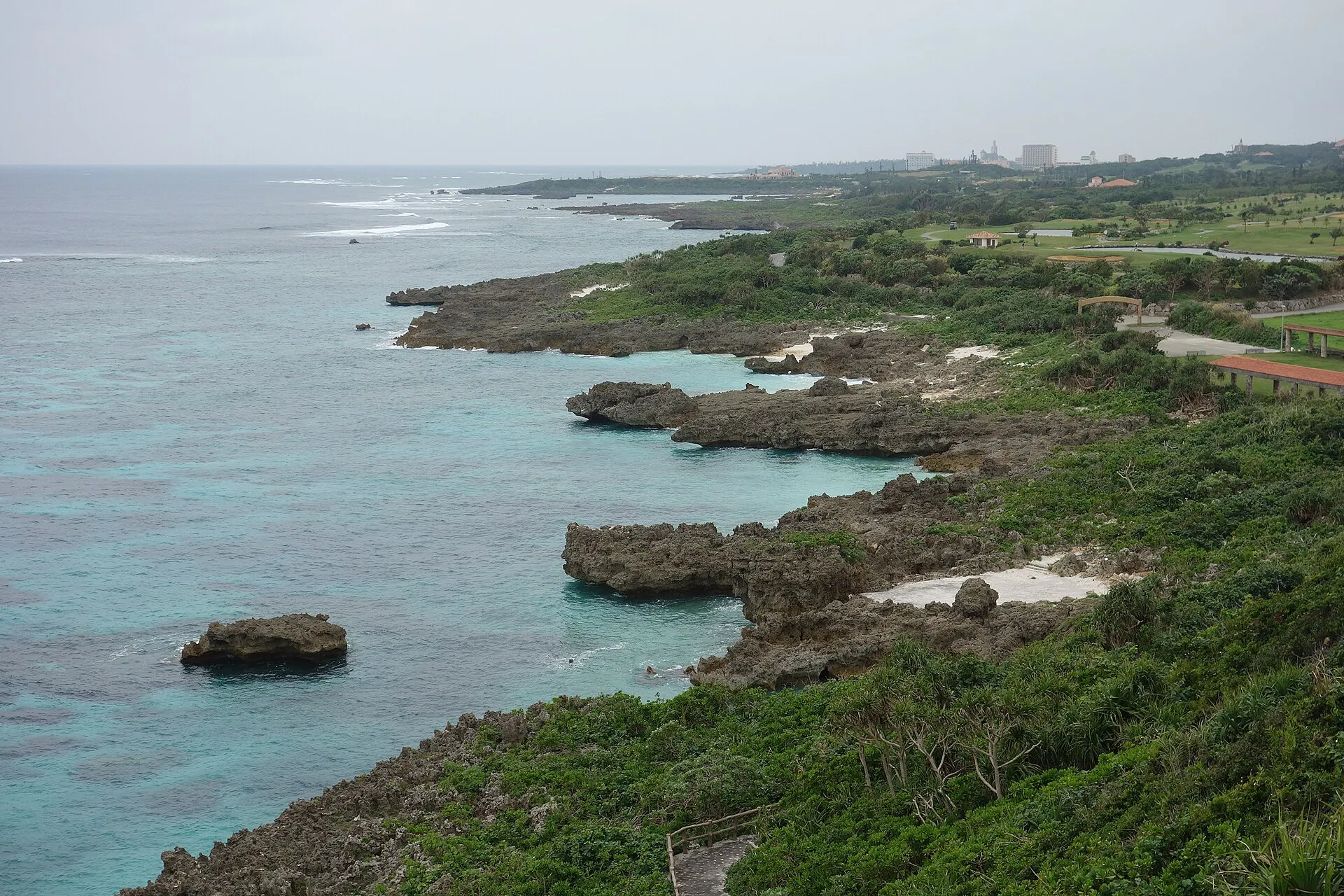
The Amami Islands (奄美群島, Amami guntō) lie between Kyushu and Okinawa, about 380 km south-south-west of Kagoshima. They belong to Kagoshima Prefecture, but geographically and culturally they are part of the Ryukyu arc: the southernmost, Yoron, is only about 22 km from Okinawa's Cape Hedo. Eight islands are inhabited, with roughly 100,000 people in total; the largest town is Naze, part of Amami City, on Amami-Oshima.
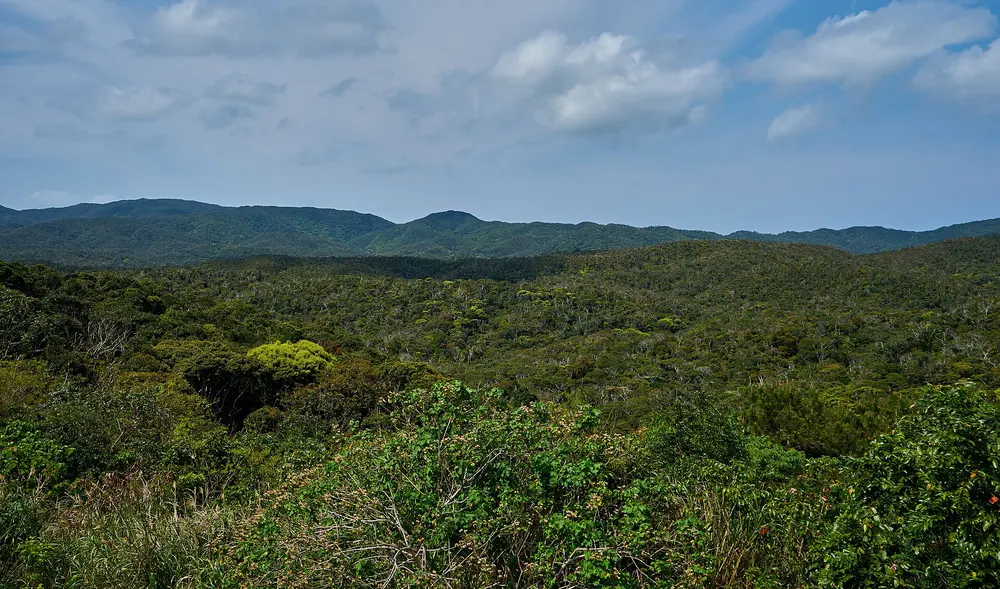
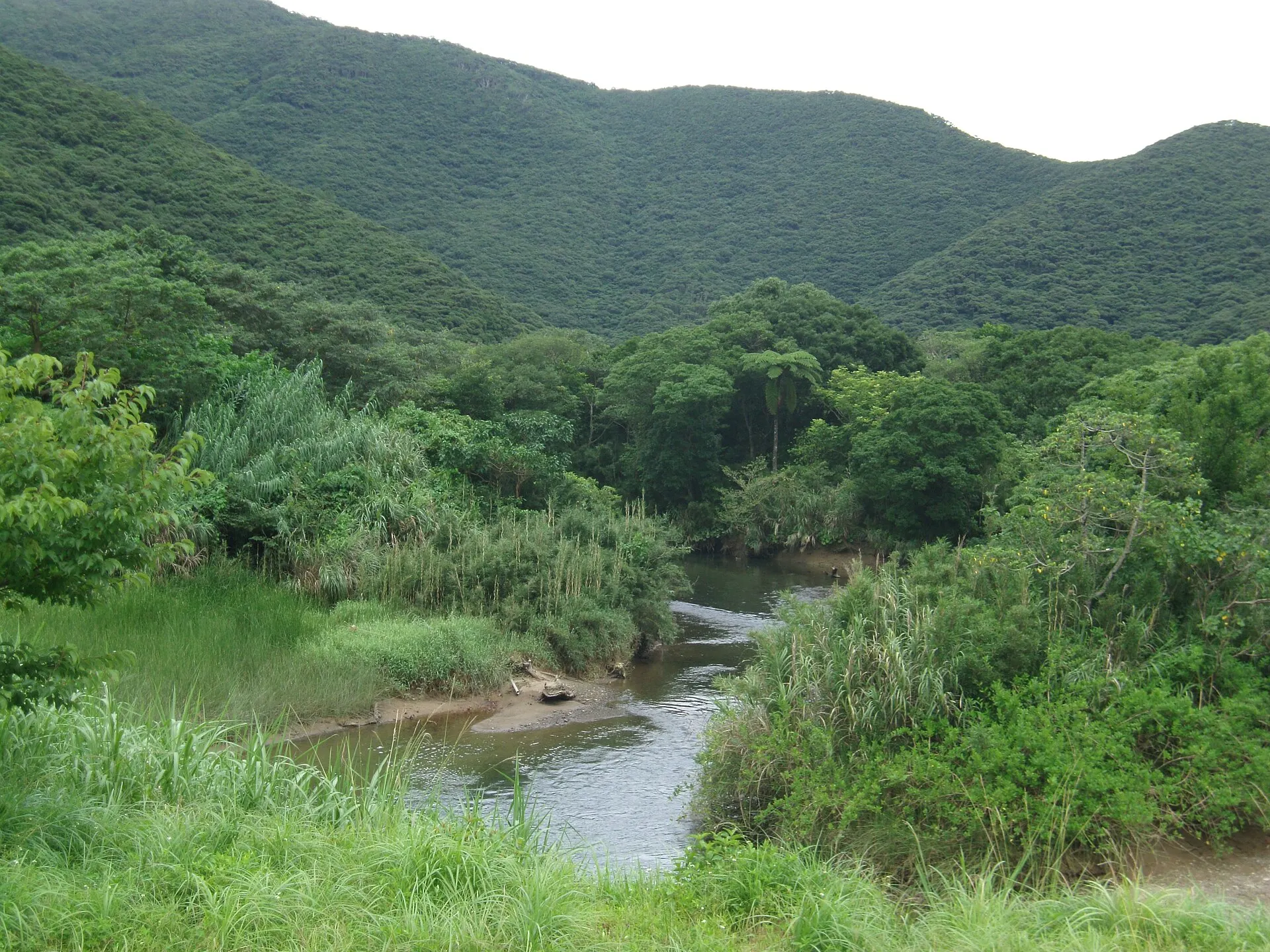
Amami-Oshima (奄美大島), about 712 km², is mountainous and covered in subtropical evergreen forest, with a heavily indented coast of bays, beaches and mangroves. On 7 March 2017 the forests and coasts of the islands became Amami Guntō National Park, and on 26 July 2021 Amami-Oshima and Tokunoshima were inscribed with northern Okinawa and Iriomote as the natural World Heritage site 'Amami-Oshima Island, Tokunoshima Island, Northern part of Okinawa Island, and Iriomote Island'. See world heritage.
Book tours in Amami IslandsLive times, prices and free cancellation terms on GetYourGuide.
Check availabilityA different history
The Amami Islands were brought under the Ryukyu Kingdom in the 15th and 16th centuries. After Satsuma's invasion of Ryukyu in 1609 they were separated from the kingdom and ruled directly by Satsuma, which forced the islanders to grow sugar cane under a harsh monopoly; that history explains the islands' brown-sugar culture. The samurai leader Saigō Takamori lived in exile on Amami-Oshima from 1859 to 1862, and his house in Tatsugō survives.
After 1945 the islands were placed under US administration with Okinawa, and they were returned to Japan on 25 December 1953, nearly two decades before Okinawa, after a reversion movement with hunger strikes and mass petitions. The painter Tanaka Isson spent his last years on Amami-Oshima painting its plants and birds; his memorial museum is in Amami Park near the airport. The history page puts this in the wider Ryukyu story.
The islands one by one
- Amami-Oshima — the main island and the gateway: the forests of Kinsakubaru and Mount Yuwan (694 m, the islands' highest peak), the Sumiyō mangroves, beaches on the Kasari Peninsula and the Ayamaru Cape, Naze's market streets, and Setouchi town in the south.
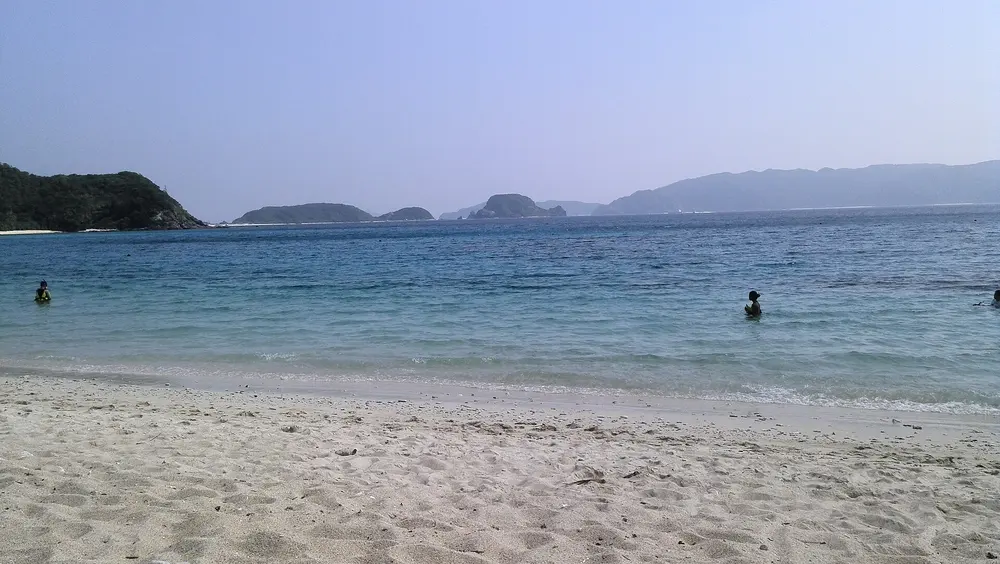
- Kakeroma (加計呂麻島) — across the narrow Ōshima Strait from Koniya, 20–25 minutes by the Setouchi town ferry: tiny villages, Fukugi trees and some of the clearest water in the islands.
- Kikai (喜界島) — a low island of raised coral limestone east of Amami-Oshima, still rising, with sugar cane, butterflies and sesame fields.
- Tokunoshima (徳之島) — the second World Heritage island, with its own Amami rabbits, togyū bullfighting (bull against bull) and the rock arches of Inutabu.
- Okinoerabu (沖永良部島) — limestone and caves, including Shōryūdō, and lily fields in spring.
- Yoron (与論島) — a small coral island with the Yurigahama sandbar that appears offshore at low tide.
Nature and wildlife
The headline animal is the Amami rabbit (Amami no kurousagi), a dark, short-eared 'living fossil' found only on Amami-Oshima and Tokunoshima, and a Special Natural Monument of Japan. Night drives on forest roads with a certified guide are the respectful way to see it, along with the Ryukyu scops owl, the Amami woodcock and frogs. The Lidth's jay (rurikakesu), a blue-and-chestnut crow found only in the Amami Islands, is the prefectural bird of Kagoshima.
Entry to the Kinsakubaru primeval forest is allowed only with a certified eco-tour guide, with reservations, group and vehicle limits (Kagoshima Prefecture, page updated April 2026). The Amami Wildlife Conservation Center of the Ministry of the Environment, in Yamato village, explains the islands' wildlife and conservation, including the mongoose eradication programme that has helped the rabbit recover.
Amami-Oshima private custom tour with a local guide
A private tour of Amami-Oshima with a local guide, planned around what you want to see.
Check availabilityBook via GetYourGuidePrivate shore excursion: Amami waterfalls
A private shore excursion to waterfalls on Amami-Oshima.
Check availabilityBook via GetYourGuideTour listings are on GetYourGuide. Prices, times and cancellation terms are shown live on each listing and can change; Ryukyu.com may earn a commission at no extra cost to you.
Culture: songs, silk and shochu
Shima-uta, the Amami island songs, are sung in a high falsetto to the sanshin and drum, and differ from Okinawan folk song; singers such as Hajime Chitose and Kōsuke Atari, both from Amami-Oshima, took the style to national audiences. See music. Ōshima tsumugi is a hand-woven silk dyed with local tree bark and the iron-rich mud of the island's paddies; weaving studios and the Tsumugi no Sato park show the process. Kokutō shochu, distilled from brown sugar and rice koji, may be produced only in the Amami Islands under Japan's tax rules, and there are distilleries on most islands. Keihan, rice topped with shredded chicken, egg and broth, is the signature dish. See food.
Amami-Oshima brown-sugar shochu tasting
Taste kokutō (brown-sugar) shochu at a bar with around 200 varieties on Amami-Oshima.
Check availabilityBook via GetYourGuidePrivate shore excursion: Amami-Oshima tsumugi
A private shore excursion on Amami-Oshima focused on Ōshima tsumugi silk.
Check availabilityBook via GetYourGuideTour listings are on GetYourGuide. Prices, times and cancellation terms are shown live on each listing and can change; Ryukyu.com may earn a commission at no extra cost to you.
When to go
Amami is a little cooler and wetter than Okinawa. The rainy season usually runs from about mid-May to late June, and typhoons are possible from about July to October. April–May and October–November are pleasant for hiking; July to September is beach season. The rabbits and frogs are active year-round, but winter nights are cooler and quieter. Ferries and flights are affected by typhoons and winter storms, so leave slack in your plans. See best time to visit.
Getting there and around
Amami Airport has flights from Tokyo Haneda, Osaka Itami, Fukuoka, Kagoshima and Naha, and JAL group's Japan Air Commuter flies on to Kikai, Tokunoshima and Yoron; Skymark also flies Kagoshima–Amami (as checked November 2026). By sea, the Marix Line and A-Line ferries sail overnight from Kagoshima to Naze and continue south through Tokunoshima, Okinoerabu and Yoron to Motobu and Naha. On Amami-Oshima, a rental car is almost essential: the island is long and buses are infrequent. Full details: getting there.
Tours: what exists and what doesn't
GetYourGuide's choice in the Amami Islands is small, as checked November 2026: private and custom island tours and shore excursions on Amami-Oshima (nature, waterfalls, tsumugi, coasts), a three-day cycling and paddling adventure, a brown-sugar shochu tasting at a bar with some 200 varieties (per listing title), and a caving tour on Okinoerabu. Night wildlife tours, Kinsakubaru forest walks and mangrove canoeing are mostly booked directly with certified local guides and operators listed by the island tourism associations. The tours page lists what is bookable.
Amami-Oshima 3-day adventure: cycling and paddling
A three-day active trip on Amami-Oshima combining cycling and paddling.
Check availabilityBook via GetYourGuideOkinoerabu caving tour
An adventure caving tour in the limestone caves of Okinoerabu Island.
Check availabilityBook via GetYourGuideTour listings are on GetYourGuide. Prices, times and cancellation terms are shown live on each listing and can change; Ryukyu.com may earn a commission at no extra cost to you.
Where to stay
On Amami-Oshima, Naze has business hotels, guesthouses and restaurants; the Kasari Peninsula near the airport has beach hotels and holiday houses; Setouchi (Koniya) is the base for Kakeroma. See where to stay.
Plan your visit to Amami Islands
- Things to doKinsakubaru forest, the Sumiyō mangroves, tsumugi weavers and the Tanaka Isson museum…
- Beaches & divingThe best beaches of Amami-Oshima and the southern islands, where to snorkel, what…
- ToursAll eight Amami tours on GetYourGuide, from private island tours to shochu and…
- Getting thereFlights to Amami by carrier, the Marix Line and A-Line ferries from Kagoshima on to…
- Where to stayWhere to base yourself on Amami-Oshima, with Booking.com picks in Naze, on the Kasari…
Frequently asked questions
Are the Amami Islands part of Okinawa?
No. They are in Kagoshima Prefecture, though historically and culturally they belong to the Ryukyu arc and the ferries continue to Okinawa.
Can I see an Amami rabbit?
Often, on a night tour with a certified guide on Amami-Oshima's forest roads. Drive slowly at night: roadkill is a threat to the rabbit.
Do I need a car on Amami-Oshima?
Practically yes. Buses exist but are infrequent, and the sights are spread over a large, mountainous island.
Can I travel from Amami to Okinawa by ferry?
Yes. The Kagoshima–Naha ferries call at Naze and continue via Tokunoshima, Okinoerabu, Yoron and Motobu to Naha; Naze to Naha takes about 13 hours.
Sources and official information
Facts were checked against these official sources in November 2026. Opening hours, prices and timetables change, so confirm before you go.
- env.go.jp
- whc.unesco.org
- pref.kagoshima.jp
- pref.kagoshima.jp
- ekitan.com
- travel.willer.co.jp
- amami-tourism.org
- city.amami.lg.jp
Ryukyu.com is an independent guide, not the official site of any tourism board, government, airline, port or ferry operator. Some links are affiliate links: tours go to GetYourGuide and stays go to Booking.com, and we may earn a commission at no extra cost to you.