In short
- Money: cards and QR payments work in Naha and resorts; carry cash for markets, small islands, some ferries and rural soba shops. 7-Eleven and Japan Post ATMs take foreign cards.
- Transport cards: Yui Rail accepts OKICA, Suica and the other national IC cards, plus contactless credit cards; main-island buses take OKICA and cash (national IC cards are not confirmed on buses).
- Tax-free shopping changed on 1 November 2026: you now pay tax at the till and get it refunded after customs checks at departure, within 90 days.
- Safety: habu snakes in the grass at night, box jellyfish from June to September, strong reef currents and typhoons from July to October.
- Etiquette: take nothing from utaki and beaches, respect closures, do not fly drones near bases, and remember that Japan does not tip.
Money: cash, cards and QR codes
In Naha, Chatan and the resort areas, credit cards (Visa, Mastercard, JCB, American Express) are accepted by hotels, most restaurants, supermarkets and convenience stores, and Japanese QR payments (PayPay and others) are everywhere. Many shops that accept PayPay can also take some overseas e-wallets such as Alipay or KakaoPay; look for the logos at the till.
Cash is still essential in places: Makishi market stalls, small soba shops, taxis on the outer islands, some ferry ticket windows (the Kudaka ferry is cash only), village shops and the voluntary entry contribution on Taketomi. Carry ¥10,000–20,000 in cash outside Naha, more on the small islands, where ATMs are few.
ATMs: 7-Eleven (Seven Bank) ATMs, which have been in Okinawa since 2019, and Japan Post Bank ATMs at post offices accept most foreign cards, as do many FamilyMart and Lawson ATMs. Post office ATMs keep shorter hours, especially on small islands.
Transport cards: OKICA, Suica and touch payment
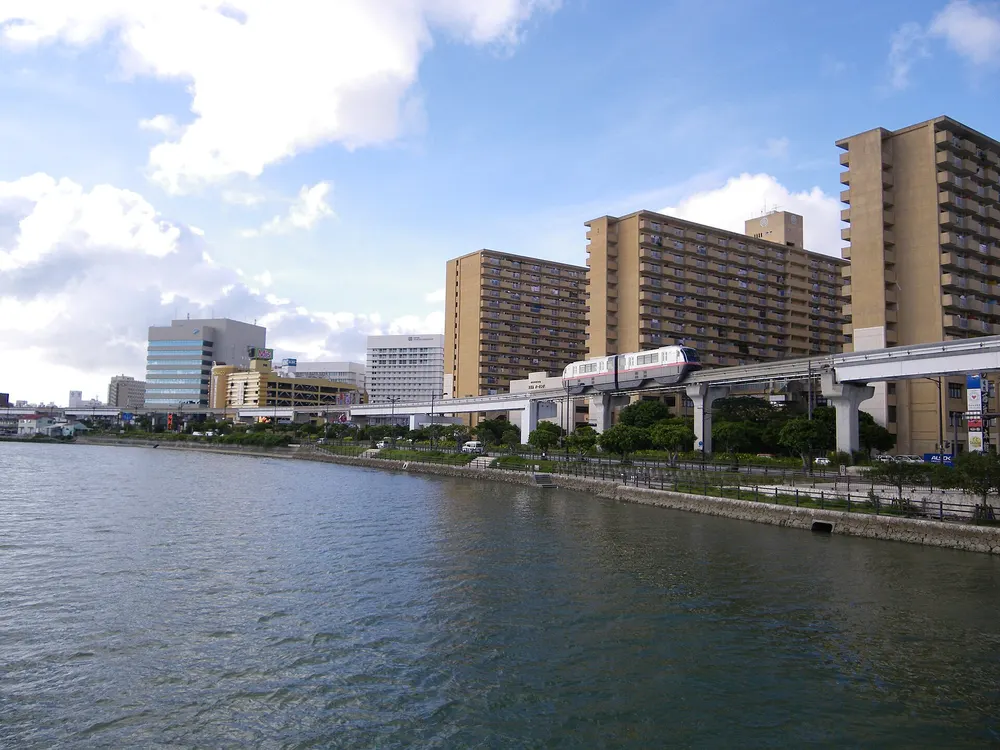
On Okinawa Main Island, the local IC card is OKICA, sold at Yui Rail stations and used on the monorail and the main-island route buses (Ryukyu Bus Kotsu, Okinawa Bus, Naha Bus, Tōyō Bus). The Yui Rail monorail also accepts Suica and the other nationally interoperable IC cards (PASMO, ICOCA and so on, including mobile Suica), though it does not sell or refund Suica; and since 28 March 2025 all 19 stations accept contactless credit cards at the gates.
On the route buses, carry OKICA or cash: acceptance of the national IC cards on main-island buses was not confirmed when checked in November 2026. The airport limousine buses need a ticket bought before boarding. Details, passes and fares are on the getting around Okinawa page. On Miyako, Ishigaki and the other islands, buses take cash and, increasingly, cards; check locally.
Okinawa monorail one-day ticket
A one-day ticket for the Yui Rail monorail in Naha.
Check availabilityBook via GetYourGuideTour listings are on GetYourGuide. Prices, times and cancellation terms are shown live on each listing and can change; Ryukyu.com may earn a commission at no extra cost to you.
Mobile data: SIM, eSIM and Wi-Fi
The simplest option is a travel eSIM bought online before you leave, activated on landing; many plans use the networks of NTT docomo, au (KDDI) or SoftBank, which cover the inhabited islands well, though signal can be weak in Yanbaru's valleys, on Iriomote's rivers and at sea. Physical SIM cards and pocket Wi-Fi routers can be rented at Naha Airport and online for airport pick-up. Free Wi-Fi is available at the airports, the Yui Rail stations, most hotels and many cafés.
Download offline maps and your ferry and flight confirmations before heading to the small islands. Useful apps: a navigation app, the official Visit Japan Web QR codes for arrival, a weather app with typhoon alerts, and JNTO's Safety tips app for earthquake, tsunami and weather warnings in English and other languages.
Tax-free shopping: the new refund system (from 1 November 2026)
Japan changed its tax-free system for foreign visitors on 1 November 2026. Instead of having the 10% (or 8% on food) consumption tax deducted at the till, you now pay the full price in a participating tax-free shop, showing your passport, and the purchase is recorded electronically. When you leave Japan, customs confirm at a kiosk at the airport or port that you are taking the goods out, and the shop refunds the tax by the method you agreed (for example to your card).
Key points from the Japan Tourism Agency's guidance: you must complete the customs confirmation within 90 days of purchase; goods consumed in Japan (food, drink, cosmetics you used) are not refundable; the separate rules for consumables (special sealed bags, the ¥500,000 cap) have been abolished. Keep purchases unopened and accessible in case customs ask to see them. If you leave Japan from Naha, allow extra time for the check.
Safety on land: habu snakes, heat and typhoons
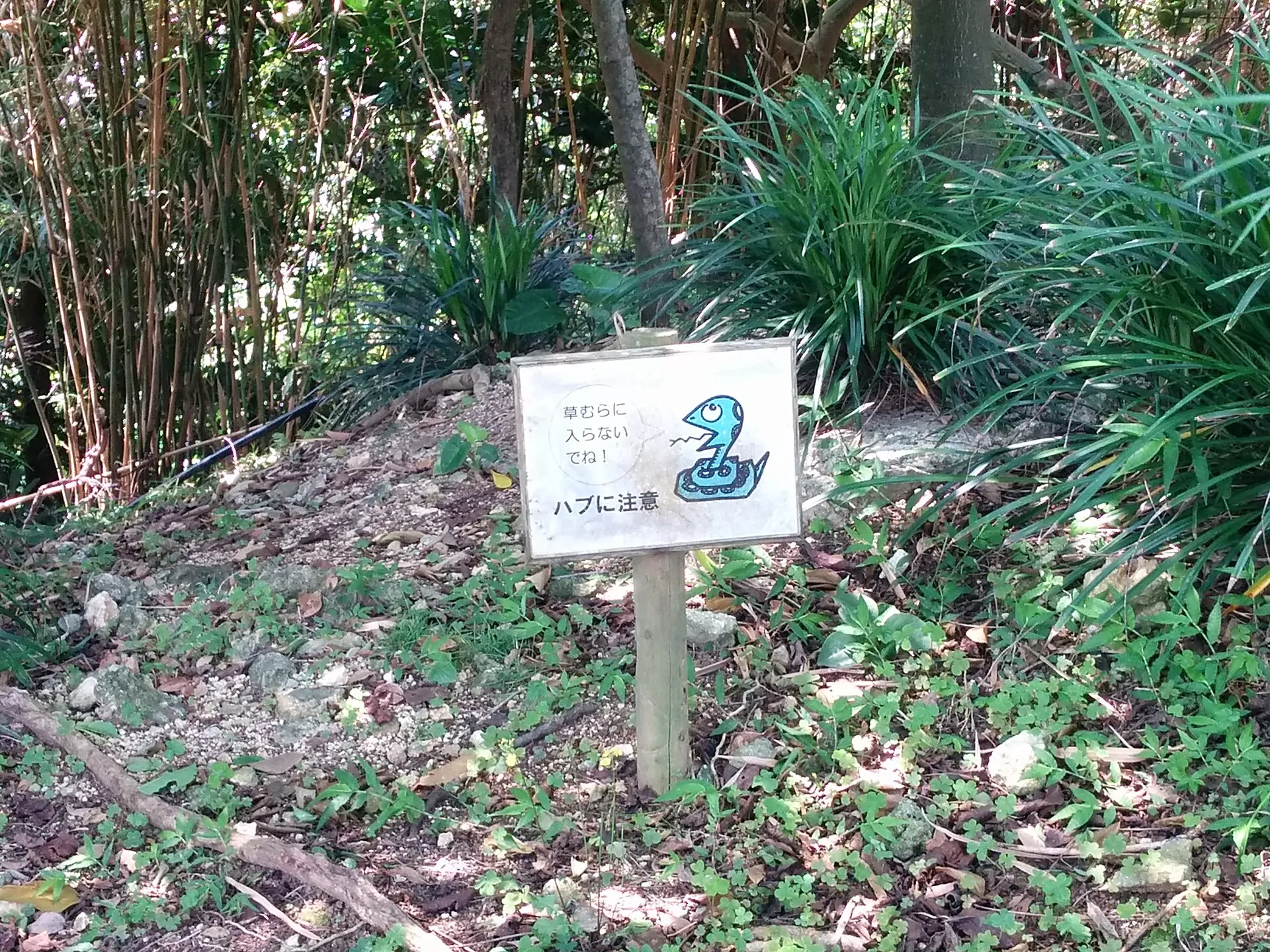
The habu is a venomous pit viper found on Okinawa Main Island and several of the Amami Islands; a smaller relative, the Sakishima habu, lives on Ishigaki and Iriomote. The Miyako Islands have no habu. Bites are rare and antivenom is available, but take care: habu are mainly active at night and in warm months, and hide in long grass, stone walls, sugar-cane fields and caves. Stay on paths, use a torch after dark, do not reach into walls or holes, and wear closed shoes in the forest. If bitten, keep calm, keep still and call 119.
Heat and sun: from May to October the combination of heat, humidity and strong UV causes heatstroke and sunburn. Drink often, use a hat and sun protection, and plan outdoor activity for morning and late afternoon.
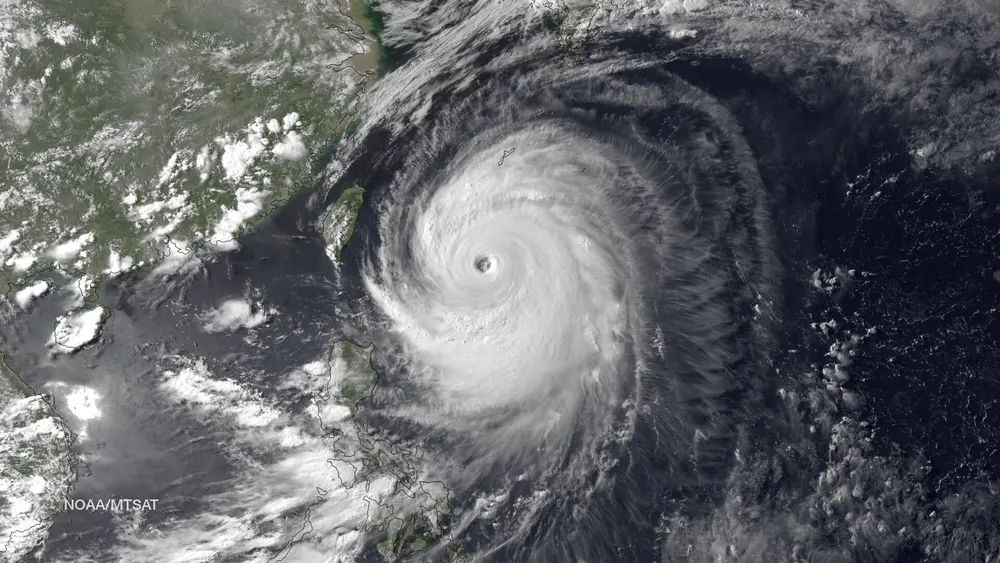
Typhoons: the season peaks from July to October. A typhoon can stop flights and ferries for one to three days; supermarkets empty, and staying indoors is mandatory while it passes. Keep spare days at the end of island trips and buy flexible tickets. See the typhoons page.
Safety in the sea
Most serious accidents involving visitors happen in the water. The essentials are on the beaches and diving and snorkelling pages: swim at managed beaches; do not snorkel near reef gaps or alone; wear a rash guard and swim inside nets during Okinawa Prefecture's habu-kurage (box jellyfish) advisory period, June to 30 September; pour vinegar on a box-jellyfish sting and get help; and do not touch cone shells, lionfish, sea snakes or stonefish.
Emergency numbers: 110 police, 119 fire and ambulance, 118 Japan Coast Guard for emergencies at sea. JNTO's Japan Visitor Hotline (050-3816-2787) answers in English, Chinese and Korean 24 hours a day.
Rules on the outer islands
Several small islands have introduced visitor contributions or rules to manage tourism. On Taketomi, visitors are asked for a ¥300 voluntary contribution to the island's preservation, paid at machines at the port; a separate Taketomi visitor tax (¥1,000) was approved by the town in June 2025 but was not being collected as of November 2026. On Iriomote, five restricted areas have required prior approval and daily caps since 1 March 2025, and many rivers and trails require a licensed guide. The Kerama villages add a ¥100 tax to ferry tickets. See the Iriomote & Taketomi guide.
Etiquette: utaki, memorials, beaches and bases
- Sacred places (utaki): stay on paths, do not cross ropes or step into stone incense places, take nothing, keep quiet; some sites close on ritual days. See culture.
- War memorials and caves: the Peace Memorial Park, Himeyuri and the gama caves are places of mourning. Dress modestly, keep voices low, and do not enter caves except with a guide where permitted.
- Beaches: do not take coral, shells, star sand or sea creatures; take your rubbish home; topless and nude bathing are not acceptable.
- US bases: bases are off-limits without a sponsor, except on announced public festival days. Do not fly drones near them: Japanese law prohibits drone flights over and around designated defence facilities, including US bases. Photographing from public roads is common, for example from the Kadena roadside station observation deck, but do not photograph at the gates.
- Politics: you will see protests and banners about the bases, especially at Henoko. Be respectful and do not enter construction or protest areas.
- General Japan etiquette applies: no tipping, shoes off where you see a step up or a shoe rack, quiet on buses and the monorail, and rubbish separated by type.
Other practicalities
| Topic | What to know |
|---|---|
| Electricity | 100 V, Type A two-flat-pin plugs (same as Japan) |
| Time | Japan Standard Time (UTC+9), no daylight saving |
| Driving | On the left. International Driving Permit (1949 Geneva Convention) or an approved Japanese translation for some licences; zero tolerance for drink-driving. See car rental. |
| Water | Tap water is safe to drink |
| Medical | Hospitals are good but expensive for visitors without insurance; take travel insurance |
| Accommodation tax | From 1 February 2027: 2% of the room charge, max ¥2,000 per person per night (see where to stay) |
| Departure tax | ¥3,000 per departure from Japan since 1 July 2026, included in tickets |
Frequently asked questions
Can I use Suica in Okinawa?
On the Yui Rail monorail, yes (and contactless credit cards too). On main-island buses, use OKICA or cash; national IC cards were not confirmed for buses in November 2026.
Do I need cash in Okinawa?
Yes, some: markets, small restaurants, rural taxis, some ferries and the small islands often take cash only.
How does tax-free shopping work now?
Since 1 November 2026 you pay the full price, and the tax is refunded after customs confirm at your departure from Japan, within 90 days of purchase.
Are there dangerous snakes in Okinawa?
The habu, a venomous pit viper, lives on Okinawa Main Island and in the Amami Islands, and a smaller relative on Ishigaki and Iriomote. Bites are rare; stay on paths and use a torch at night.
Can I fly a drone in Okinawa?
Only where Japanese drone rules allow it. Flights over and around US and Self-Defense Force bases are prohibited, as are flights over crowds and in many parks.
Sources and official information
Facts were checked against these official sources in November 2026. Opening hours, prices and timetables change, so confirm before you go.
- yui-rail.co.jp
- okica.jp
- mlit.go.jp
- nippon.com
- pref.okinawa.jp
- japan.travel
- kaiho.mlit.go.jp
- npa.go.jp
- sevenbank.co.jp
- taketomijima.okinawa
- painusima.com
- town.taketomi.lg.jp
Ryukyu.com is an independent guide, not the official site of any tourism board, government, airline, port or ferry operator. Some links are affiliate links: tours go to GetYourGuide and stays go to Booking.com, and we may earn a commission at no extra cost to you.