In short
- Typhoon season peaks July–September. JMA's 1991–2020 normals give 7.7 typhoon approaches a year to the Okinawa region: 0.4 in May, 0.6 in June, 1.5 in July, 2.2 in August, 1.9 in September, 1.1 in October and 0.3 in November.
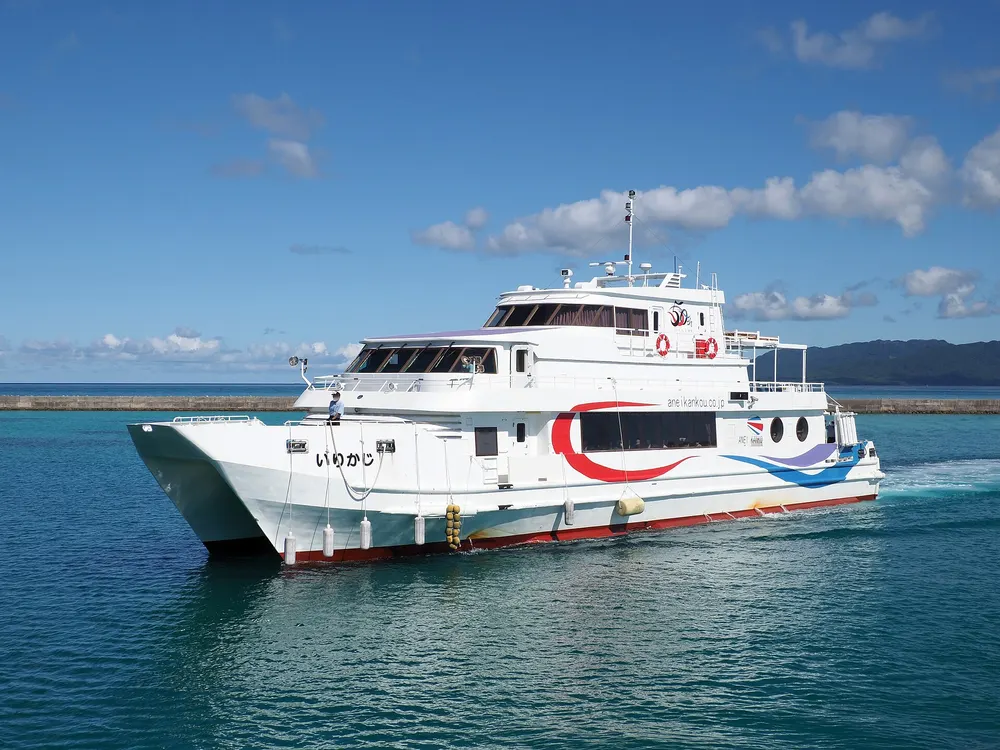
- Ferries stop first. High-speed boats to Kerama and the Yaeyama islands are usually cancelled a day or more before a typhoon arrives and may not restart until the swell has dropped, a day or more after it passes.
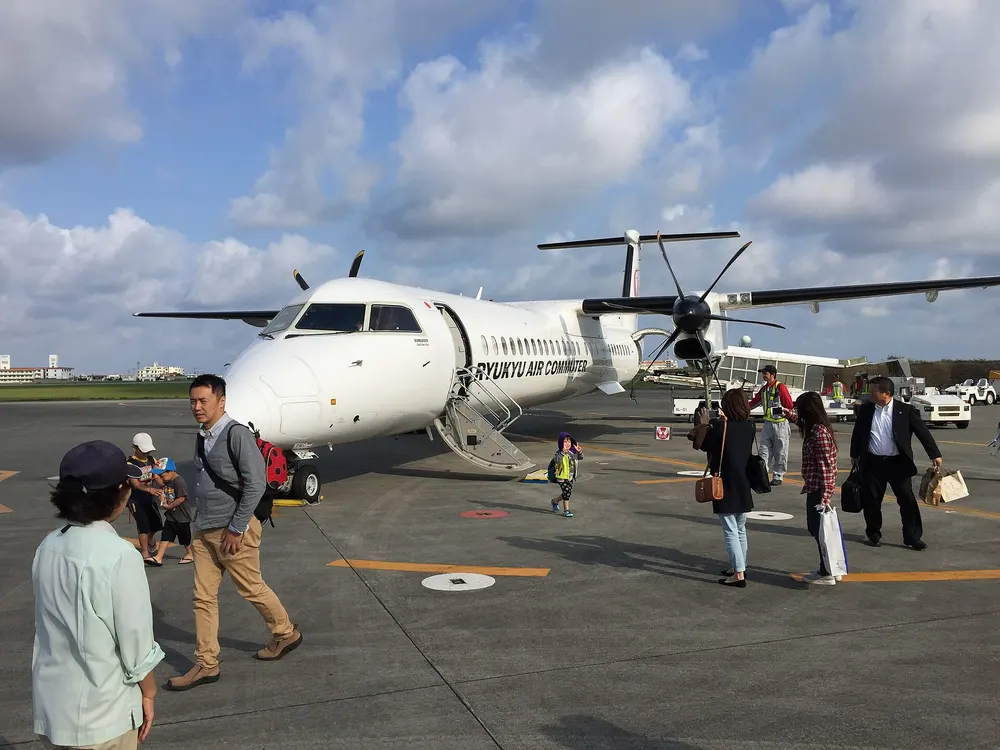
- Flights stop when winds exceed limits at the airport; JAL and ANA typically announce cancellations and free changes or refunds in advance on their websites.
- When a storm warning (bōfū keihō) is in force, life pauses: buses often stop, many shops and attractions close, and you should stay indoors.
- Official sources: JMA's typhoon information (English available), the Okinawa Regional Headquarters of JMA, airline and airport status pages, and each ferry operator's status page.
How likely is a typhoon during your trip?
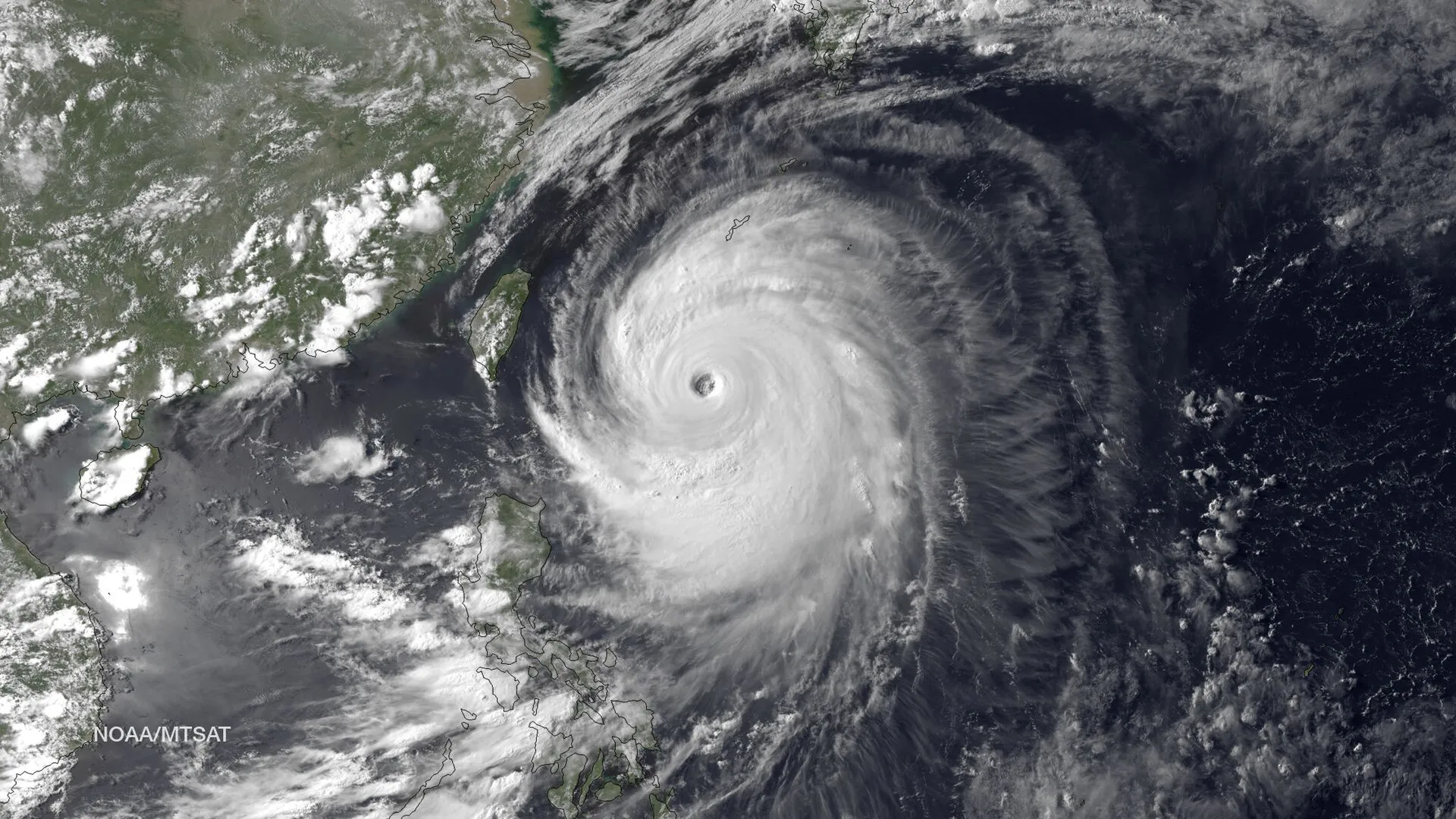
A typhoon is a tropical cyclone of the western North Pacific with sustained winds of at least about 17 m/s. Okinawa lies on one of their main tracks, which is why its houses are concrete and its power lines short. JMA counts an 'approach' when a typhoon's centre passes within 300 km of a weather station in the region. On the 1991–2020 averages the Okinawa region gets 7.7 approaches a year, almost all between July and October.
In practice that means a one-week trip in August has a real chance of meeting at least one typhoon somewhere in the islands, while a trip in April or December almost certainly will not. A typhoon usually affects a given island for one to two days of strong wind and rain, but the knock-on effects on boats and flights can last three or four days.
| Month | Average typhoon approaches (Okinawa region) | What it means for a trip |
|---|---|---|
| Dec – Apr | 0 (none in the 30-year record for Dec–Mar; 0.0 in April) | Typhoons are not a factor; winter winds still cancel some ferries |
| May | 0.4 | Occasional early typhoon |
| Jun | 0.6 | Low, but rainy season |
| Jul | 1.5 | Season under way – keep plans flexible |
| Aug | 2.2 | Peak; plan buffer days |
| Sep | 1.9 | High; strong late-season storms possible |
| Oct | 1.1 | Declining |
| Nov | 0.3 | Low |
Warnings and what they mean on the ground
JMA issues advisories, warnings and, for the most dangerous storms, emergency warnings. For visitors the one to know is the storm warning (暴風警報, bōfū keihō) for your municipality. While it is in force:
- Route buses on Okinawa Main Island generally stop running; Yui Rail may suspend services in very strong winds.
- Shops, restaurants, tourist sights and tours often close; some convenience stores stay open but shelves empty quickly the day before.
- Beaches and outdoor activities close, and the sea remains dangerous for a day or more after the wind drops.
- Bridges such as the Irabu and Kouri bridges may be closed to traffic in very strong winds.
- Hotels stay open and are the safest place to be; many provide meals or advise guests on supplies.
Before a typhoon: buy water and food for a day or two, charge phones and power banks, bring in anything loose from balconies, and keep your passport and documents with you. During it: stay indoors, away from windows, until the warning is lifted. Power cuts are possible, especially on smaller islands.
Flights: cancellations and rebooking
Airlines decide flight by flight. When a strong typhoon is forecast to pass near Naha, Ishigaki or Miyako, JAL (including JTA and RAC) and ANA usually publish a list of flights that may be affected a day or two ahead and offer free changes or refunds for those dates; low-cost carriers follow their own rules. International airlines do the same for their Okinawa flights.
Once the typhoon has passed, the first flights out are full of people whose flights were cancelled, so it can take a day or two to get a seat. On the small-island routes (RAC turboprops to Yonaguni, Kumejima, Tarama) recovery can be slower.
- Watch the airline's 'flight status' or 'typhoon information' page from three days before your flight if a typhoon is forecast.
- If the airline offers free changes, change early – the best alternative seats go within hours.
- If you are connecting to an international flight in Tokyo or Osaka, contact both airlines; a domestic cancellation does not automatically protect a separate international ticket.
- Keep receipts for extra hotel nights and meals; travel insurance may cover them, the airline usually does not when the cause is weather.
- Tell your rental-car company and hotel about the change; many are flexible during typhoons, but extensions are normally charged.
Ferries: why boats stop first and restart last
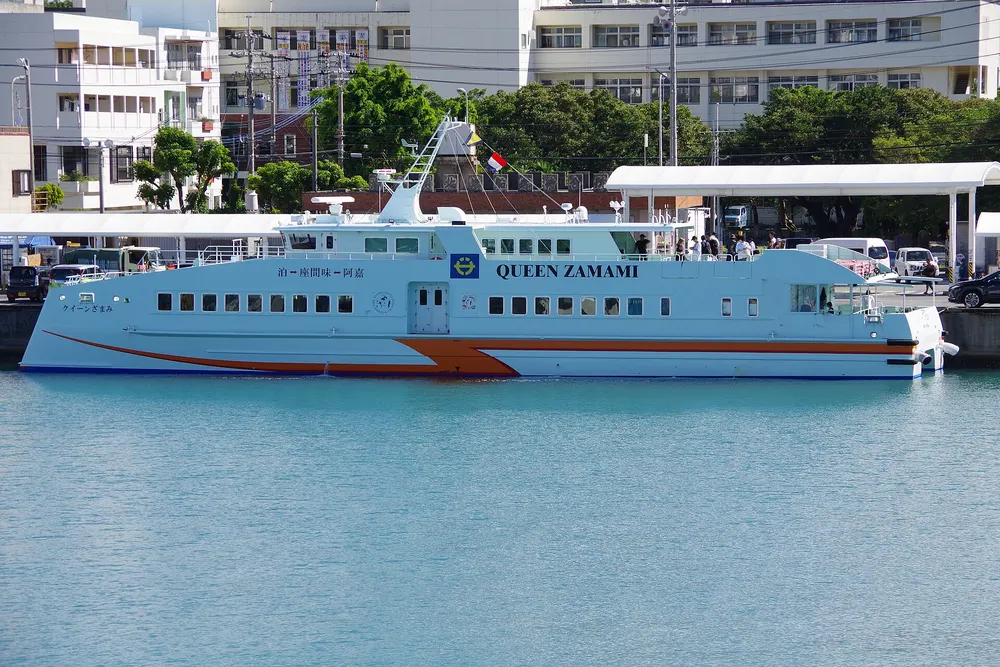
Island ferries stop well before the wind arrives, because the long ocean swell a typhoon sends ahead makes harbour entrances dangerous. High-speed boats are affected first; car ferries keep running a little longer. After the typhoon passes, the swell can keep boats in port for another day or more, especially on exposed routes such as Ishigaki–Hateruma, Ishigaki–Uehara (Iriomote), Naha–Zamami and the Kumejima routes.
Each operator publishes its decision on its website, usually the day before and again early in the morning: Tokashiki village posts sailing status at 08:00 daily; Zamami village, Yaeyama Kanko Ferry, Anei Kanko, A-Line and Marix Line show route-by-route status on their home pages. If the operator cancels, the fare is refunded.
The practical rule: do not plan to come back from a small island on the day before an important flight in typhoon season. Return to Okinawa Main Island or Ishigaki a day early.
Official information sources
- Japan Meteorological Agency (JMA): typhoon track forecasts and warnings, with English pages (jma.go.jp). JMA's Okinawa Regional Headquarters covers the prefecture.
- Japan Tourism Agency's 'Safety tips' app: push notifications of warnings in English, Chinese, Korean and other languages.
- NHK World-Japan: English news and disaster information.
- Airlines and airports: JAL, ANA, Peach, Skymark and the international airlines' flight-status pages; Naha, New Ishigaki and Shimojishima airports post status updates.
- Ferries: Tokashiki village ferry portal, Zamami village sailing information, Yaeyama Kanko Ferry, Anei Kanko, A-Line, Marix Line.
- Marine safety: the Japan Coast Guard's 11th Regional Coast Guard Headquarters (Okinawa) publishes navigational warnings for the seas around the islands; emergency number at sea is 118.
- Emergency numbers on land: 110 police, 119 fire and ambulance.
Planning a summer trip around typhoons
Typhoon season is also beach season, and most summer trips are not affected. A few choices reduce the risk of a ruined holiday:
- Book flexible: refundable hotels and changeable flights cost a little more but pay for themselves the first time a typhoon arrives.
- Put islands with ferries early in the trip and the main island or Ishigaki at the end, so a delay costs you beach time, not a missed flight home.
- Have an indoor plan: the Churaumi Aquarium, museums in Naha and Shuri, shopping in Naha and American Village. Note that many attractions close while a storm warning is in force.
- Buy travel insurance that covers trip delay and extra accommodation.
- Follow the forecast from a week out: JMA's five-day track forecasts are good enough to decide whether to move a small-island stay.
Frequently asked questions
What month has the most typhoons in Okinawa?
August, with an average of 2.2 typhoon approaches to the Okinawa region (JMA normals 1991–2020), followed by September (1.9) and July (1.5).
Will my flight be cancelled if a typhoon comes?
Flights are cancelled when the wind at the airport exceeds safe limits, usually for one to two days. JAL and ANA normally announce affected flights in advance and offer free changes or refunds; check your airline's website.
Do ferries run during typhoons?
No. Island ferries usually stop a day or more before a typhoon arrives and may stay in port for a day or more after it passes because of the swell.
Is it safe to visit Okinawa in typhoon season?
Yes, if you follow official warnings, stay indoors while a storm warning is in force and keep your plans flexible. Buildings in Okinawa are built for typhoons.
Where can I get typhoon warnings in English?
From the Japan Meteorological Agency's website, the Japan Tourism Agency's Safety tips app and NHK World-Japan.
Sources and official information
Facts were checked against these official sources in November 2026. Opening hours, prices and timetables change, so confirm before you go.
- data.jma.go.jp
- jma.go.jp
- jma-net.go.jp
- vill.tokashiki.okinawa.jp
- yaeyama.co.jp
- aneikankou.co.jp
- kaiho.mlit.go.jp
- jnto.go.jp
Ryukyu.com is an independent guide, not the official site of any tourism board, government, airline, port or ferry operator. Some links are affiliate links: tours go to GetYourGuide and stays go to Booking.com, and we may earn a commission at no extra cost to you.