In short
- Shuri Castle: the reconstructed Seiden (main hall) opened to the public on 23 November 2026; inside visits need a timed reservation; other buildings are still being rebuilt.
- Naha: Kokusai-dōri, the rebuilt Makishi Public Market, Tsuboya pottery street and the izakaya of Sakaemachi and Sakurazaka.
- UNESCO sites: Shuri Castle, the Sonohyan-utaki stone gate, Tamaudun and Shikinaen are all in Naha.
- Getting around: the Yui Rail monorail links the airport, the centre and Shuri; no car needed.
- Stay: Naha is the best base without a car and for Kerama ferries from Tomari Port.
Naha in brief
Naha (那覇) is Okinawa's capital and largest city, with about 310,000 people, spread along the south-west coast between the airport and the port. Most of the old city was destroyed in 1945, and what visitors see today is a dense, busy post-war city of concrete, palms and arcades, with pockets of older Ryukyu in Tsuboya, at the shrines and in the hills of Shuri, the royal capital, which merged into Naha in 1954.
Naha is the practical base for a first trip: the monorail, the island's largest choice of hotels, restaurants and bars, the Tomari Port ferries to the Kerama Islands, and day tours to every corner of the island.
Book tours in Naha & ShuriLive times, prices and free cancellation terms on GetYourGuide.
Check availabilityVisiting Shuri Castle now
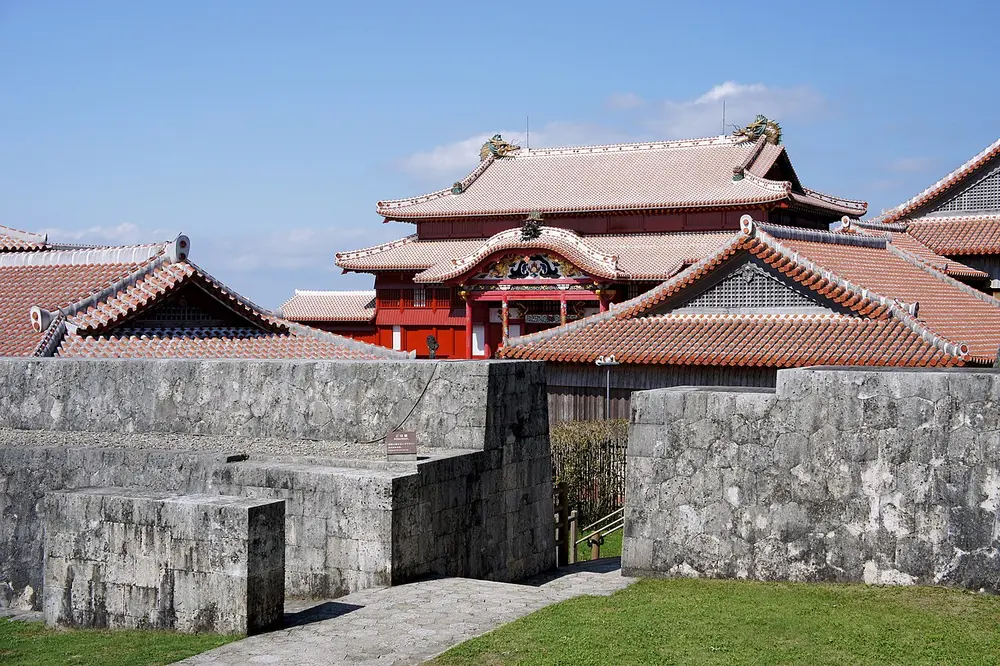
Shuri Castle (Shurijō, 首里城) stands on a hill about 4 km east of central Naha. It was the royal palace and the centre of government and ritual of the Ryukyu Kingdom from the 14th or 15th century until 1879. Destroyed in the Battle of Okinawa, it was rebuilt from 1992; in the early hours of 31 October 2019 a fire destroyed the main hall and six other buildings.
The reconstruction of the Seiden (正殿), the vermilion main hall, was completed in November 2026, and the hall opened to the public at noon on 23 November 2026, after a national completion ceremony on 22 November. The new hall follows the 18th-century design more closely than the 1992 version, using research carried out since then, and has stronger fire protection. Other buildings around the courtyard (Una), such as the North and South halls, are still being rebuilt, so expect some construction areas.
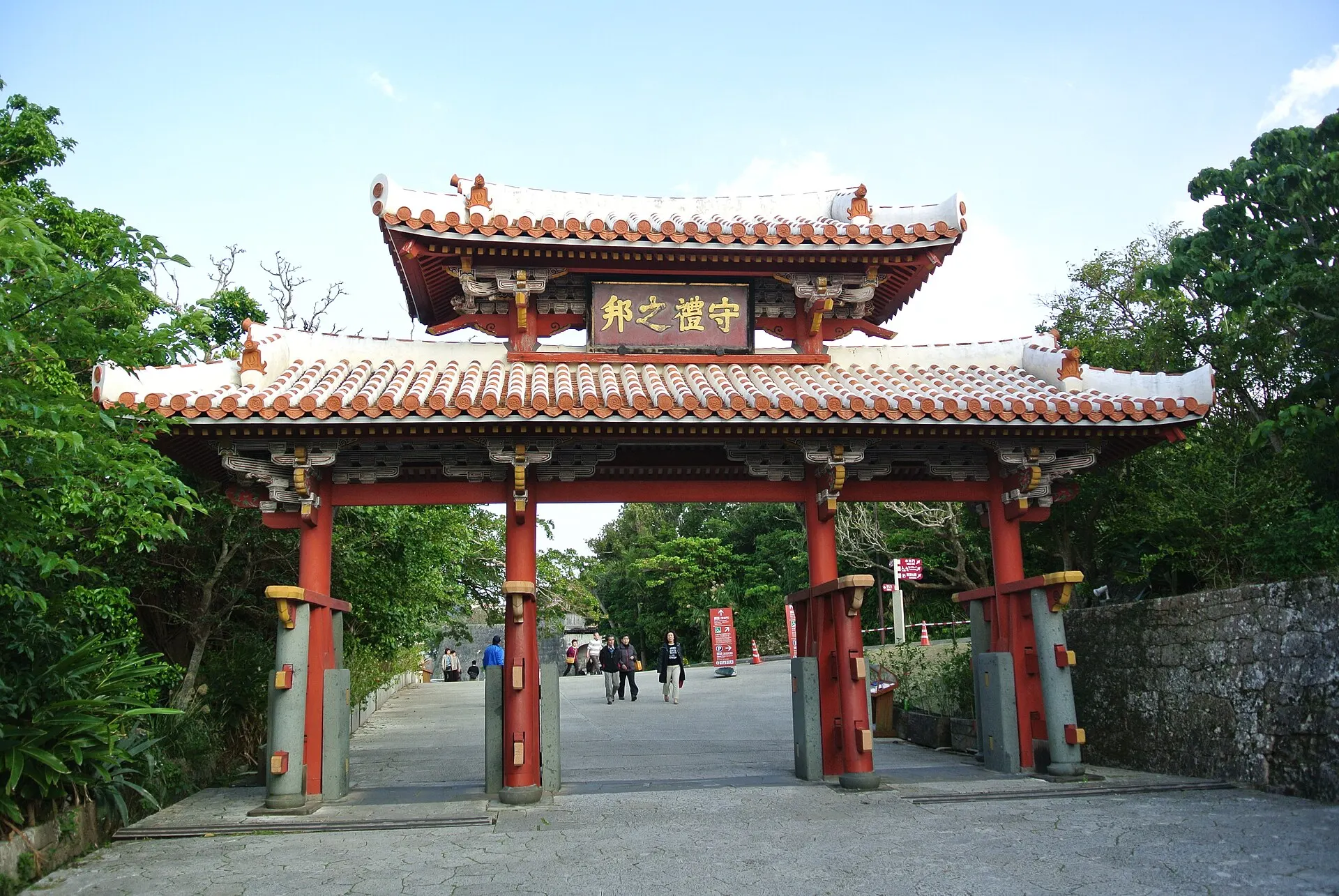
How to visit: walk up from Shuri station through the Shureimon gate, past the Sonohyan-utaki stone gate (a UNESCO site) and the Kankaimon and Zuisenmon gates to the free area with its views over Naha. The paid area includes the courtyard and the Seiden. To go inside the Seiden you need a timed-entry reservation made on the official Shurijo Castle Park website (the 'Seiden interior viewing reservation' page shows live availability). The reservation itself has no extra charge, and opening-day tickets sold out in advance, so book as soon as your date is fixed. For the history of the castle, the fire and the rebuilding, see Shuri Castle.
- Paid area admission
- Adults ¥1,000; high school ¥760; primary and junior high ¥370; under 6 free (official site, as checked November 2026)
- Hours (July–November)
- Paid area 8:30–19:00 (tickets to 18:30); free area 8:00–19:30; check winter hours on the official site
- Seiden interior
- Timed reservation required via the official site; included in admission
- Getting there
- Yui Rail to Shuri (about 15 min walk) or bus to Shurijō-mae
Shurijo Castle and Tamaudun guided tour
A guided tour of two UNESCO sites in Shuri: the royal castle and the royal mausoleum of Tamaudun.
Check availabilityBook via GetYourGuideNaha: 1.5-hour Shurijo Castle tour
A 1.5-hour guided tour of Shuri Castle, the heart of the Ryukyu Kingdom.
Check availabilityBook via GetYourGuideShuri Castle Ryukyu heritage walking tour
A guided walking tour of Shuri Castle and the Ryukyu heritage around it.
Check availabilityBook via GetYourGuideTour listings are on GetYourGuide. Prices, times and cancellation terms are shown live on each listing and can change; Ryukyu.com may earn a commission at no extra cost to you.
Tamaudun, Kinjō-chō and Shikinaen
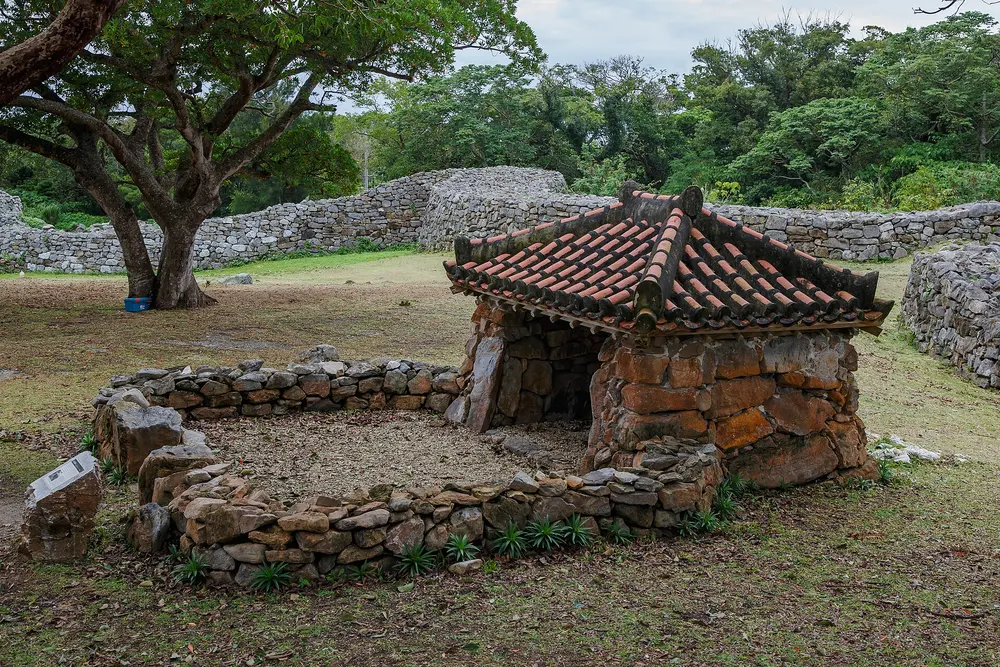
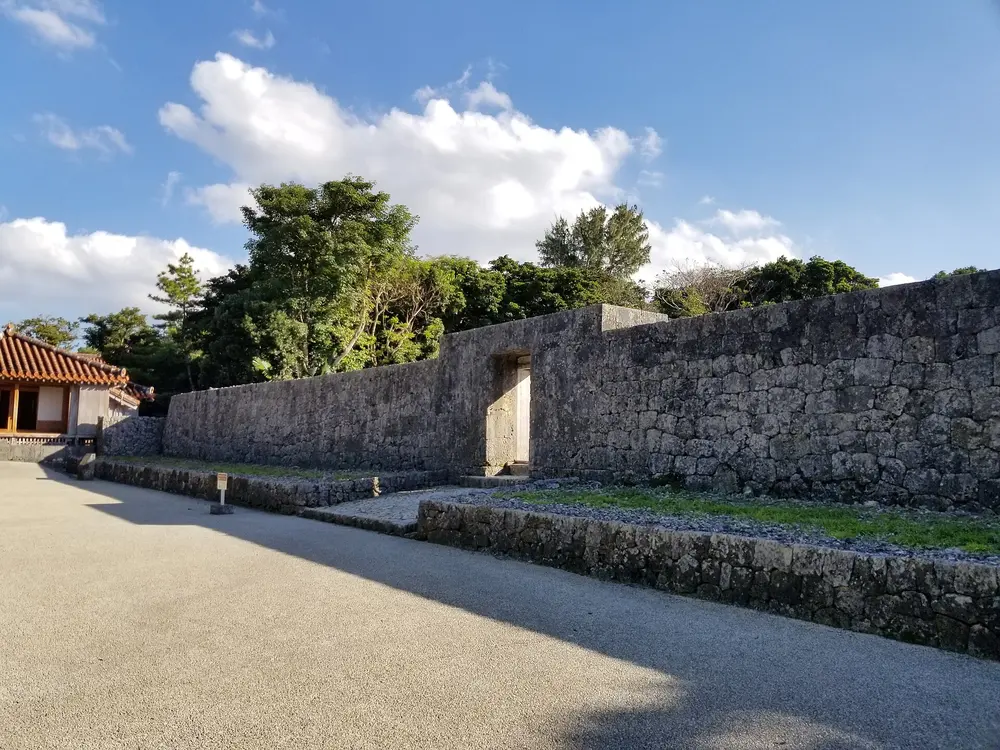
Tamaudun (玉陵), built in 1501, is the stone mausoleum of the kings of the Second Shō dynasty, a walled courtyard with three tomb chambers carved in the style of a Ryukyuan house. A small museum explains the burial customs. Downhill from Shuri, the Kinjō-chō stone-paved road (Kinjō-chō ishidatami-michi) is a surviving section of the old road to Naha, lined with coral-stone walls and an old banyan grove.
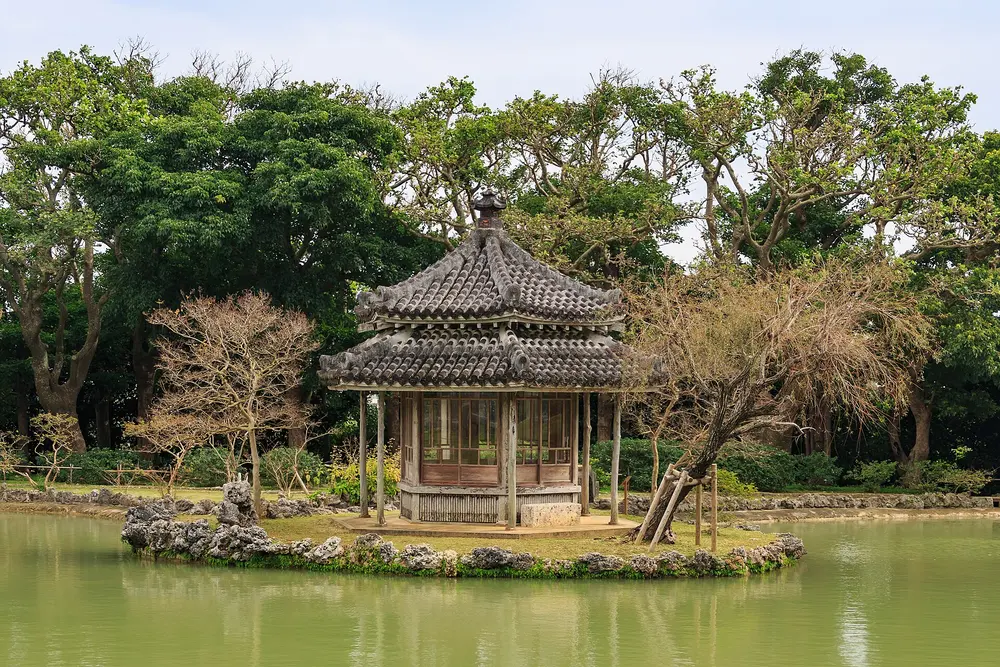
Shikinaen (識名園), south-east of the centre, was the royal family's second residence and the place where Chinese envoys were entertained. Its pond garden, with stone bridges and a hexagonal pavilion, was rebuilt after the war and is a UNESCO site. It is best reached by bus or taxi.
Back in central Naha, Fukushūen is a Chinese garden built with Naha's sister city Fuzhou, and the Naminoue shrine sits on a cliff above Naha's city beach.
Shikinaen royal garden guided tour
A guided visit to Shikinaen, the Ryukyu royal family's garden villa in Naha and a UNESCO site.
Check availabilityBook via GetYourGuideNaha: Fukushuen Chinese garden tour
A guided walk through Fukushūen, the Chinese-style garden built with Naha's sister city Fuzhou.
Check availabilityBook via GetYourGuideTour listings are on GetYourGuide. Prices, times and cancellation terms are shown live on each listing and can change; Ryukyu.com may earn a commission at no extra cost to you.
Kokusai-dōri, the market and Tsuboya
Kokusai-dōri (国際通り) runs about 1.6 km from Kenchōmae to Makishi stations. The street itself is souvenir shops and restaurants; the interest lies in the covered arcades that lead off it, Heiwa-dōri and Ichiba-hondōri.
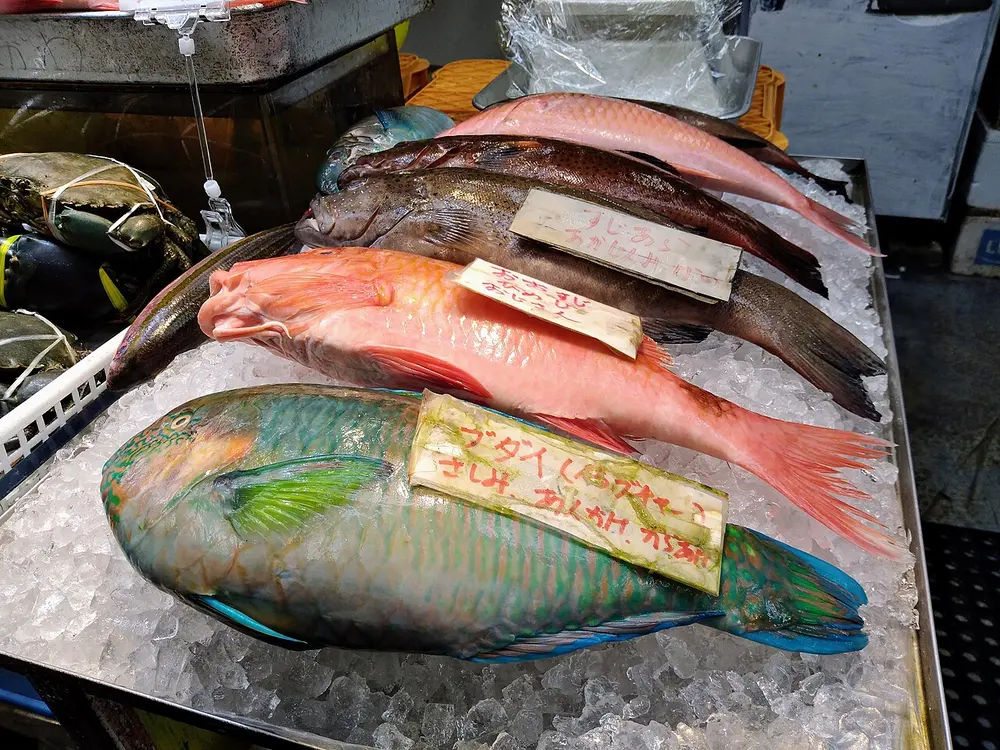
At the heart of the arcades, the Daiichi Makishi Public Market (第一牧志公設市場) reopened in a new building in 2023. Fishmongers and butchers sell on the ground floor, with island fish, sea grapes, pig's feet and coconut crab; the first-floor restaurants will cook what you buy for a fee.
East of the market, Tsuboya Yachimun-dōri is the old pottery quarter, where kilns were gathered by royal order in 1682. The Naha City Tsuboya Pottery Museum explains Okinawan ceramics, and the side lane leads to the old climbing kiln, Nīgama. Shops sell yachimun (Okinawan pottery) from small cups to shisa.
Daiichi Makishi Public Market guided food tour
A guided food tour of Naha's Makishi Public Market and its stalls.
Check availabilityBook via GetYourGuide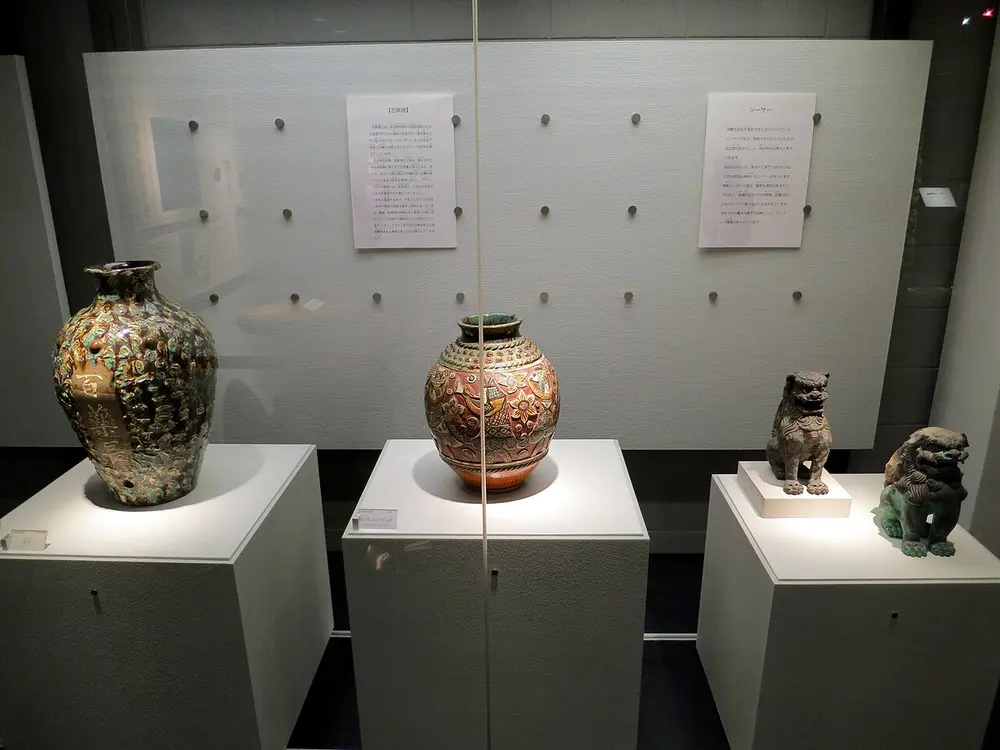
Tsuboya yachimun pottery class with a master potter
A pottery class in Naha's Tsuboya district with an experienced potter.
Check availabilityBook via GetYourGuideNaha guided walking tour with street-food tastings
A walking tour of Naha with tastings of local street food.
Check availabilityBook via GetYourGuideTour listings are on GetYourGuide. Prices, times and cancellation terms are shown live on each listing and can change; Ryukyu.com may earn a commission at no extra cost to you.
Eating and drinking
Naha is the best place on the island to eat Okinawan food: Okinawa soba shops, shokudō (canteens) with champurū and set meals, and izakaya with awamori and live sanshin. The streets around the market and Sakaemachi (by Asato station) are full of small bars; Sakurazaka, below Tsuboya, has a mix of old bars and new restaurants. On Kokusai-dōri, venues with Okinawan folk-music shows run nightly. See food and music.
Kokusai-dori to Makishi: a night of local izakayas
An evening walk from Kokusai-dōri to the Makishi market area, visiting local izakaya.
Check availabilityBook via GetYourGuideSenbero bar tour to Sakurazaka with a local okami
A bar-hopping tour to Naha's Sakurazaka with a local hostess.
Check availabilityBook via GetYourGuideNaha awamori tasting and liquor culture tour
Taste awamori, Okinawa's rice spirit, and learn how it is made and drunk, in Naha.
Check availabilityBook via GetYourGuideTour listings are on GetYourGuide. Prices, times and cancellation terms are shown live on each listing and can change; Ryukyu.com may earn a commission at no extra cost to you.
Naha's coast and Tomari Port
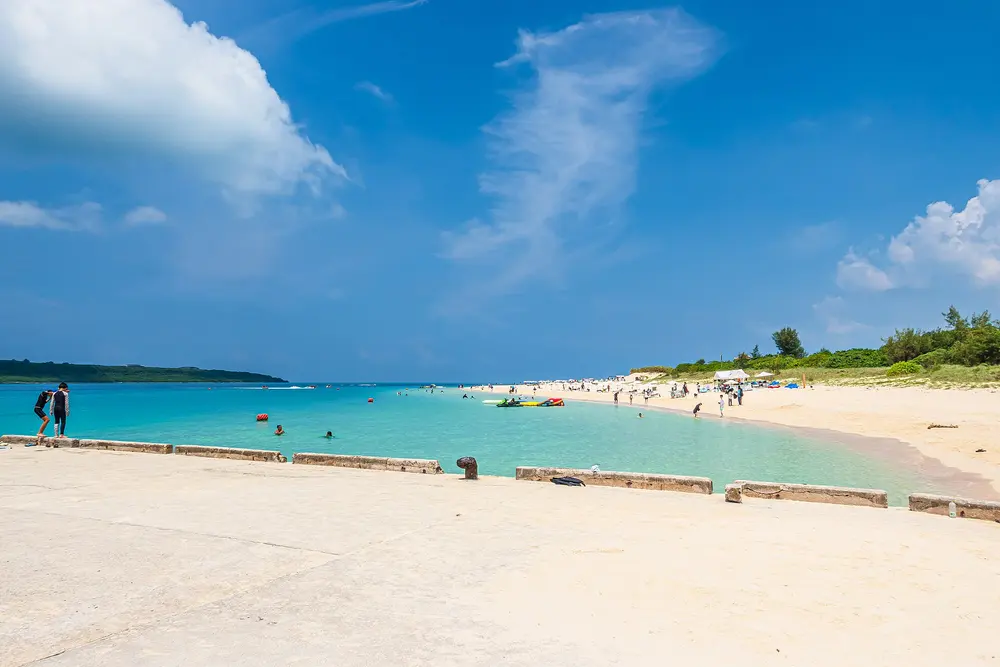
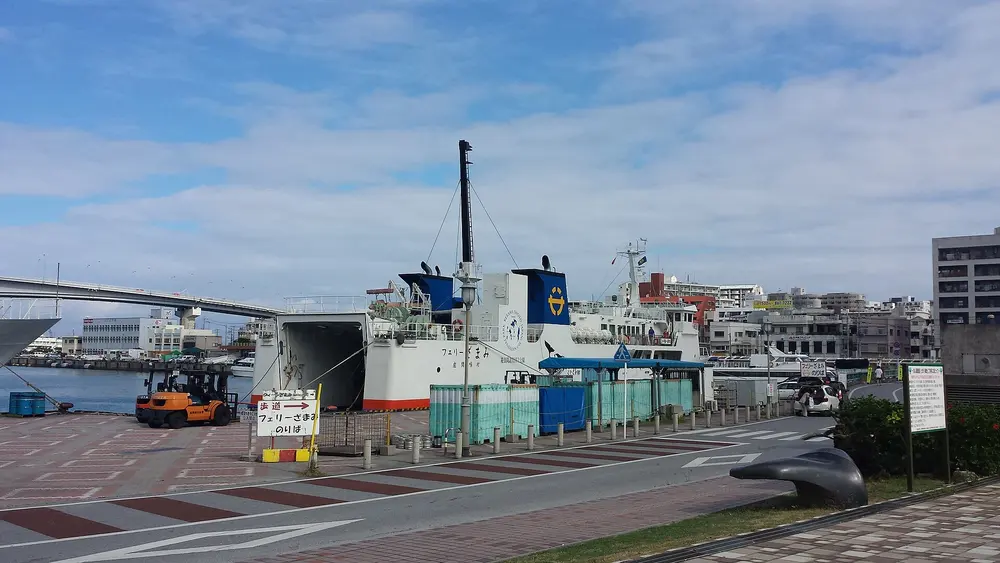
Tomari Port (Tomarin), a 10-minute walk from Miebashi station, is the departure point for the Kerama Islands, Tonaki and Kumejima. Note that the Zamami and Tokashiki high-speed boats leave from the north bank, and the Ferry Zamami from the south bank. Naminoue Beach is a small managed beach in the city, handy for a swim. South of the airport, Senaga Island (Tomigusuku) has a terraced shopping and spa complex and views of planes landing.
Where to stay in Naha
Stay near a monorail station: around Kenchōmae, Miebashi and Makishi for Kokusai-dōri and the market; Asahibashi for the bus terminal; Omoromachi (Shintoshin) for a newer district with large malls; or Shuri for quiet evenings near the castle. For early Kerama ferries, the area near Tomari Port and Miebashi is convenient. See where to stay on Okinawa.
Book in Naha
Naha is where most island-wide day tours start, so it is also the best base for booking the north, the south and the Kerama Islands.
Frequently asked questions
Do I need to book Shuri Castle in advance?
For the inside of the reconstructed main hall (Seiden), yes: entry is by timed reservation on the official Shurijo Castle Park website. The grounds and other parts of the paid area do not need one.
How long do I need in Naha?
Two full days covers Shuri, the market and Tsuboya, Shikinaen and an evening or two of food and music.
Is Naha a good base for the whole island?
For a short stay without a car, yes: day tours start there. For beaches, a second base on the Onna coast or in Motobu saves long drives.
Sources and official information
Facts were checked against these official sources in November 2026. Opening hours, prices and timetables change, so confirm before you go.
- oki-park.jp
- oki-park.jp
- okinawastory.jp
- nippon.com
- whc.unesco.org
- vill.zamami.okinawa.jp
- vill.tokashiki.okinawa.jp
- city.naha.okinawa.jp
Ryukyu.com is an independent guide, not the official site of any tourism board, government, airline, port or ferry operator. Some links are affiliate links: tours go to GetYourGuide and stays go to Booking.com, and we may earn a commission at no extra cost to you.