In short
- Clearest water close to Naha: the Kerama Islands, 40–70 minutes by fast ferry or longer by car ferry: Furuzamami and Ama on Zamami, Aharen and Tokashiku on Tokashiki, Nishihama on Aka.
- Longest white sand: Miyako's Yonaha Maehama and the beaches of Irabu and Shimoji; remotest: Hateruma's Nishihama.
- Main island: managed beaches with jellyfish nets along the west coast (Onna, Yomitan, Motobu), plus Emerald Beach, Sesoko and Kouri.
- Not for swimming: Kabira Bay on Ishigaki (swimming prohibited because of strong currents and boat traffic). On Taketomi, Kondoi is the swimming beach.
- Safety: box jellyfish (habu-kurage) season is June to September; reef-edge currents are strong; swim at managed beaches, never alone, and never touch coral.
Choosing a beach in the Ryukyus
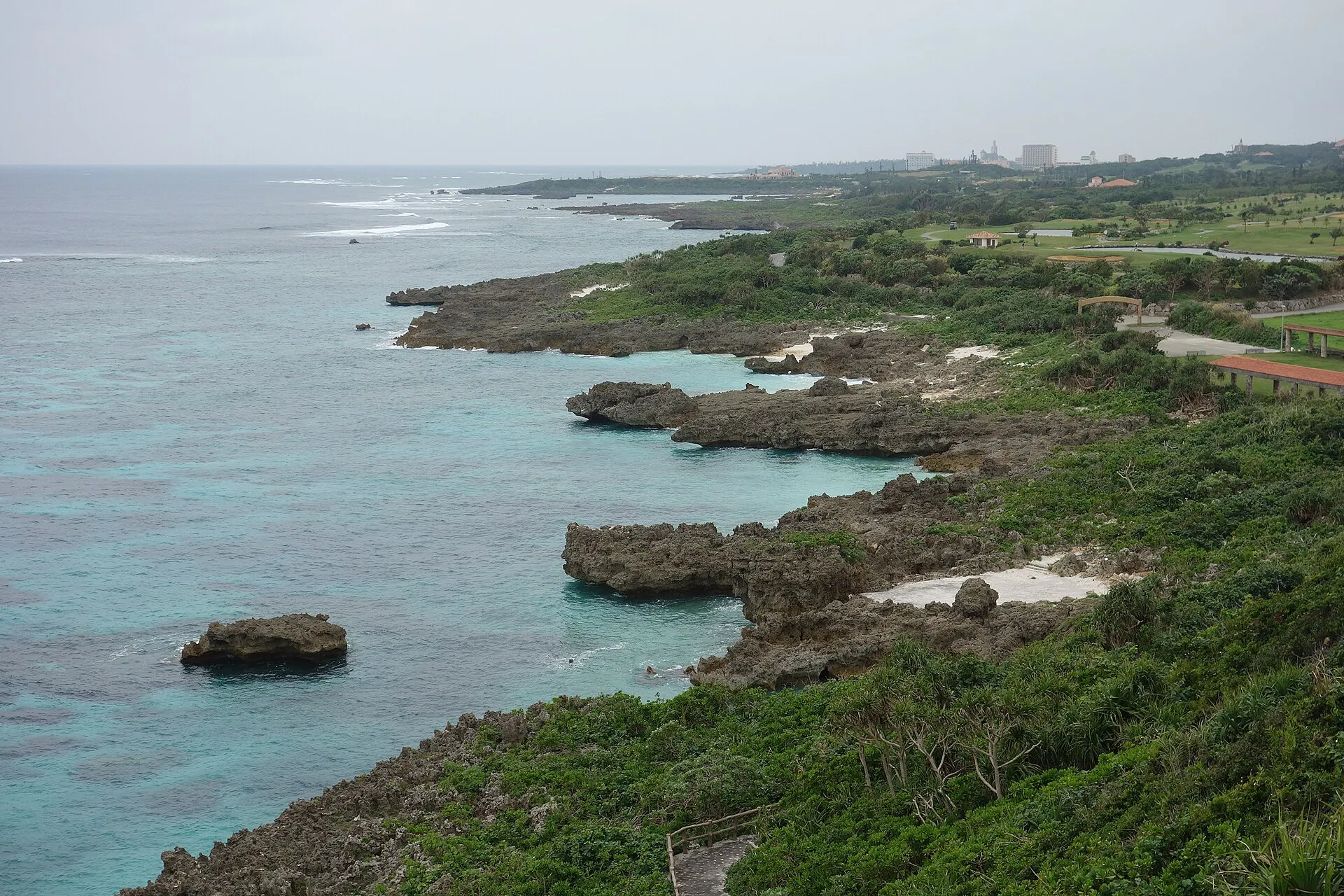
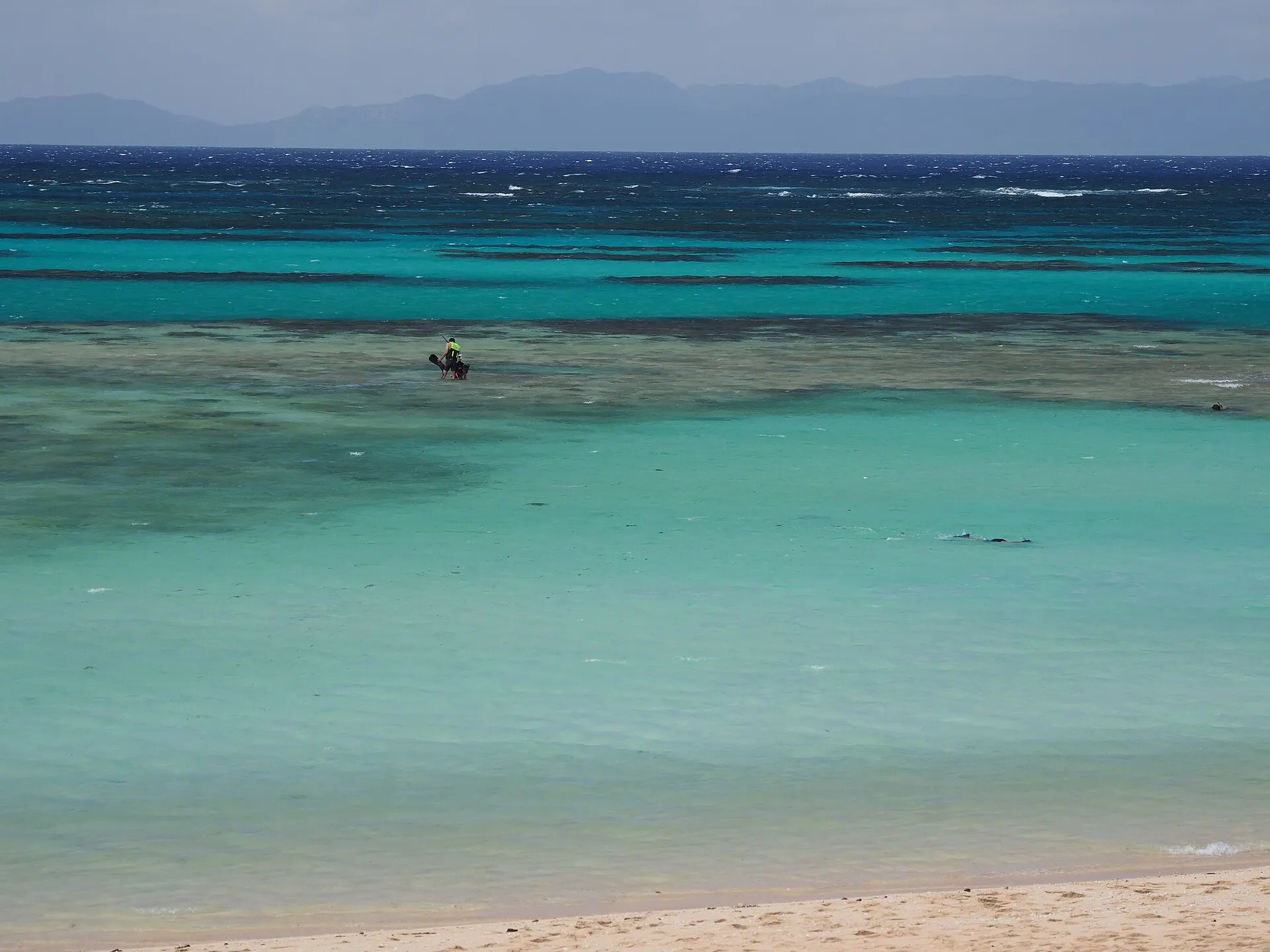
Every Ryukyu island has coral sand and clear water, but the beaches are not all alike. On Okinawa Main Island many of the easiest beaches are attached to resort hotels, with nets, lifeguards and showers; public beaches are fewer and the coast near Naha and the bases is built up. The Kerama Islands, a national park since 2014, have some of the clearest water in Japan within day-trip distance of Naha. Miyako, flat and without rivers, has dazzling sand and very clear water. Ishigaki and Iriomote combine beaches with mountains and mangroves, and the small outer islands (Hateruma, Kohama, Taketomi, Kumejima's sandbars) are about as remote as a beach can get in Japan.
Season matters as much as place. Swimming is comfortable from about May to October; in winter the sea is cooler and the northerly winds make north-facing beaches rough. The best time to visit page has the month-by-month picture, including typhoon risk.
Kerama Islands: the day-trip favourites
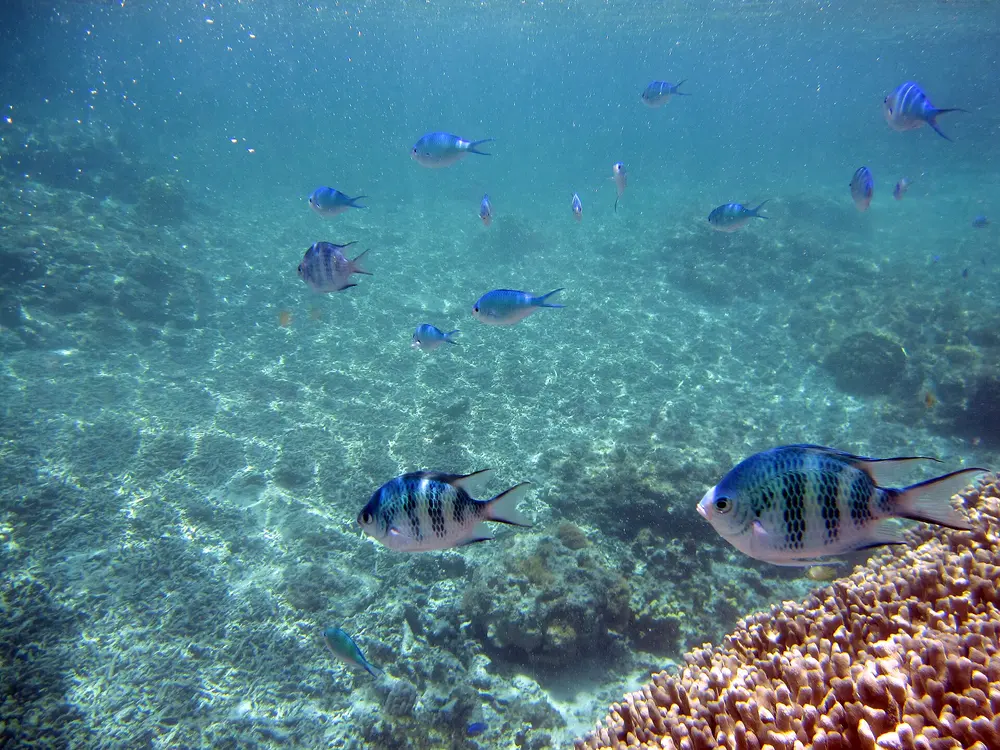
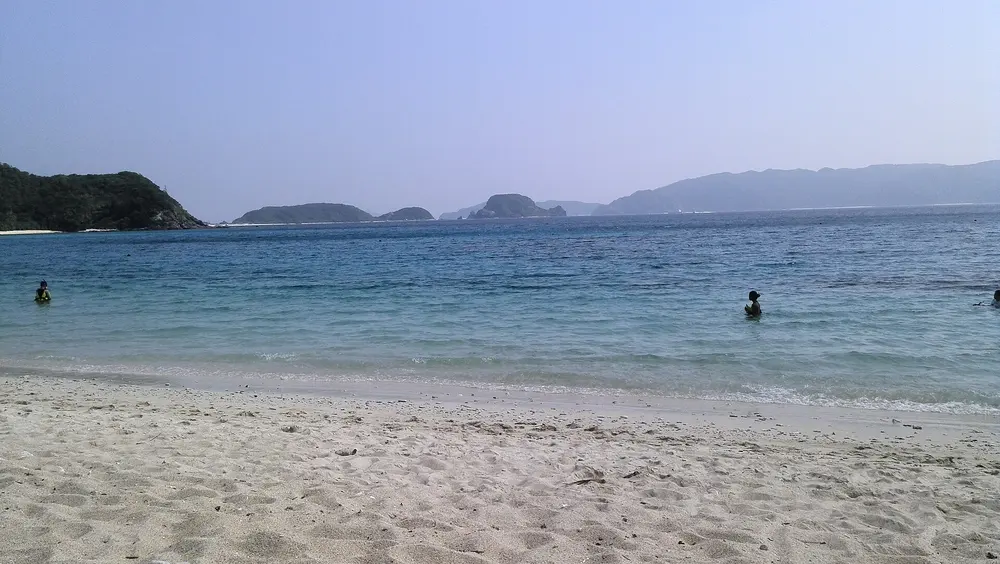
Furuzamami Beach on Zamami is the classic: a curve of white sand a short bus ride from the port, with good snorkelling off the beach when conditions are calm. Ama Beach, close to Zamami village, is known for sea turtles grazing on sea grass offshore; watch, do not chase or touch. On Tokashiki, Aharen Beach is the island's busiest, with shops and boats, and Tokashiku Beach is long and quiet. Nishihama Beach on Aka is reached on foot over a bridge from Aka village.
Getting there takes planning: the fast boats and car ferries leave from Tomari Port in Naha, and some vessels go into dock for maintenance in winter (in late 2026, the Queen Zamami until 3 December and the Marine Liner Tokashiki until 11 December). The Kerama guide and ferries page have timetables. Day tours from Naha that include transport and snorkelling are the simplest option.
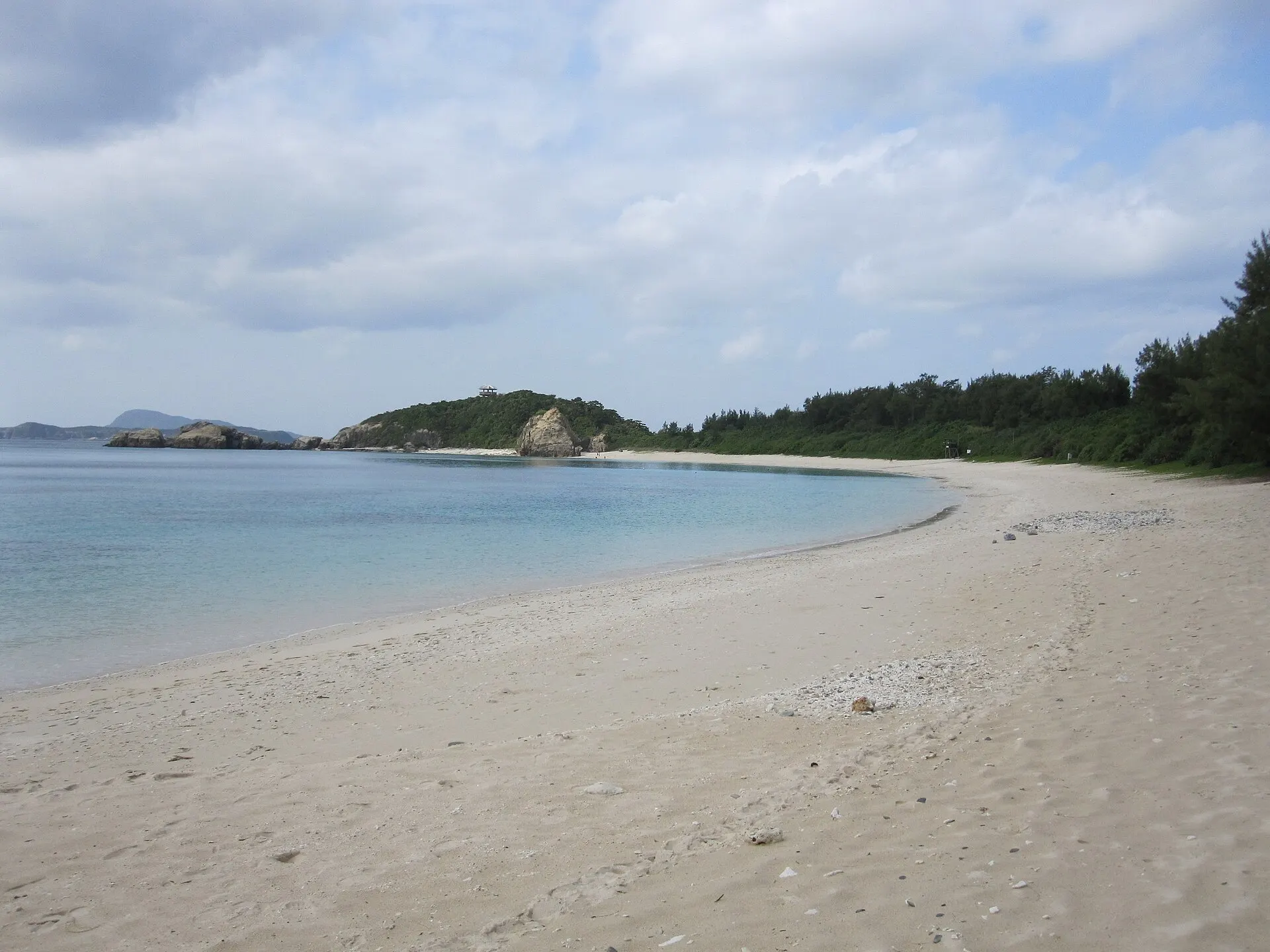
Aharen Beach on Tokashiki, one of the Kerama Islands.
From Naha: Kerama Islands snorkelling boat trip with turtles
A boat trip from Naha to snorkel the Kerama Islands, where sea turtles are often seen.
Check availabilityBook via GetYourGuideTokashiki Island sea-turtle boat snorkel with lunch
A boat snorkelling trip from Aharen on Tokashiki to see sea turtles, with lunch included per the listing title.
Check availabilityBook via GetYourGuideTokashiki Island: glass-bottom boat and two beaches day trip
A day trip from Naha to Tokashiki Island with a glass-bottom boat and two of its best-known beaches.
Check availabilityBook via GetYourGuideTour listings are on GetYourGuide. Prices, times and cancellation terms are shown live on each listing and can change; Ryukyu.com may earn a commission at no extra cost to you.
Okinawa Main Island
On the west coast between Yomitan and Onna, resort beaches such as those at Moon Beach, Manza and the Onna Seaside Park (Nabi Beach) have nets in jellyfish season and lifeguards in summer. North of Nago, Emerald Beach inside the Ocean Expo Park next to the Churaumi Aquarium is a managed beach in three lagoons, Sesoko Beach across the bridge from Motobu has wide sand, and Kouri Island's beaches beside the bridge are photogenic but busy. In the south, Mibaru Beach has glass-bottom boats and Azama Sun Sun Beach in Nanjō is a family favourite near the Kudaka ferry.
Near Naha, Naminoue Beach is the city's beach, under a cliff-top shrine. Chatan's Sunset Beach in American Village is better for the evening view than for swimming. The Okinawa beaches and diving guide lists more, area by area.
Mibaru Beach glass-bottom boat tour
A glass-bottom boat trip over the reef off Mibaru Beach in Nanjō.
Check availabilityBook via GetYourGuideOnna village beach snorkelling tour
A guided snorkel from a beach on the Onna coast.
Check availabilityBook via GetYourGuideTour listings are on GetYourGuide. Prices, times and cancellation terms are shown live on each listing and can change; Ryukyu.com may earn a commission at no extra cost to you.
Miyako, Irabu and Shimoji
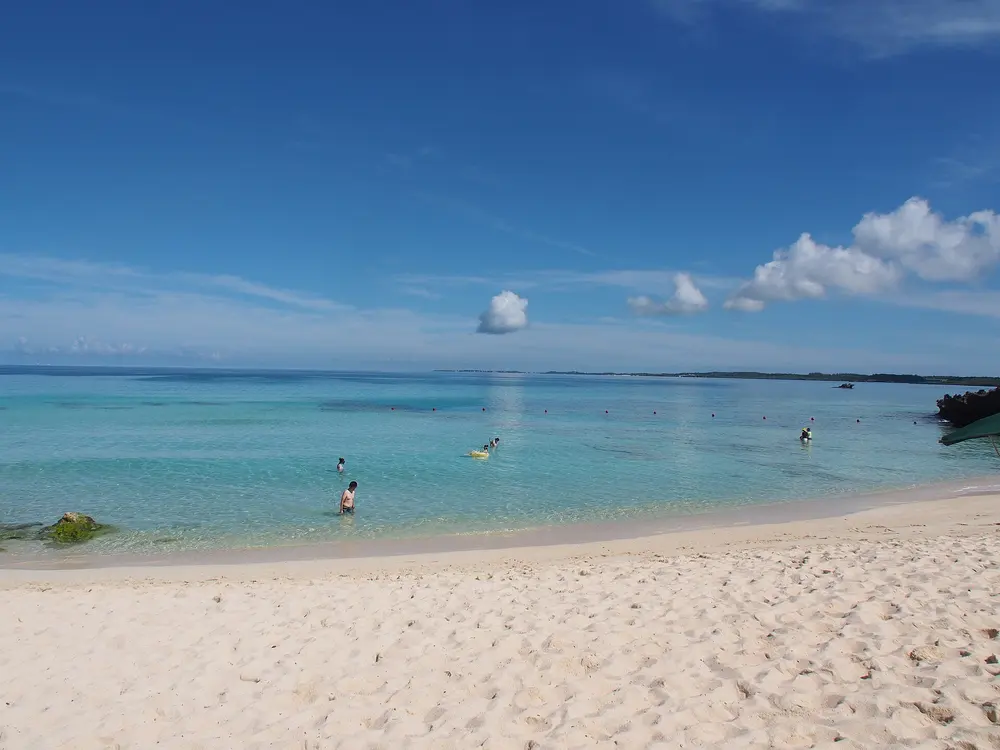
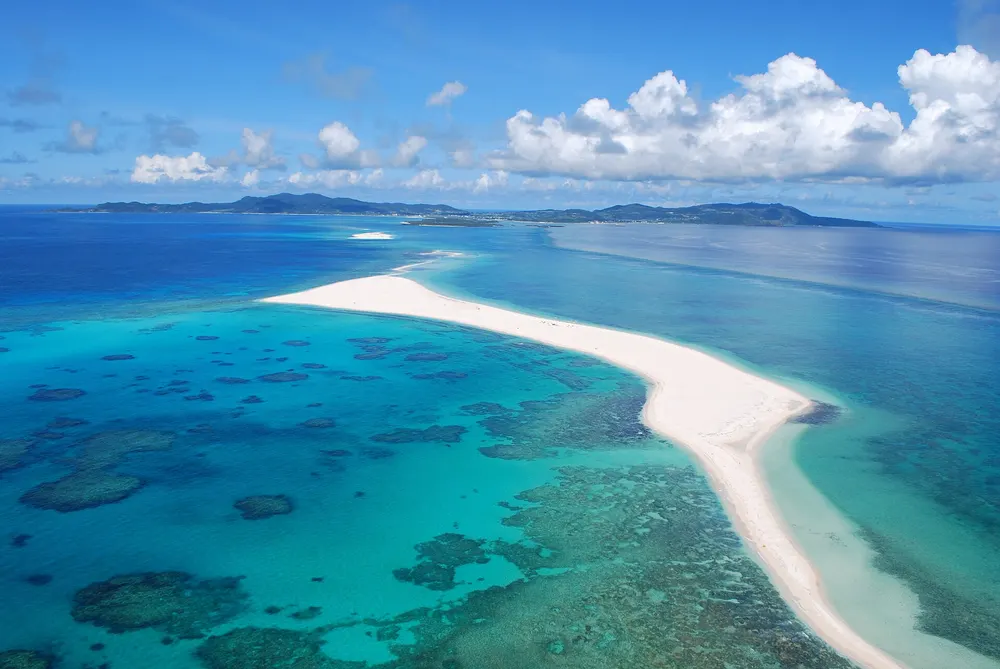
Miyako's beaches are its main attraction. Yonaha Maehama, about 7 km of fine white sand on the south-west coast facing Kurima Island, is often called Japan's finest; Sunayama Beach, reached over a sand dune, has a rock arch; Aragusuku and Imgya are calm, sheltered spots favoured for snorkelling, and the beaches of Irabu and Shimoji, reached by the 3,540 m Irabu Bridge, include Sawada with its scattered boulders and Nakanoshima. The Yuni-no-hama sandbar off Irabu appears at low tide and is reached by boat or SUP tour.
Currents along Miyako's reef edges are strong; some of the most beautiful snorkelling spots have had serious accidents. Use a guided tour if you are not a confident swimmer. The Miyako beaches guide has the details.
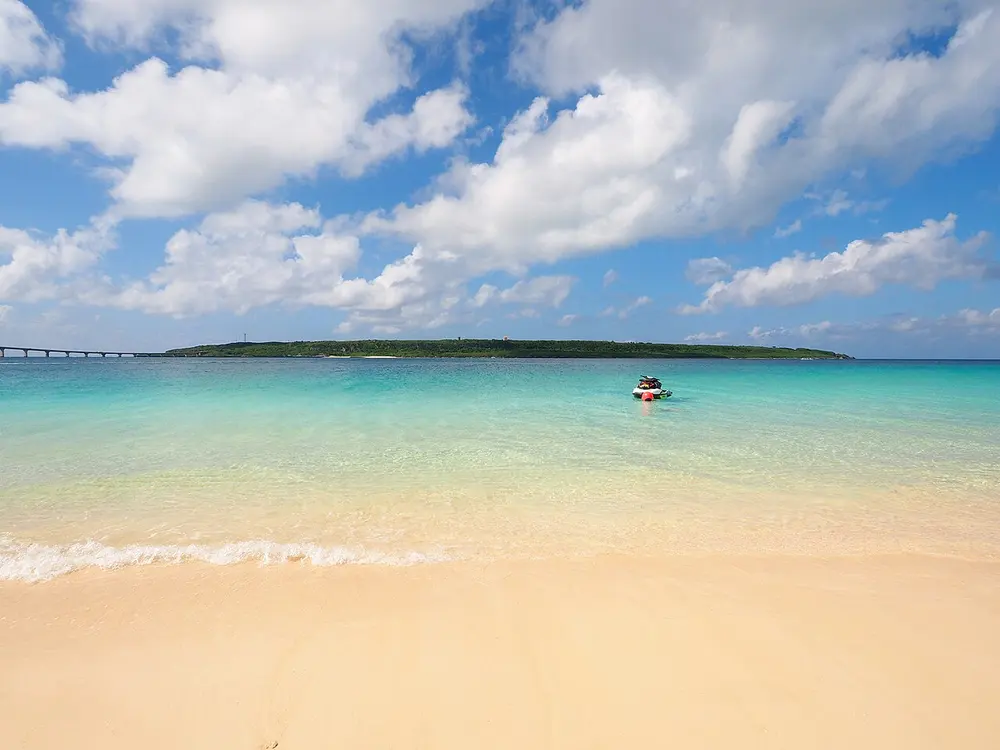
Miyakojima: Uni-no-hama sandbar snorkel and landing tour
A tide-dependent trip to the Yuni-no-hama sandbar with snorkelling and time ashore on the sand.
Check availabilityBook via GetYourGuide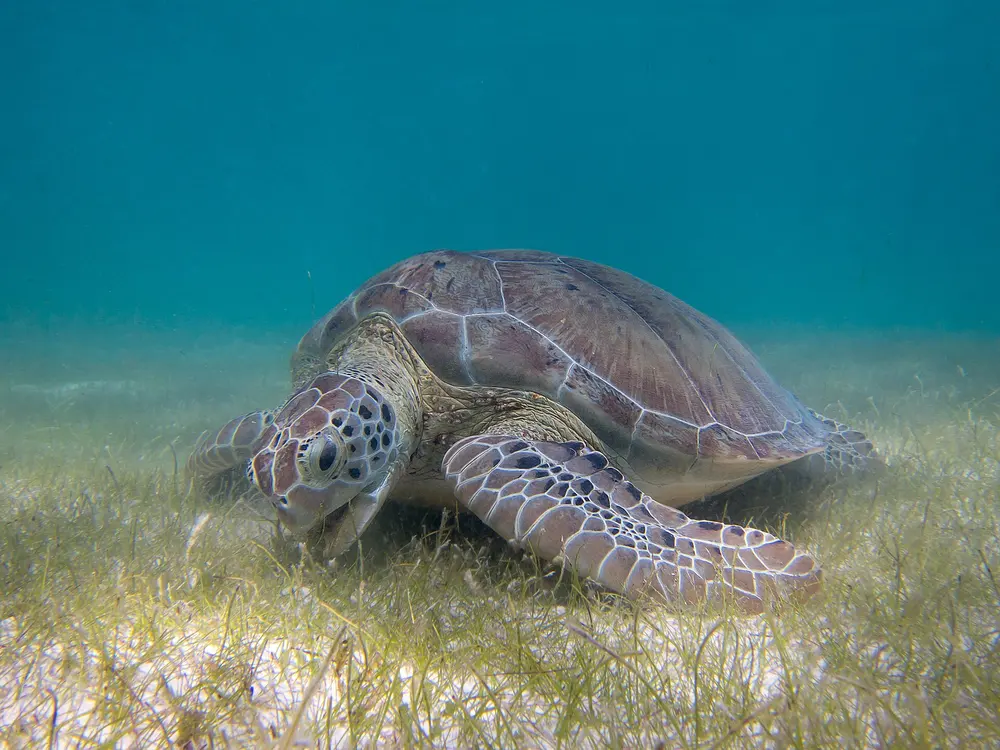
Miyako: sea turtle snorkelling tour
A guided snorkel at a Miyako bay where green sea turtles feed. Check the listing for minimum age, gear and meeting point.
Check availabilityBook via GetYourGuideTour listings are on GetYourGuide. Prices, times and cancellation terms are shown live on each listing and can change; Ryukyu.com may earn a commission at no extra cost to you.
Ishigaki, Taketomi and Iriomote
Kabira Bay, Ishigaki's famous view, is for looking at, not swimming: swimming is prohibited because of strong currents, boat traffic and pearl farms. See it from the shore or a glass-bottom boat. For swimming, Sukuji Beach next door is shallow and calm, Yonehara has coral close to shore (with dangerous currents at the reef edge; use a guide), and Fusaki and Maesato beaches near town are managed resort beaches.
On Taketomi, Kondoi Beach is the swimming beach; Kaiji ('star-sand beach') is for looking for the star-shaped foraminifera shells, not swimming. Iriomote's Hoshizuna and Tsukigahama beaches are quiet and wild, and the Barasu coral-rubble islet off its north coast is a snorkel-tour stop. The phantom island sandbar off Taketomi (Hamajima) appears with the tide and is reached by boat. The Ishigaki and Iriomote & Taketomi beach guides go further.
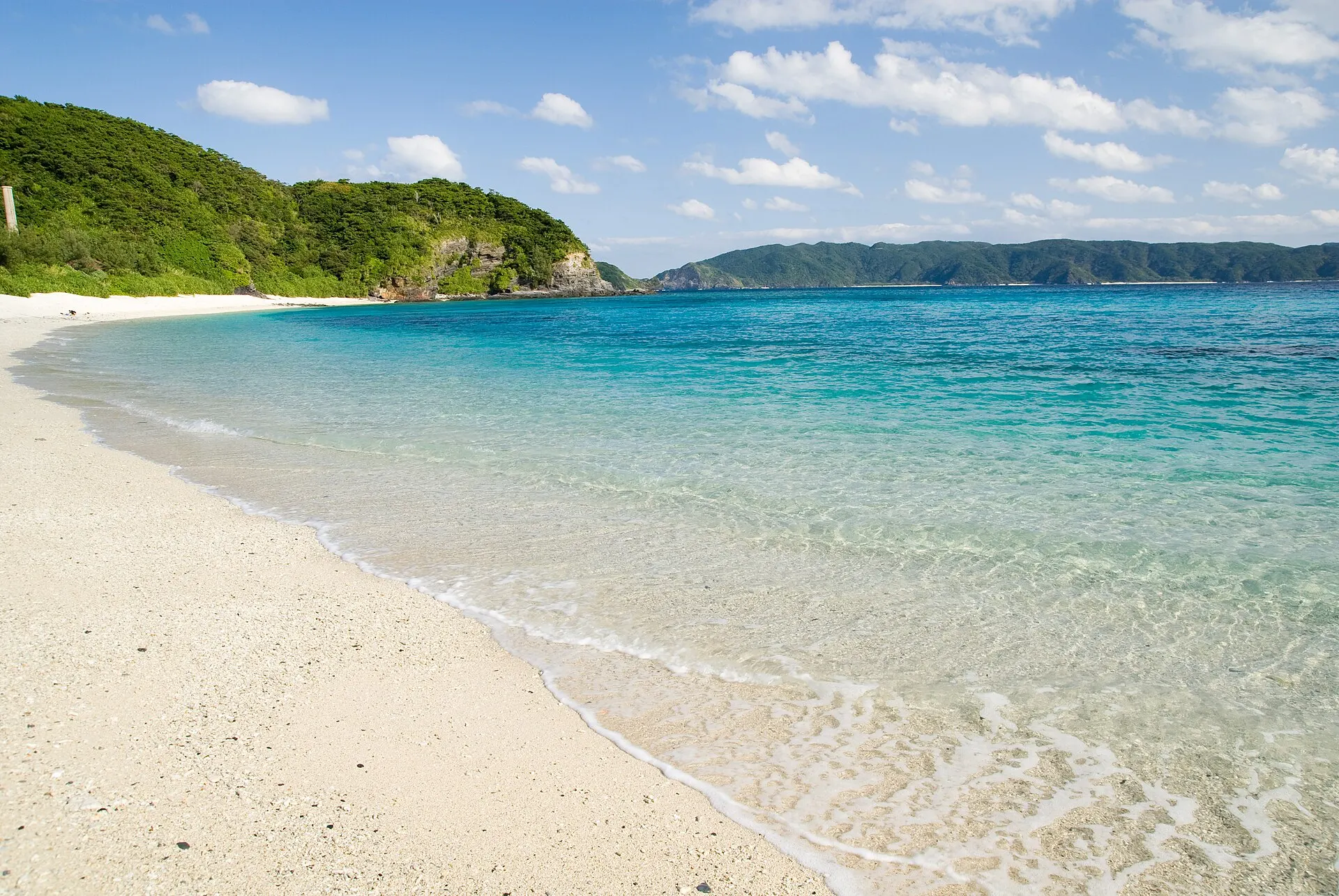
Furuzamami Beach on Zamami, the classic Kerama beach.
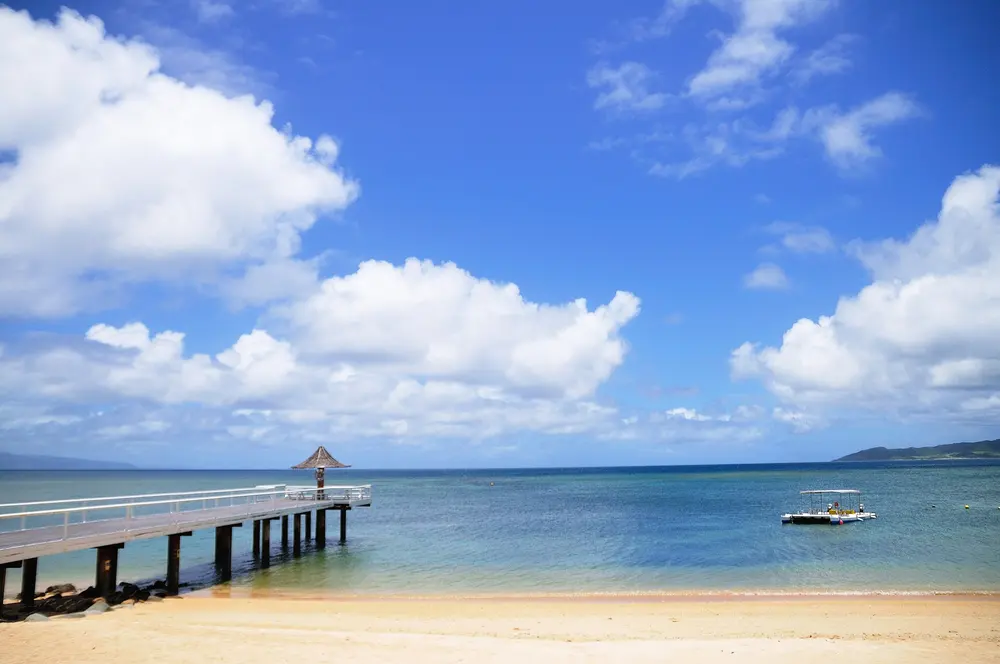
Ishigaki: boat snorkelling tour at the phantom island
A boat trip to the sandbar that appears at low tide, with snorkelling around it.
Check availabilityBook via GetYourGuide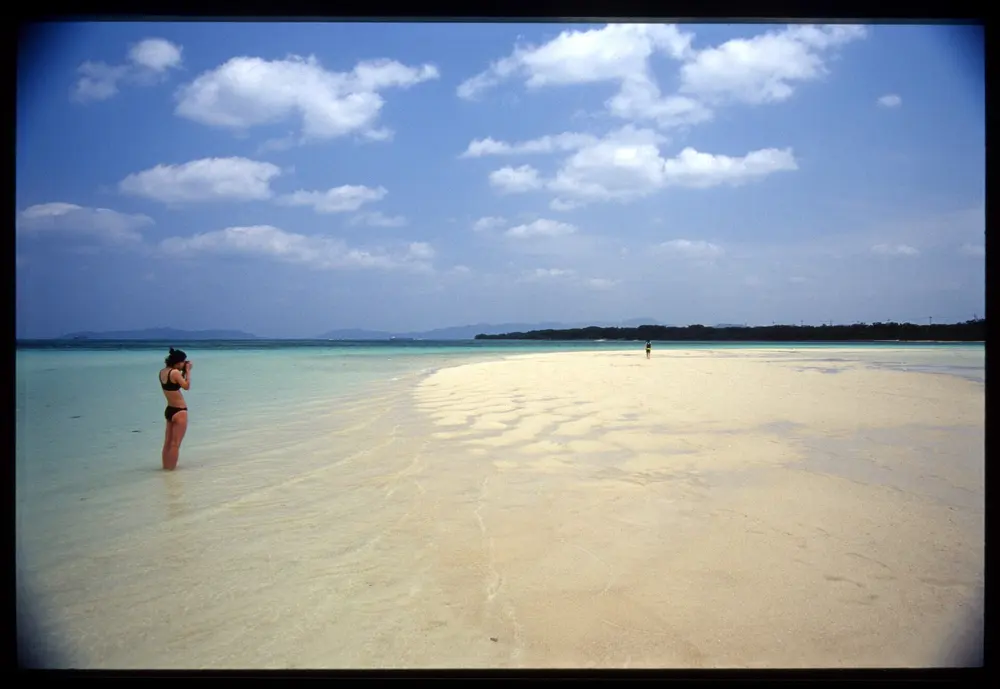
Ishigaki: phantom island snorkelling and Taketomi sightseeing
Snorkel at the sandbar known as the phantom island, then sightsee on Taketomi.
Check availabilityBook via GetYourGuide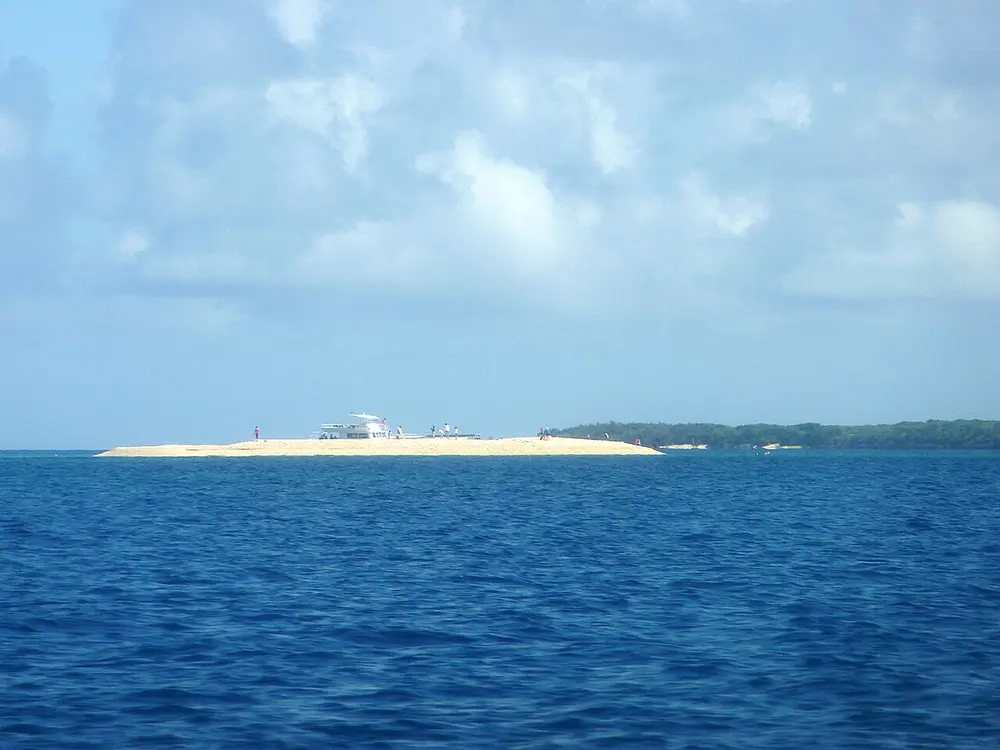
Iriomote: boat snorkelling tour at Barasu Island
A boat trip to Barasu, the coral-rubble islet, with snorkelling.
Check availabilityBook via GetYourGuideTour listings are on GetYourGuide. Prices, times and cancellation terms are shown live on each listing and can change; Ryukyu.com may earn a commission at no extra cost to you.
The far islands: Hateruma, Kohama, Kumejima, Yonaguni
Nishihama Beach on Hateruma, Japan's southernmost inhabited island, is the one the islanders call 'Hateruma blue': a short walk from the village, with facilities and changing rooms. Getting there means a ferry of 60–90 minutes from Ishigaki, often cancelled in winter swell; see Hateruma.
Kumejima's Hate-no-Hama is a chain of sandbars stretching out to sea, reached only by boat from Eef Beach; see Kumejima. Kohama has the beaches of its large resorts and quieter coves reached by bicycle (Kohama). Yonaguni is more about cliffs, horses and diving than beaches, though Nantabama beach near Sonai is pleasant (Yonaguni).
Amami Islands
Amami's beaches are less crowded than Okinawa's and often in deep, sheltered bays. On Amami-Oshima, the north-east coast around Kasari has Tomori, Ayamaru and Ohama Kaihin Park near Naze; Kakeroma, across the strait from Setouchi, has quiet coves. Yoron, at the southern tip of the group, is known for the Yurigahama sandbar that appears at low tide. The Amami beaches guide covers them.
Beach safety: currents, jellyfish, sun and coral
Okinawa Prefecture and local police record drowning accidents every year, many of them visitors snorkelling outside managed areas. The main risks:
- Reef currents. Water that piles up inside the reef drains out through gaps (channels) in strong, narrow currents, especially at falling tide. Stay well inside the reef, never snorkel near reef gaps without a guide, and if you are pulled out, swim parallel to the shore before turning back.
- Habu-kurage (box jellyfish). Okinawa Prefecture issues its habu-kurage advisory from June to 30 September. Its sting can be serious. Swim inside nets at managed beaches, wear a rash guard or wetsuit, and if stung, pour plenty of vinegar on the sting (do not rub), and get help. Many beaches keep vinegar at the lifeguard post.
- Other stinging and venomous animals. Do not touch cone shells, lionfish, sea snakes, crown-of-thorns starfish or stonefish; reef shoes protect your feet.
- Sun. The UV index is extreme in summer. Use a hat and a rash guard; choose reef-friendly sunscreen and apply it well before entering the water.
- Never alone, never after drinking. Swim with a companion at a managed beach during lifeguard hours. Check the weather and wave forecasts, especially when a typhoon is approaching even far away: swells arrive days before the storm.
Beach tours worth booking
On the outer islands, a boat to a sandbar or reef often gives the best beach day of the trip. Our picks by island group:
Frequently asked questions
Which Okinawa beach has the clearest water?
The Kerama Islands, Miyako and the Yaeyama outer islands (Hateruma, Taketomi) generally have the clearest water. On the main island, beaches in Motobu and on Sesoko are clearer than those near Naha.
Can I swim at Kabira Bay?
No, swimming is prohibited at Kabira Bay because of strong currents and boat traffic. Glass-bottom boats show the reef.
When is jellyfish season in Okinawa?
Okinawa Prefecture's habu-kurage (box jellyfish) advisory runs from June to 30 September. Swim inside nets at managed beaches.
Can I swim in Okinawa in winter?
Some people do, but the water is cool (wetsuit recommended), managed beaches have no lifeguards, and northerly winds make many beaches rough.
Sources and official information
Facts were checked against these official sources in November 2026. Opening hours, prices and timetables change, so confirm before you go.
- pref.okinawa.jp
- env.go.jp
- env.go.jp
- vill.zamami.okinawa.jp
- vill.tokashiki.okinawa.jp
- city.miyakojima.lg.jp
- city.ishigaki.okinawa.jp
- town.taketomi.lg.jp
- ryukyushimpo.jp
Ryukyu.com is an independent guide, not the official site of any tourism board, government, airline, port or ferry operator. Some links are affiliate links: tours go to GetYourGuide and stays go to Booking.com, and we may earn a commission at no extra cost to you.