In short
- Sacred south: Sefa-utaki (World Heritage; two three-day rest periods a year) and the ferry to Kudaka Island from Azama, 15–25 minutes.
- History: the Peace Memorial Park at Mabuni (Cornerstone of Peace with 242,659 names, as of 23 June 2026), the Himeyuri Peace Museum and the former Navy Underground Headquarters.
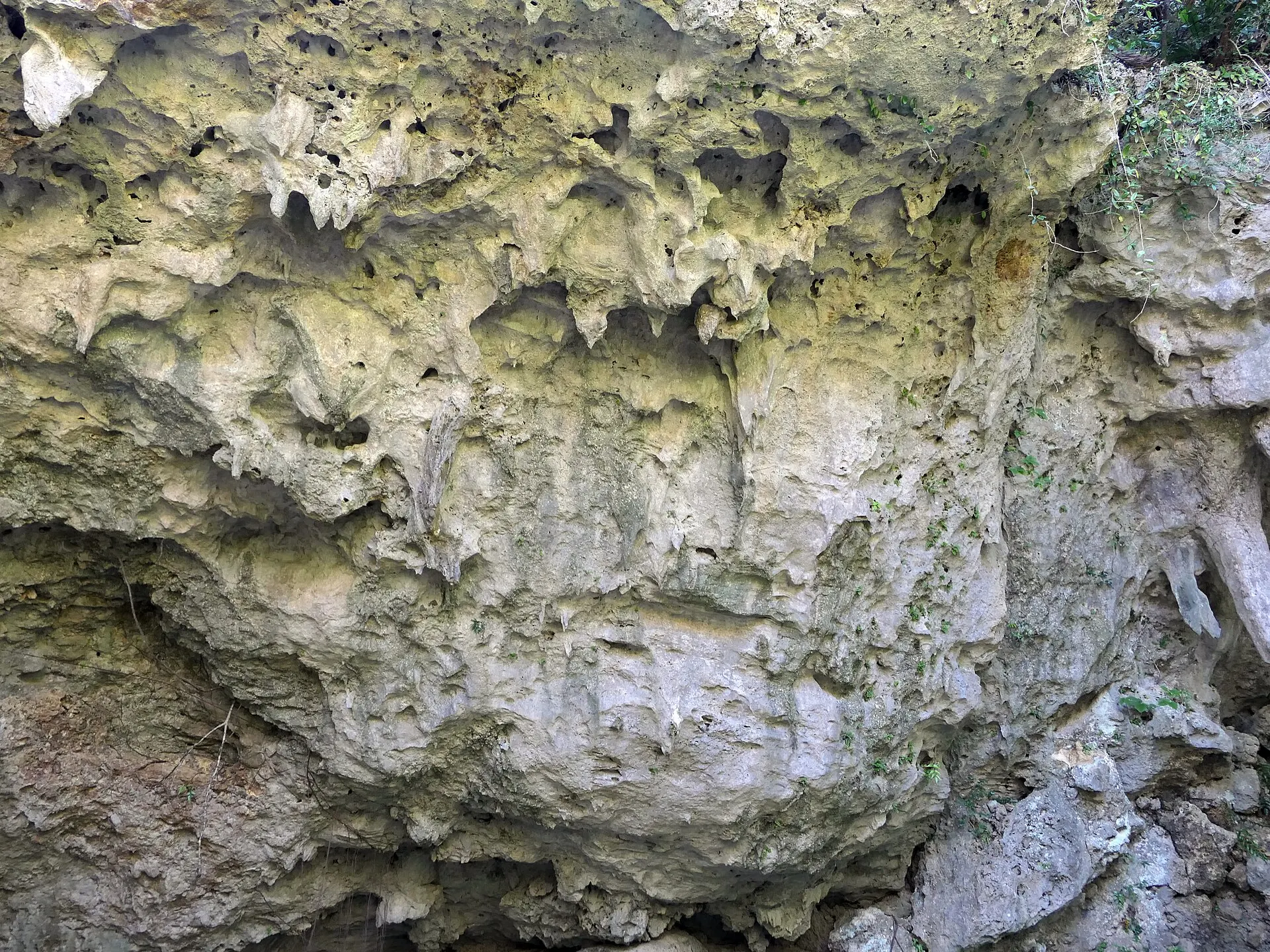
- Nature: Gyokusendō cave at Okinawa World, Chinen Cape Park, Mibaru beach's glass-bottom boats.
- Easy from Naha: 30–60 minutes by car; a day tour covers the highlights.
The south in context
Southern Okinawa covers the cities of Itoman, Tomigusuku and Nanjō and the town of Yaese, a rolling limestone landscape of sugar-cane fields, caves and cliffs south and east of Naha. In Ryukyuan belief this is where the island began: the creator deity Amamikiyo is said to have come first to Kudaka Island and then to the south-east coast, and the kings made pilgrimages to the sacred sites of the Nanjō area, the Agari-umaai.
It is also where the Battle of Okinawa ended. In late May 1945 the Japanese army withdrew south from Shuri, and tens of thousands of civilians who had sheltered in the area's caves were caught in the fighting. The battle's organised resistance ended in June; Okinawa Memorial Day, 23 June, is observed with a ceremony at Mabuni. Visiting the memorials is a central part of understanding Okinawa. For the wider story see history.
Book tours in Southern OkinawaLive times, prices and free cancellation terms on GetYourGuide.
Check availabilitySefa-utaki
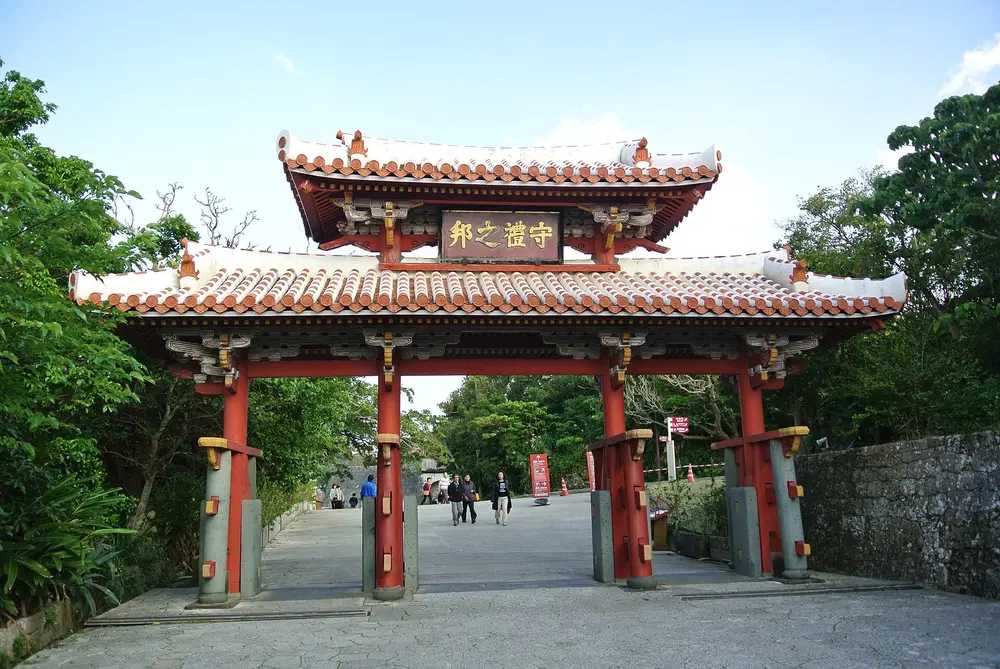
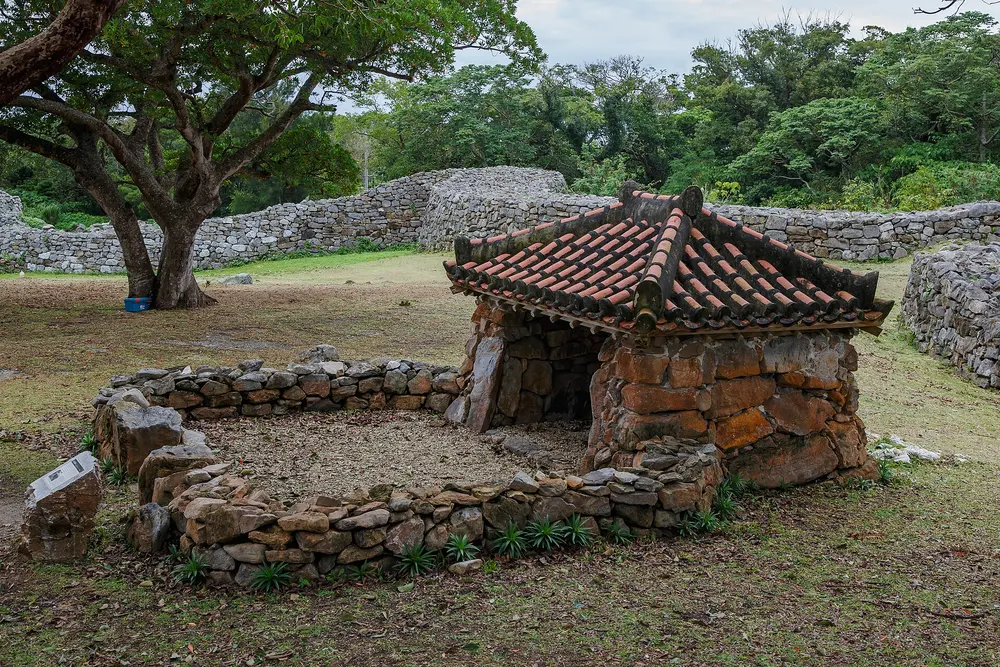
Sefa-utaki (斎場御嶽) was the most important sacred site of the Ryukyu Kingdom, where the kikoe-ōgimi, the chief priestess and usually the king's sister, was installed. A stone-paved path leads through dense forest to a series of ibi, natural places of worship at the foot of rocks, ending at Sangūi, where two huge leaning rocks form a triangular passage with a view across to Kudaka Island. It is a World Heritage site and is still used for prayer, so treat it as a place of worship: keep voices low and do not touch the altars.
Tickets are sold at the Nanjō City Local Products Center (Midori no Yakata Sēfa), about 200 m from the entrance. The site closes for two three-day rest periods each year, the first to third days of the fifth and tenth months of the lunar calendar, whose Western dates change every year, and parts of the site may be closed for conservation work. The admission fee was revised from 1 October 2026; check the Nanjō city tourism site before you go.
Sacred Sefa-utaki walk
A guided walk through Sefa-utaki, the holiest site of the Ryukyu Kingdom, in Nanjō.
Check availabilityBook via GetYourGuideNanjo Ozato spiritual and utaki hike
A hike to sacred groves (utaki) and spiritual sites in the Ōzato area of Nanjō.
Check availabilityBook via GetYourGuideTour listings are on GetYourGuide. Prices, times and cancellation terms are shown live on each listing and can change; Ryukyu.com may earn a commission at no extra cost to you.
Kudaka Island and the Chinen coast
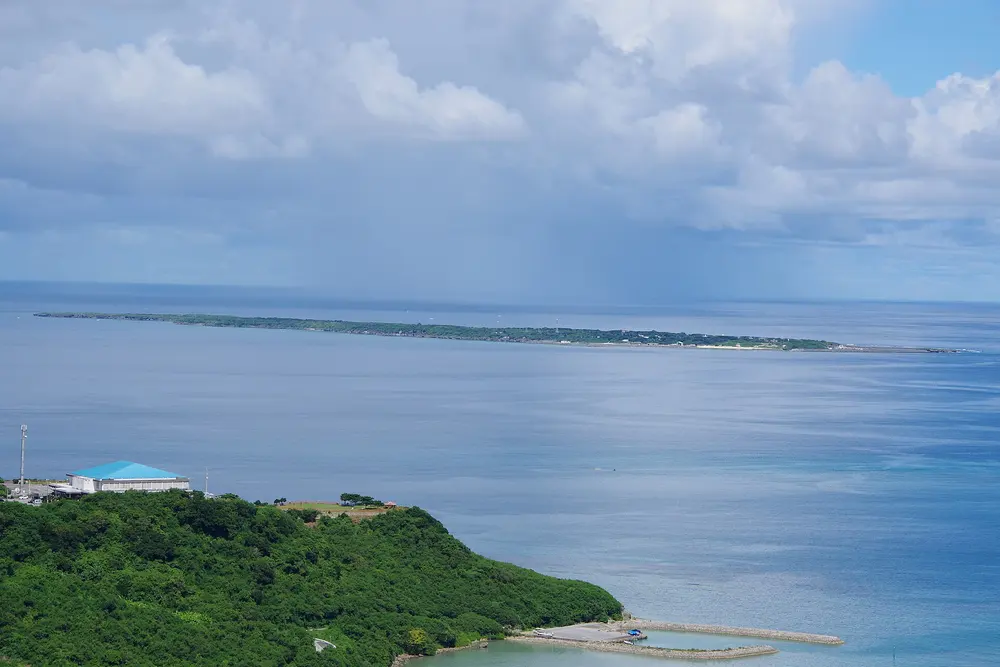
Kudaka Island (久高島), 'the island of the gods', is visible from Sangūi. Boats leave Azama Port, next to Azama Sunsun Beach, six times a day in each direction (high-speed boat about 15 minutes, ferry about 25 minutes, as checked November 2026). The island is small and flat enough to cycle, but parts of it are sacred and closed to visitors. See Kudaka and the southern islets for the timetable and the island's rules.
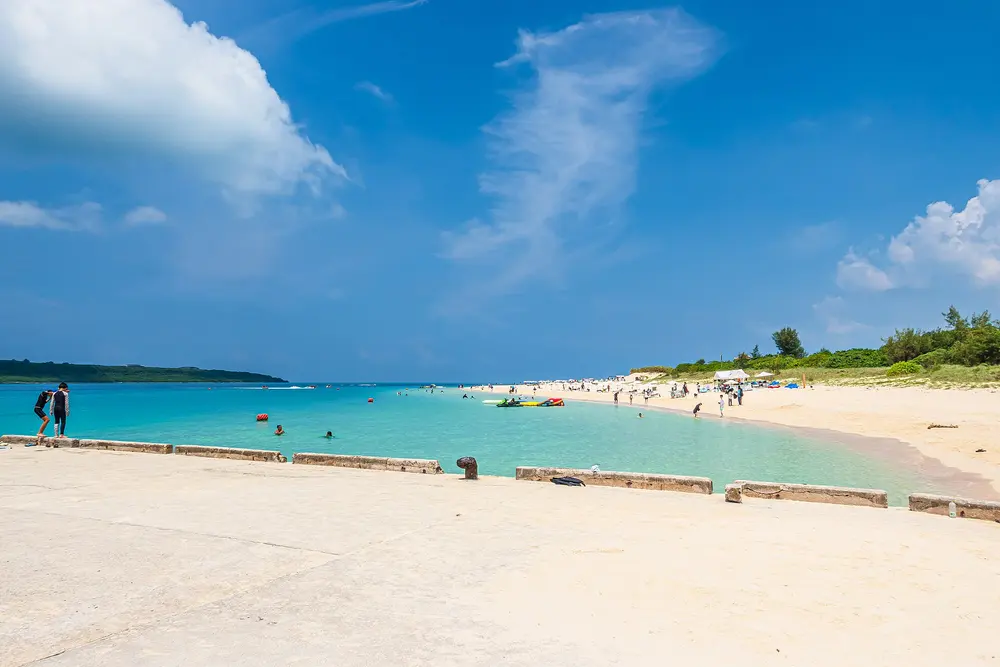
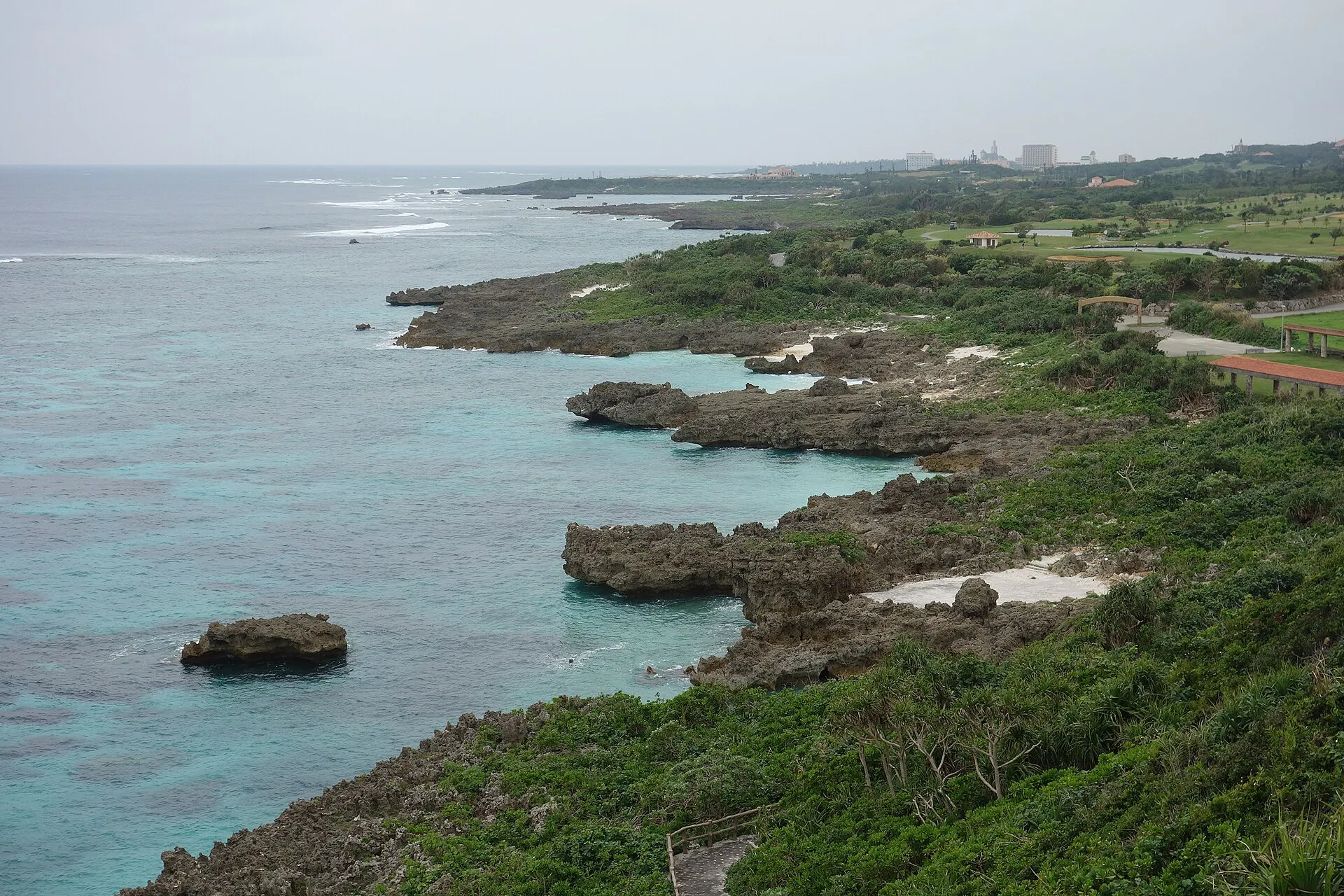
Along the coast, Chinen Cape Park is a grassy headland with Pacific views, and the hillside cafés of Chinen and Tamagusuku look over the sea. Mibaru Beach has glass-bottom boat trips over the reef, and Ōjima, a tiny island linked by a short bridge, is known for its tempura stands.
Sacred island tour to Kudaka's Ryukyuan holy sites
A guided visit to Kudaka Island and its Ryukyuan holy places, off the Nanjō coast.
Check availabilityBook via GetYourGuideMibaru Beach glass-bottom boat tour
A glass-bottom boat trip over the reef off Mibaru Beach in Nanjō.
Check availabilityBook via GetYourGuideTour listings are on GetYourGuide. Prices, times and cancellation terms are shown live on each listing and can change; Ryukyu.com may earn a commission at no extra cost to you.
Okinawa World and Gyokusendō
Okinawa World (おきなわワールド) in Nanjō combines Gyokusendō, a limestone cave about 5 km long of which roughly 890 m is open to visitors on a walkway among stalactites and underground pools, with the Ryukyu Kingdom Village of relocated traditional houses and craft workshops, a habu snake museum and an Eisa show. It is a good rainy-day stop. Next door, the Gangala Valley is a collapsed cave valley with a banyan forest and archaeological finds of early humans, visited only on guided tours.
Okinawa World ticket: Gyokusendo cave and habu museum
Admission to Okinawa World in Nanjō, with the Gyokusendō cave and the habu museum.
Check availabilityBook via GetYourGuideSouth Okinawa day trip incl. Okinawa World admission
A day trip to southern Okinawa including admission to Okinawa World.
Check availabilityBook via GetYourGuideTour listings are on GetYourGuide. Prices, times and cancellation terms are shown live on each listing and can change; Ryukyu.com may earn a commission at no extra cost to you.
The Peace Memorial Park at Mabuni
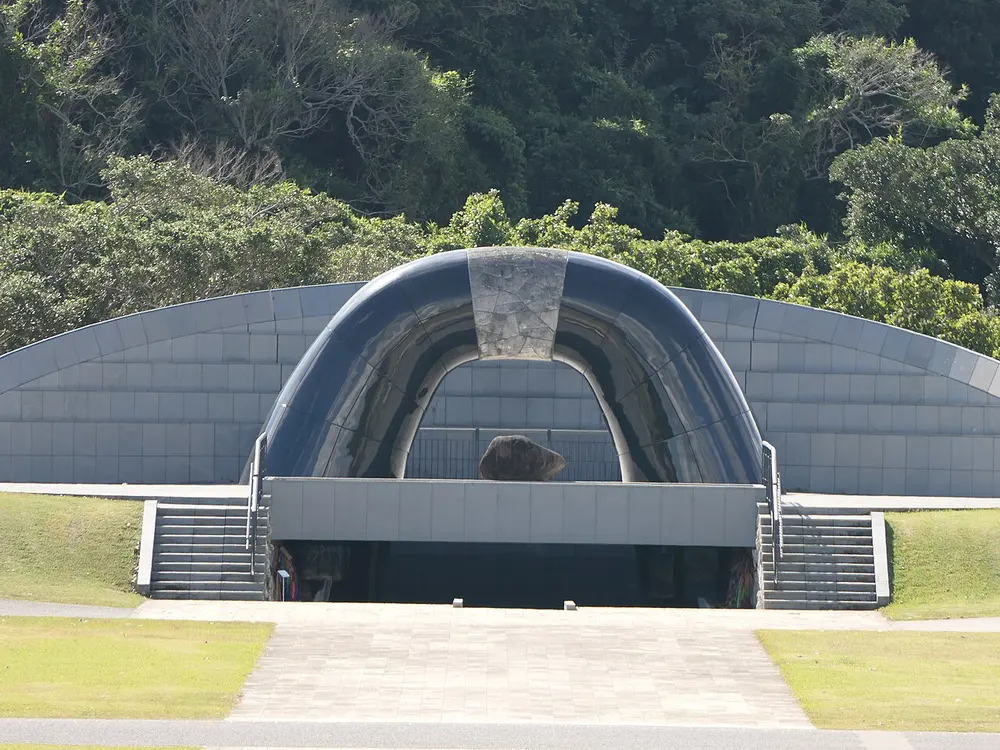
On the cliffs of Mabuni in Itoman, where the battle ended, the Okinawa Peace Memorial Park contains the Okinawa Prefectural Peace Memorial Museum, the Cornerstone of Peace (Heiwa no Ishiji) and the national cemetery and prefectural memorials. The Cornerstone of Peace, unveiled in 1995, lists the names of everyone who died in the Battle of Okinawa and related wartime events, regardless of nationality or whether they were soldiers or civilians; names are added every year, and the total stood at 242,659 on 23 June 2026 (Okinawa Prefecture). The museum tells the story of the battle from the perspective of Okinawan civilians, with testimonies, and of the US administration that followed.
Allow two to three hours. The museum charges a small admission fee (adults ¥300, as checked November 2026) and is planning a renovation; the reopening schedule has not been set. On 23 June the park hosts the Okinawa Memorial Day ceremony.
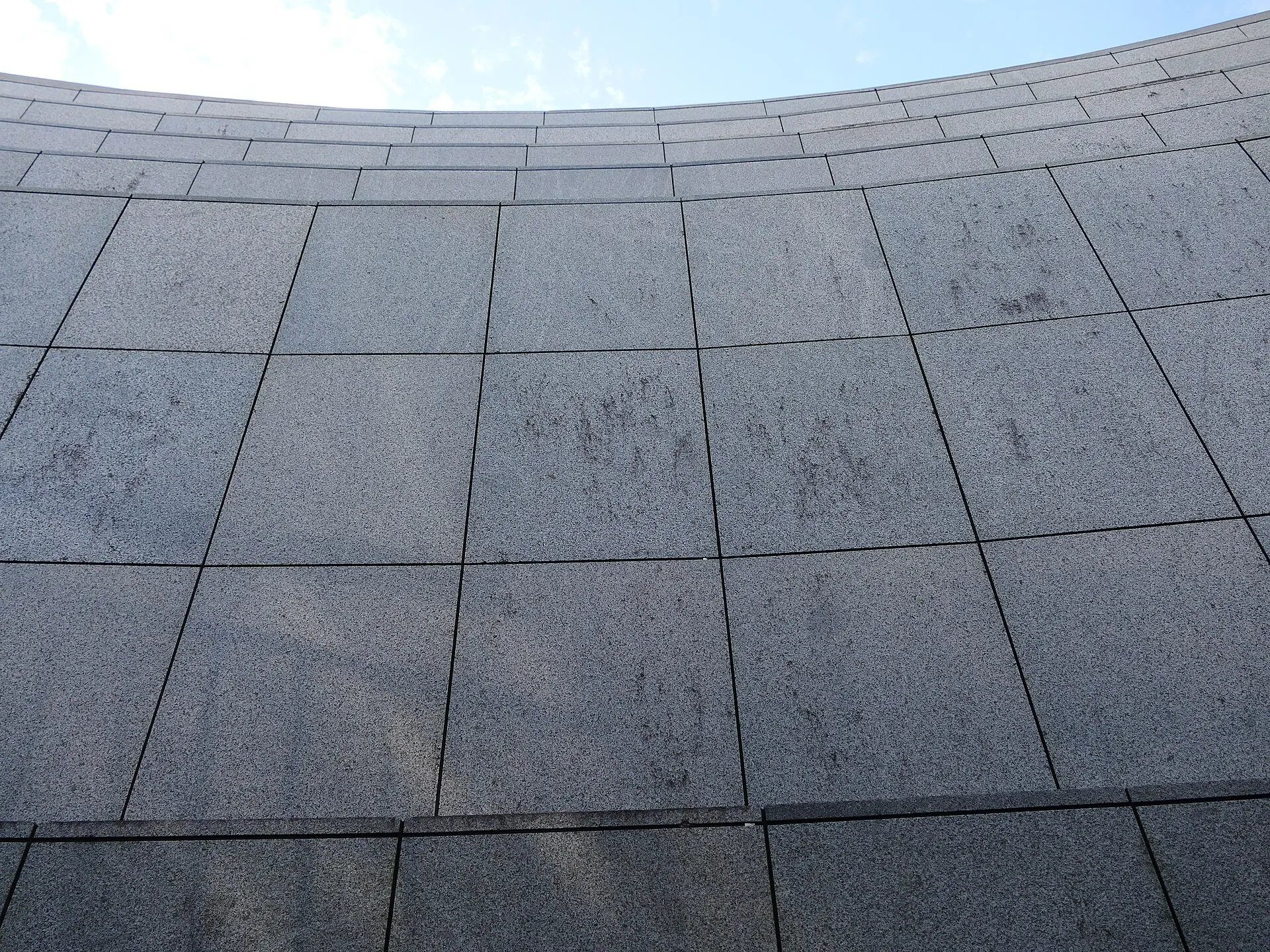
The Peace Memorial Park at Mabuni, Itoman.
Peace Memorial Museum and Cornerstone of Peace tour
A guided visit to the Okinawa Prefectural Peace Memorial Museum and the Cornerstone of Peace at Mabuni, Itoman.
Check availabilityBook via GetYourGuidePrivate WWII history tour with multilingual guide
A private tour of Okinawa's Second World War sites with a guide speaking several languages.
Check availabilityBook via GetYourGuideTour listings are on GetYourGuide. Prices, times and cancellation terms are shown live on each listing and can change; Ryukyu.com may earn a commission at no extra cost to you.
Himeyuri and the Navy Underground Headquarters
The Himeyuri Peace Museum, beside the Himeyuri Tower memorial in Itoman, was founded in 1989 by the alumnae of the two girls' schools whose students were mobilised as nurses for the Japanese army: 222 students and 18 teachers, of whom 136 died, most of them after the order to disband on 18 June 1945. Survivors' testimonies are at the centre of the exhibition. The museum is open daily (9:00–17:25, last admission 17:00) and closes when a typhoon approaches.
In Tomigusuku, the former Japanese Navy Underground Headquarters (旧海軍司令部壕) preserves part of the tunnels dug by the navy in 1944, including the room where Rear Admiral Ōta Minoru and his staff died in June 1945. Ōta's last telegram, asking that the Okinawan people be given special consideration in the future, is displayed in the museum. The tunnels are damp and narrow in places.
Himeyuri Memorial and Peace Museum guided tour
A guided visit to the Himeyuri memorial and peace museum in Itoman, remembering the student nurses of 1945.
Check availabilityBook via GetYourGuideNaha: the WWII Navy Underground Headquarters
A guided visit to the former Japanese Navy Underground Headquarters in Tomigusuku and its story of 1945.
Check availabilityBook via GetYourGuideTour listings are on GetYourGuide. Prices, times and cancellation terms are shown live on each listing and can change; Ryukyu.com may earn a commission at no extra cost to you.
Itoman and the coast
Itoman is a fishing town known for its sabani boats, traditional Okinawan fishing canoes, and for the Itoman Haarii dragon-boat races held in early summer. Its fish market by the harbour is a lively place for a seafood lunch. Cape Kyan, the southern tip of the island, has a peace memorial and cliffs. The reef flats off the coast are good for kayaking at high tide.
Kayak tour of the Itoman reef flats
Paddle a kayak over the reef flats off Itoman in southern Okinawa.
Check availabilityBook via GetYourGuideSabani sailing class in Itoman
Learn to sail a sabani, the traditional Okinawan fishing boat, in Itoman.
Check availabilityBook via GetYourGuideTour listings are on GetYourGuide. Prices, times and cancellation terms are shown live on each listing and can change; Ryukyu.com may earn a commission at no extra cost to you.
Getting there and where to stay
The south is 30–60 minutes from Naha by car. Buses from Naha Bus Terminal reach Itoman, the Peace Memorial Park and the Azama/Sefa-utaki area (the Tōyō Bus route 38 runs towards Azama), but connections are slow; a car or a day tour is more efficient. Most visitors stay in Naha. Nanjō has a few resorts and cliff-top guesthouses, quiet bases for early starts to Kudaka.
Frequently asked questions
Is it appropriate to visit the war memorials as a tourist?
Yes, and many Okinawans want visitors to learn what happened. Visit quietly, dress modestly, do not take selfies at the memorial stones, and follow the museums' photography rules.
When is Sefa-utaki closed?
For two rest periods a year, each three days long, on the first to third days of the fifth and tenth lunar months; the dates move every year, so check Nanjō city's official tourism site.
How long do I need for the south?
A full day covers Sefa-utaki, Okinawa World and the Peace Memorial Park. Add half a day for Kudaka Island.
Sources and official information
Facts were checked against these official sources in November 2026. Opening hours, prices and timetables change, so confirm before you go.
- peace-museum.okinawa.jp
- himeyuri.or.jp
- pref.okinawa.jp
- ryukyushimpo.jp
- kudakakaiun.jimdofree.com
- okinawa-nanjo.jp
- gyokusendo.co.jp
- kaigungou.ocvb.or.jp
- whc.unesco.org
Ryukyu.com is an independent guide, not the official site of any tourism board, government, airline, port or ferry operator. Some links are affiliate links: tours go to GetYourGuide and stays go to Booking.com, and we may earn a commission at no extra cost to you.