In short
- Same rules as the rest of Japan: there is no separate Okinawa visa; you clear immigration at Naha, Ishigaki or Miyako-Shimojishima, or at a cruise port.
- Visa-free short stays: Japan has visa-exemption arrangements with 74 countries and regions (MOFA, update of 1 September 2025), including Taiwan (passports with an ID number), South Korea, Hong Kong, Macao, Singapore, the USA, Canada, the UK, the EU and Australia, generally for up to 90 days of tourism.
- Mainland China: passport holders need a visa. Japan issues single-entry and multiple-entry tourist visas, including a multiple-entry visa linked to a first stay in Okinawa or Tohoku; apply through the visa channels of the Japanese embassy and consulates in China.
- JESTA: Japan's planned electronic travel authorisation for visa-exempt visitors was approved by the Diet on 29 May 2026 and is due to start in fiscal 2028 (by 31 March 2029). It is not required yet.
- Departure tax: Japan's International Tourist Tax rose to ¥3,000 per departure from 1 July 2026; it is normally included in your ticket.
The basics
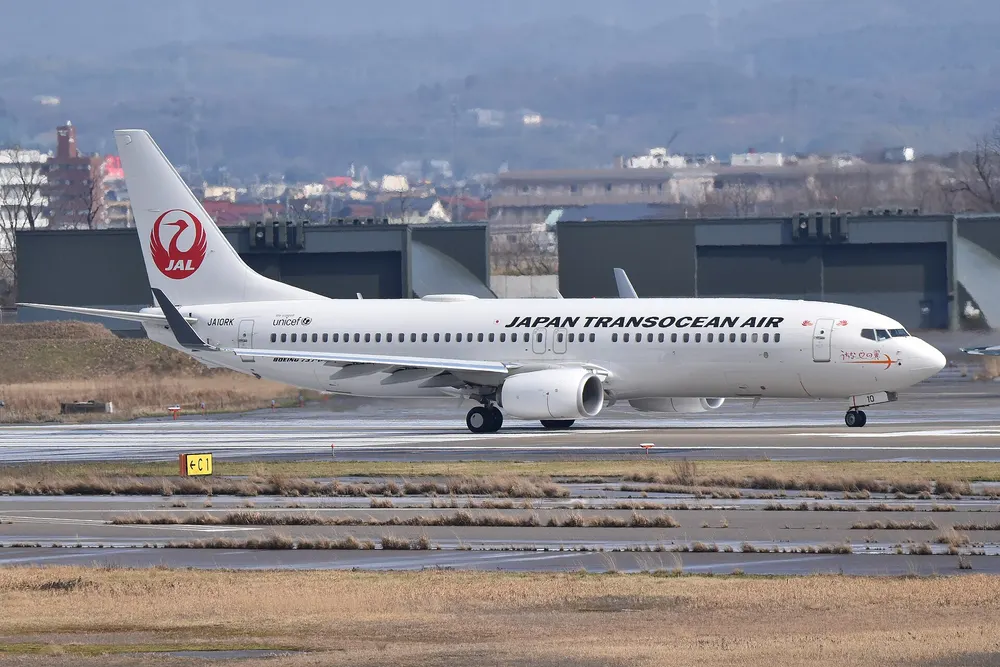
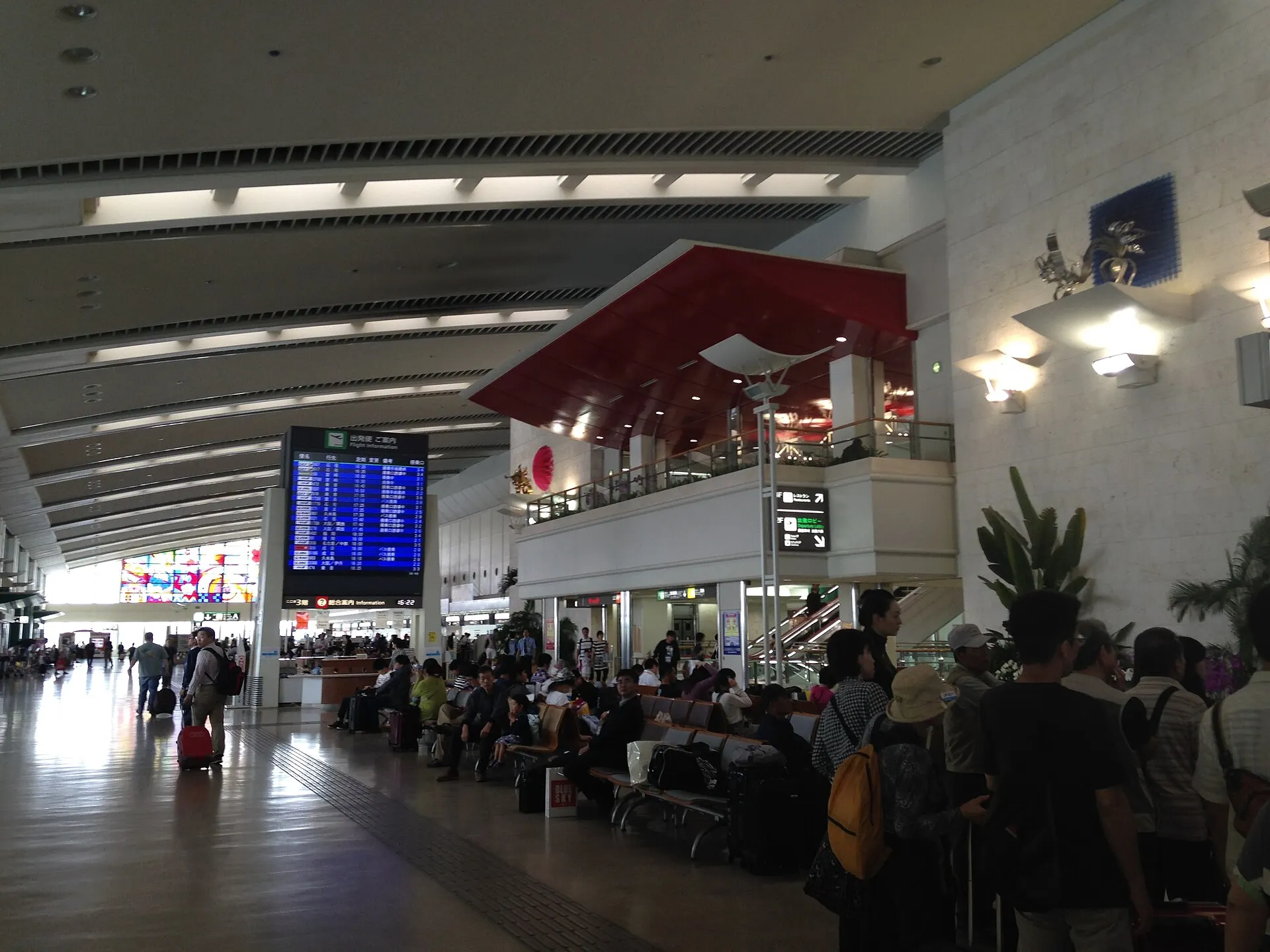
Okinawa Prefecture is part of Japan, and so are the Amami Islands in Kagoshima Prefecture, so the national rules of Japan's Ministry of Foreign Affairs (MOFA) and Immigration Services Agency (ISA) apply. International flights land at Naha, New Ishigaki and Miyako-Shimojishima airports (see getting there for routes as checked November 2026), and cruise ships clear immigration at Naha, Ishigaki and other ports. If you arrive in Tokyo or Osaka first, you clear immigration there and fly on to Okinawa as a domestic passenger.
This page summarises the rules as checked in November 2026. Entry rules change, and the official pages listed under sources are the authority: check them, or your nearest Japanese embassy or consulate, before you travel.
Visa-free countries and regions
Japan has reciprocal visa-exemption arrangements with 74 countries and regions for short-term stays (tourism, visiting friends and family, business meetings; no paid work). The permitted stay is usually 90 days, with exceptions. The list is on MOFA's 'Exemption of Visa (Short-Term Stay)' page; the version current in November 2026 was updated on 1 September 2025.
| Passport | Visa needed for tourism? | Typical stay | Notes |
|---|---|---|---|
| Taiwan | No | Up to 90 days | Passport must show the holder's personal ID number |
| South Korea | No | Up to 90 days | |
| Hong Kong (HKSAR and BN(O)) | No | Up to 90 days | |
| Macao (SAR) | No | Up to 90 days | |
| Singapore | No | Up to 90 days | |
| USA, Canada, UK, EU states, Australia, New Zealand | No | Up to 90 days | Some European nationals may extend to six months in Japan |
| Malaysia | No | Up to 90 days | ICAO-compliant ePassport |
| Thailand | No | Up to 15 days | ICAO-compliant ePassport; arrangement extended to 30 June 2027 |
| Indonesia | No | Up to 15 days | ePassport registered in advance with a Japanese mission in Indonesia |
| Brunei | No | Up to 30 days | |
| Mainland China | Yes | As stated on the visa | See below |
| Philippines, Vietnam, India and others not on the list | Yes | As stated on the visa | Some nationalities can use Japan's eVISA system; check MOFA |
Mainland Chinese passport holders
Holders of passports of the People's Republic of China need a visa for Japan. Tourist visas are applied for in China through the Japanese embassy and consulates, normally via designated travel agencies or visa application channels, depending on your place of residence. The main types are:
Group tourist visa (travelling with an agency tour), individual tourist single-entry visa, and multiple-entry tourist visas for applicants who meet income or travel-history conditions. Since 2011 Japan has offered a multiple-entry visa linked to Okinawa: MOFA's guidance describes multiple-entry individual tourist visas for travellers who stay at least one night in Okinawa Prefecture or a prefecture of the Tohoku region on their first trip, with the first itinerary and accommodation arranged by a Chinese travel agency. When the scheme was described in MOFA and press releases in 2016–2017, such visas were valid for three years with stays of up to 30 days each; the conditions have been revised several times since. In December 2024 Japan's foreign minister also announced a new ten-year multiple-entry tourist visa and longer stays on group visas for Chinese nationals.
Because the requirements (income proof, documents, which consulate) vary by place of residence and change from time to time, check the current guidance of the Japanese embassy or consulate responsible for your area, or a designated agency, before applying.
Chinese mainland driving licences cannot be used to drive in Japan; see car rental.
Arriving: Visit Japan Web, fingerprints and customs
Visit Japan Web is the government's online service for arrival procedures: register before your flight and you get QR codes for the immigration and customs declarations, which speed up arrival at the airport. It is free and works for arrivals at Naha, Ishigaki and Shimojishima too. Unofficial sites charge fees for the same thing; use only the official address (vjw-lp.digital.go.jp).
On arrival, foreign visitors have fingerprints and a photograph taken at immigration. Customs allowances for alcohol and tobacco, and the rules on medicines, are set nationally: some common cold and allergy medicines that contain stimulants are prohibited, and larger quantities of prescription medicine may need a certificate in advance (yakkan shōmei). Check the Ministry of Health and Customs pages if you travel with medication.
If you transit Japan to Okinawa on a domestic flight, collect your bags and clear customs at your first airport of arrival.
- Check your passport validity and whether your nationality is visa-exempt on MOFA's list.
- If you need a visa, apply in your country of residence well ahead of travel.
- Register on Visit Japan Web before departure and keep the QR codes on your phone.
- On arrival, give fingerprints and a photo at immigration, then show the customs QR code.
- Keep your passport with you: hotels must record foreign guests' passport details, and you need it for tax-free shopping.
Cruise passengers
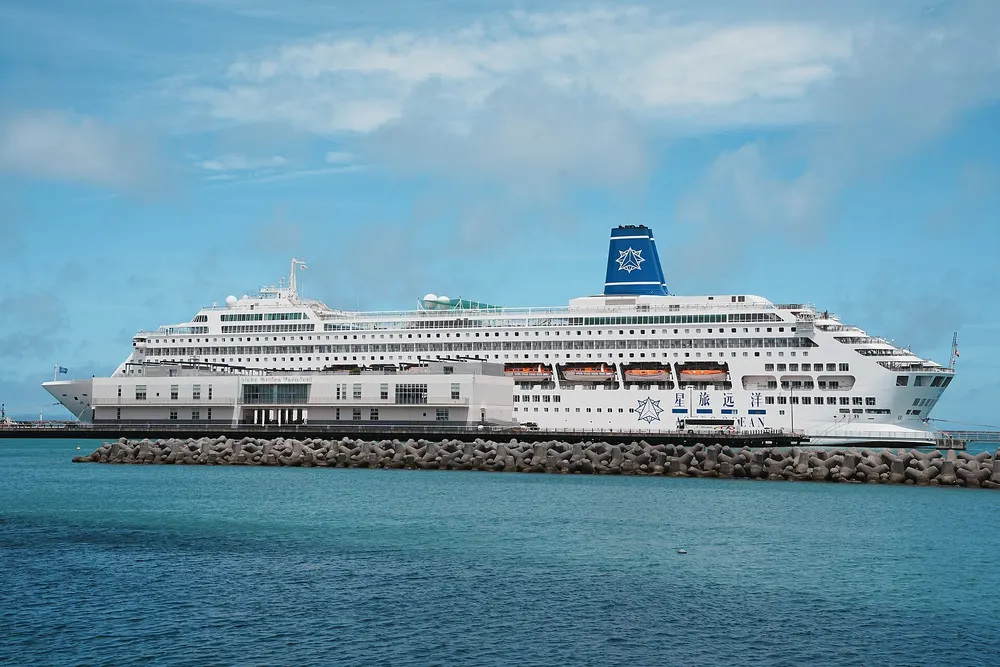
Naha and Ishigaki are regular calls for cruises from Taiwan and elsewhere. Passengers on cruise ships designated by Japan's immigration authorities may be allowed ashore under a special cruise-passenger landing permission handled by the cruise line, even if their nationality normally needs a visa; ask your cruise line what applies to you. See cruises for the ports.
JESTA: the electronic travel authorisation that is coming
Japan is introducing JESTA, an electronic travel authorisation similar to the US ESTA or the European ETIAS, for travellers who are visa-exempt. Under an amendment to the Immigration Control Act approved by the cabinet on 10 March 2026 and enacted by the House of Councillors on 29 May 2026, visa-exempt visitors will have to apply online before travelling, and airlines will have to refuse boarding to passengers without approval. The government's target is to start in fiscal 2028, that is by 31 March 2029 at the latest; the fee and the exact start date had not been set when checked in November 2026.
Until JESTA starts, no authorisation is needed. Be wary of websites that offer to 'apply' for JESTA now; only the Immigration Services Agency will run the official system.
Departure tax and tax-free shopping
Japan's International Tourist Tax is charged on every departure from Japan by air or sea. It rose from ¥1,000 to ¥3,000 per departure from 1 July 2026; airlines and cruise lines collect it in the fare. Children under two and transit passengers leaving within 24 hours are among the exemptions.
Tax-free shopping changed on 1 November 2026: shops now charge consumption tax at the till, and visitors get a refund after customs confirm at departure that the goods are leaving Japan, within 90 days of purchase. The travel tips page explains how it works.
Frequently asked questions
Do I need a visa to visit Okinawa from Taiwan?
No, Taiwanese passport holders whose passport shows a personal ID number can visit Japan, including Okinawa, without a visa for up to 90 days of tourism.
Do Korean citizens need a visa for Okinawa?
No. South Korean passport holders can visit visa-free for up to 90 days for tourism.
Do Chinese citizens need a visa for Okinawa?
Yes, mainland Chinese passport holders need a Japanese visa. A multiple-entry visa linked to a first stay in Okinawa or Tohoku is one of the options; check the Japanese consulate for your area.
Do I need JESTA for Japan now?
No. JESTA was approved in May 2026 and is due to start by March 2029; until then no electronic authorisation is required.
Is there a separate entry permit for Okinawa or Amami?
No. Once you are in Japan you can travel to any island freely. Some places within islands, such as restricted areas on Iriomote, have their own visitor rules.
Sources and official information
Facts were checked against these official sources in November 2026. Opening hours, prices and timetables change, so confirm before you go.
- mofa.go.jp
- mofa.go.jp
- mofa.go.jp
- mofa.go.jp
- ryukyushimpo.jp
- travelvoice.jp
- moj.go.jp
- travel.watch.impress.co.jp
- jcp.or.jp
- nationthailand.com
- vjw-lp.digital.go.jp
- mlit.go.jp
- mlit.go.jp
Ryukyu.com is an independent guide, not the official site of any tourism board, government, airline, port or ferry operator. Some links are affiliate links: tours go to GetYourGuide and stays go to Booking.com, and we may earn a commission at no extra cost to you.