In short
- Origins: karate grew out of te, a fighting art of the Ryukyu Kingdom's gentry, combined with Chinese martial arts learned in Fuzhou. The name 'karate', 'empty hand', was adopted by Okinawan masters at a meeting on 25 October 1936, now Okinawa's Karate Day.
- Styles: the main Okinawan schools are Shōrin-ryū (from Shuri-te), Gōjū-ryū (from Naha-te, founded by Chōjun Miyagi) and Uechi-ryū, plus kobudō, the weapons arts.
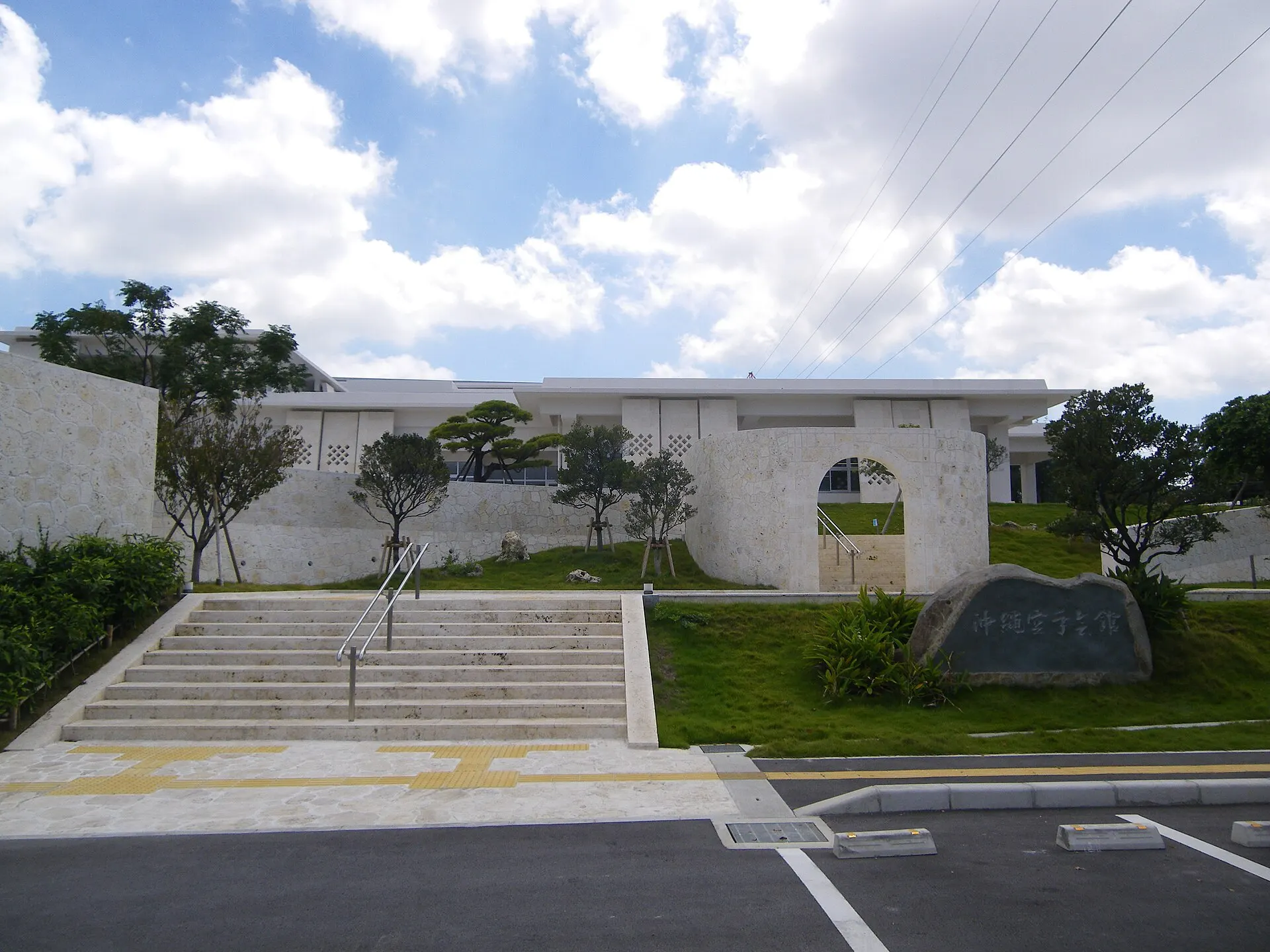
- Visit: the prefecture's Okinawa Karate Kaikan in Tomigusuku, opened in 2017, has an exhibition, a reference room and dojo halls (exhibition 9:00–18:00, closed Wednesdays, as checked November 2026).
- Train: the Okinawa Karate Information Center (okic.okinawa) helps overseas practitioners find a dojo; a guided Goju-ryu heritage tour is bookable on GetYourGuide.
Why Okinawa is karate's home
Over a hundred million people practise karate worldwide, according to figures cited by Okinawa Prefecture, and many of them eventually make the trip to the islands where it began. Karate was not invented in mainland Japan: it developed in the Ryukyu Kingdom, was introduced to Tokyo only in the 1920s, and was named, codified and spread worldwide by Okinawan teachers in the 20th century.
The prefecture's own account traces it to te (手, 'hand'), a self-defence art practised by the gentry of the kingdom, to which visiting Chinese experts and Ryukyuans who studied in China added the techniques of southern Chinese boxing. A record of 1721 by a Chinese envoy mentions a Ryukyuan fist-fighting art, suggesting that te was already established by then. The popular story that karate developed because weapons were banned in the kingdom is widely repeated, but historians treat it with caution.
From te to karate: a short history
In the 19th century three local traditions were named after the towns where they were taught: Shuri-te, Naha-te and Tomari-te. Kanryō Higaonna of Naha studied for years in Fuzhou and returned to teach a style that became Naha-te. In Shuri, masters such as Ankō Itosu systematised the forms (kata) and, from 1901, had karate taught in Okinawan schools, which brought it out of private family instruction.
In 1922 Gichin Funakoshi, a schoolteacher from Shuri, demonstrated karate in Tokyo and stayed to teach at universities; his line became Shōtōkan. Chōjun Miyagi, Higaonna's student, founded Gōjū-ryū and taught in Hawaii in 1934. On 25 October 1936 leading Okinawan masters met in Naha and agreed to write the art's name with the characters 空手, 'empty hand', instead of 唐手, 'Chinese hand'. Okinawa Prefecture designated 25 October as Karate Day in 2005.
After the war, American servicemen who trained in Okinawan dojo took karate to the United States, and Okinawan emigrants took it to South America and Hawaii. Karate made its Olympic debut at Tokyo 2020, where Ryo Kiyuna of Okinawa City won the men's kata gold.
- 1721
Earliest record
A Chinese envoy's account mentions a Ryukyuan fist-fighting art.
- 1901
Into schools
Karate is taught at a Shuri school, under Ankō Itosu.
- 1922
To Tokyo
Gichin Funakoshi demonstrates karate in Tokyo and stays to teach.
- 1936
The name
On 25 October Okinawan masters adopt the characters for 'empty hand'.
- 2005
Karate Day
Okinawa designates 25 October as Karate Day.
- 2017
Karate Kaikan
The Okinawa Karate Kaikan opens in Tomigusuku on 4 March.
- 2021
Olympic gold
Ryo Kiyuna wins kata gold at the Tokyo 2020 Games.
- 2026
World tournament
The 3rd Okinawa Karate World Tournament is held in Ginowan, 30 July–2 August.
The main Okinawan styles
Okinawan karate generally stresses kata, conditioning and self-defence application rather than sport competition, though sport karate is also strong in the prefecture. Many Okinawan teachers run small neighbourhood dojo (machi-dōjō) in the evenings after their day jobs.
| Style | Roots | Character | Founder or key figure |
|---|---|---|---|
| Shōrin-ryū (several branches) | Shuri-te and Tomari-te | Fast, linear, natural stances | Lineages from Sōkon Matsumura, Ankō Itosu, Chōtoku Kyan |
| Gōjū-ryū | Naha-te | 'Hard and soft': circular blocks, breathing, close range | Chōjun Miyagi, student of Kanryō Higaonna |
| Uechi-ryū | Southern Chinese boxing studied in Fuzhou | Compact, conditioning, three-section kata | Kanbun Uechi, from Motobu |
| Kobudō | Ryukyuan weapons arts | Bō staff, sai, tonfa, nunchaku, eku (oar) | Taught alongside many karate schools |
The Okinawa Karate Kaikan
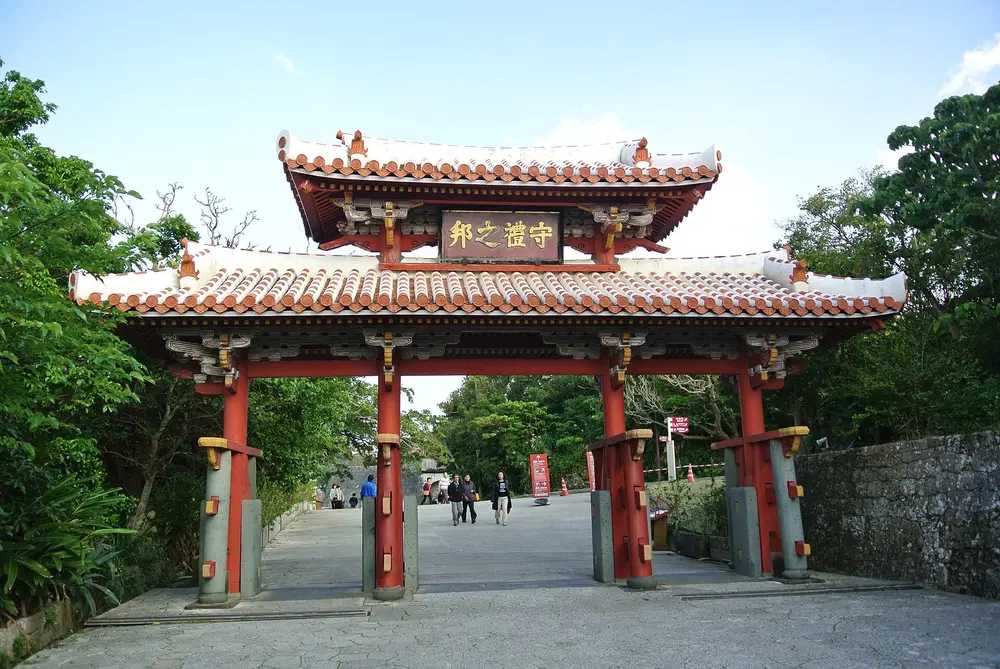
Opened by Okinawa Prefecture on 4 March 2017 on a hill in Tomigusuku, south of Naha, the Karate Kaikan is a building in the style of a Ryukyuan gusuku with a training hall, the special Shureikan dojo designed like a hall of the kingdom, a training room, an outdoor training area, a reference room with an exhibition on karate's history and a karate experience corner and video theatre, plus a café and a shop.
As checked in November 2026, the dojo facilities are open 9:00–21:00 and the exhibition facility 9:00–18:00 (last entry 17:30), closed every Wednesday; the reference room charges an admission fee (see the official site, karatekaikan.jp). It is reached from Naha by Yui Rail and a local bus, or by car from the airport (a short drive south).
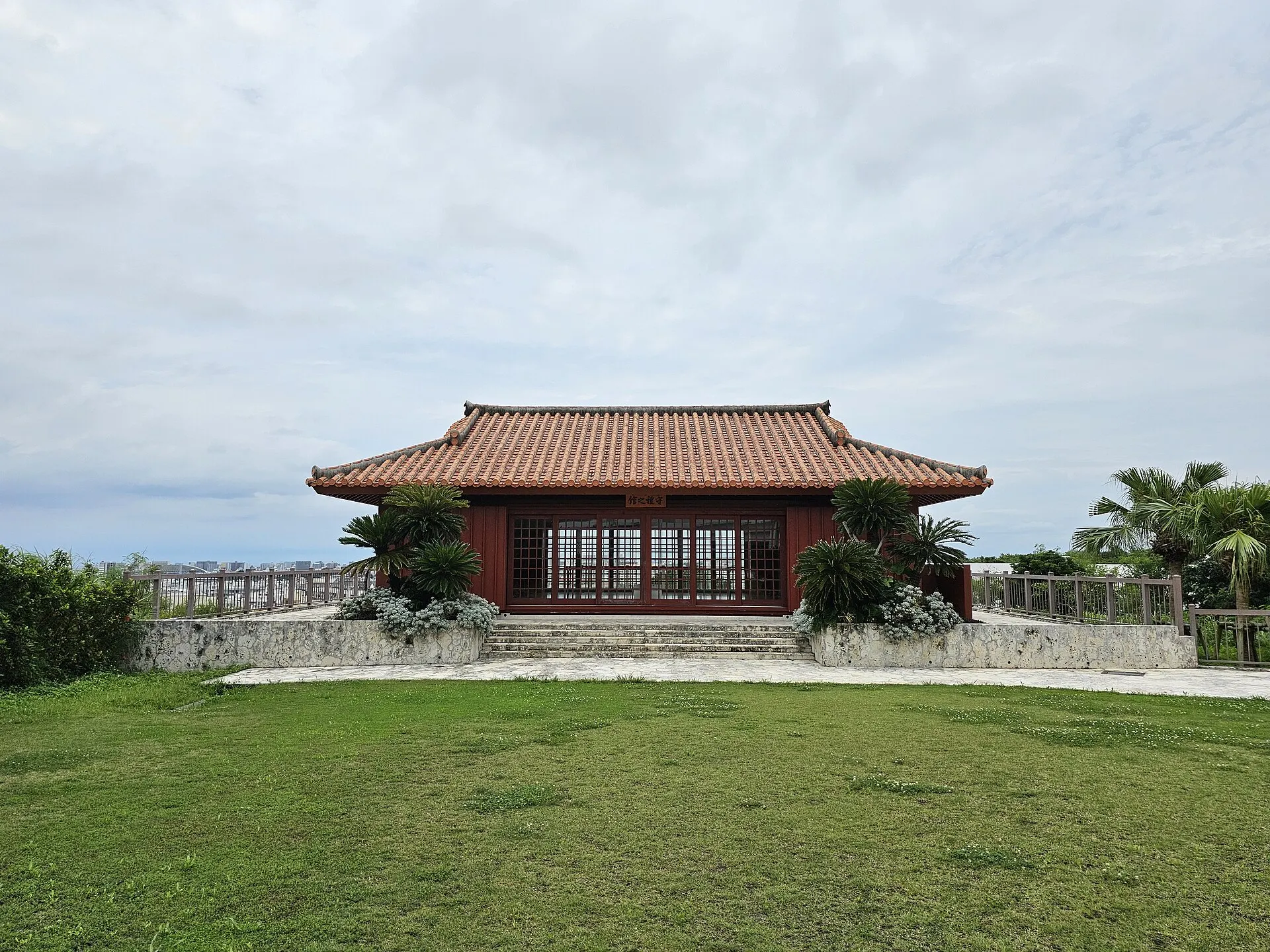
The traditional-style dojo at the Okinawa Karate Kaikan.
Training in an Okinawan dojo
Many visitors want to train with an Okinawan teacher, even for a few sessions. The prefecture's Okinawa Karate Information Center (okic.okinawa) answers enquiries in Japanese and English by phone, e-mail and form, and introduces overseas practitioners to dojo across the islands; it is the best first contact if you do not already have a link through your own association.
If you train in your home country, ask your teacher first: Okinawan dojo usually welcome visitors from their own lineage and expect an introduction. Arrange visits weeks in advance, bring your own gi, and ask about fees beforehand. Dojo etiquette is formal: bow when entering and leaving, follow the senior students, and do not film without permission.
Every four years Okinawa holds the Okinawa Karate World Tournament, which combines competition, demonstrations and seminars with Okinawan masters; the 3rd edition took place on 30 July–2 August 2026 at the Okinawa Convention Center in Ginowan, with participants registered from 49 countries and regions, according to the organisers. During the surrounding 'Okinawa Karate Week' the Karate Kaikan was opened free of charge.
Planning a karate trip to Okinawa
Most visiting practitioners base themselves in Naha, where many dojo, the Budōkan and the Karate Kaikan are within reach by monorail, bus or a short drive, and combine training in the evenings with sightseeing by day. Training is hard work in Okinawa's heat and humidity: from June to September, sessions in un-air-conditioned dojo are exhausting, so drink far more than you think you need. The cooler months from November to March are the most comfortable for training, and coincide with Karate Day and the autumn festivals.
Non-practitioners can still enjoy karate culture: the Kaikan's exhibition explains the history clearly in English, demonstrations are staged at festivals and some hotels, and the experience corner lets children try basic movements. Kobudō demonstrations, with the staff, sai and the eku oar of Ryukyuan fishermen, are spectacular and often part of the same programmes.
- Ask your own teacher or association for an introduction to an Okinawan dojo in your lineage; if you have none, write to the Okinawa Karate Information Center (okic.okinawa) two months or more before you travel.
- Agree dates, session times and fees in advance; many teachers train only in the evenings and on some weekdays.
- Pack your gi, belt and a small gift from home; it is customary but not required.
- Plan a visit to the Karate Kaikan on a day other than Wednesday, when it is closed.
- If your dates are flexible, look at Karate Day (25 October) events, or the four-yearly Okinawa Karate World Tournament (next edition not yet announced; the 3rd was in 2026).
Book a karate heritage tour
For a visitor without dojo contacts, a guided tour is the easiest way into karate's history. The listing below visits the places linked to the founding of Gōjū-ryū in Naha.
Pilgrimage to the home of Goju-ryu karate
A visit to the places in Naha connected with the origins of Gōjū-ryū karate.
Check availabilityBook via GetYourGuideTour listings are on GetYourGuide. Prices, times and cancellation terms are shown live on each listing and can change; Ryukyu.com may earn a commission at no extra cost to you.
Frequently asked questions
Can I train karate in Okinawa as a visitor?
Yes. Contact the Okinawa Karate Information Center (okic.okinawa) or ask your own teacher for an introduction, and arrange sessions in advance.
When is Karate Day?
25 October, the date in 1936 when Okinawan masters agreed on the name karate ('empty hand'). Okinawa designated it in 2005.
Where is the Okinawa Karate Kaikan?
In Tomigusuku, south of Naha. The exhibition is open 9:00–18:00 and the building is closed on Wednesdays (as checked November 2026).
Which karate styles come from Okinawa?
Shōrin-ryū, Gōjū-ryū and Uechi-ryū among others, plus kobudō weapons arts. Shōtōkan, the most widespread style worldwide, descends from Okinawan Gichin Funakoshi.
Sources and official information
Facts were checked against these official sources in November 2026. Opening hours, prices and timetables change, so confirm before you go.
- karatekaikan.jp
- pref.okinawa.jp
- pref.okinawa.jp
- pref.okinawa.jp
- ryukyushimpo.jp
- okic.okinawa
- okinawa-karate.okinawa
- prtimes.jp
Ryukyu.com is an independent guide, not the official site of any tourism board, government, airline, port or ferry operator. Some links are affiliate links: tours go to GetYourGuide and stays go to Booking.com, and we may earn a commission at no extra cost to you.