In short
- Best all-round: the Kerama Islands, a national park 20–40 km west of Naha, with clear water, coral gardens and sea turtles, reachable on day boats from Naha.
- Easiest from a resort: the Blue Cave at Cape Maeda in Onna, the Manza area and Motobu's Gorilla Rock; tours run daily when the sea allows.
- Specialist trips: Miyako for caverns and arches, Ishigaki for manta rays, Yonaguni for hammerhead sharks in winter and its controversial underwater rock formations.
- Safety: use a licensed operator, respect reef currents, wear protection in box-jellyfish season (June–September), and leave at least 18 hours between your last dive and a flight (common diving guidance).
Why the Ryukyus are special underwater
The Ryukyu Islands sit on the path of the Kuroshio, the warm current that flows north past Taiwan, and are surrounded by fringing coral reefs. The result is the richest coral reef ecosystem in Japan: hundreds of species of hard coral, sea turtles in shallow water, manta rays and, in places, sharks. Visibility is often 20 m or more around the outer islands, and the water stays warm enough for diving all year, from about 21–22 °C in late winter to around 29 °C in summer.
The reefs are also under strain. Japan's largest coral reef, the Sekisei Lagoon between Ishigaki and Iriomote, suffered severe bleaching in 2016 and again in later hot summers, according to the Ministry of the Environment's monitoring. Crown-of-thorns starfish outbreaks and run-off from land add pressure. How you behave in the water matters: see the coral-care section below.
Kerama Islands
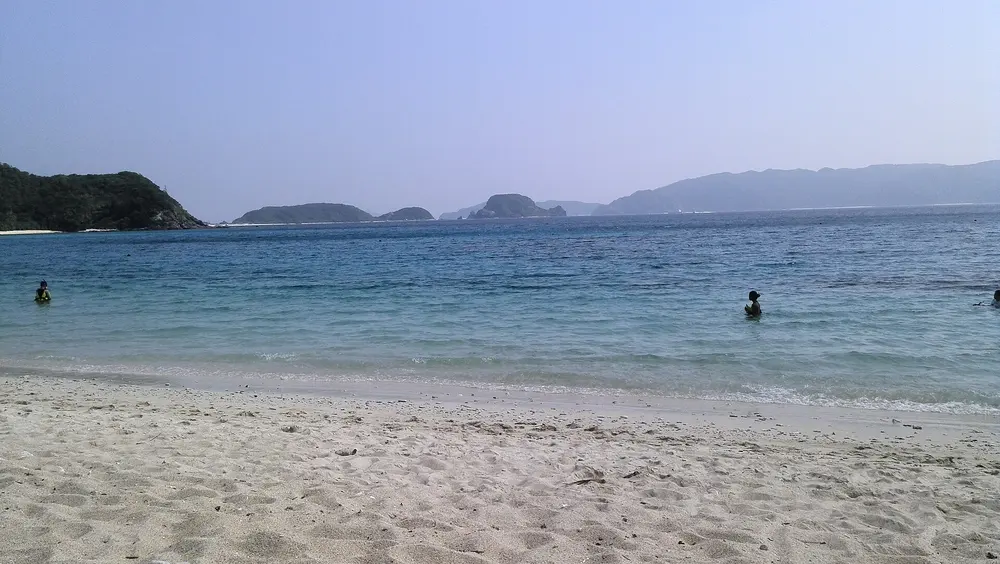
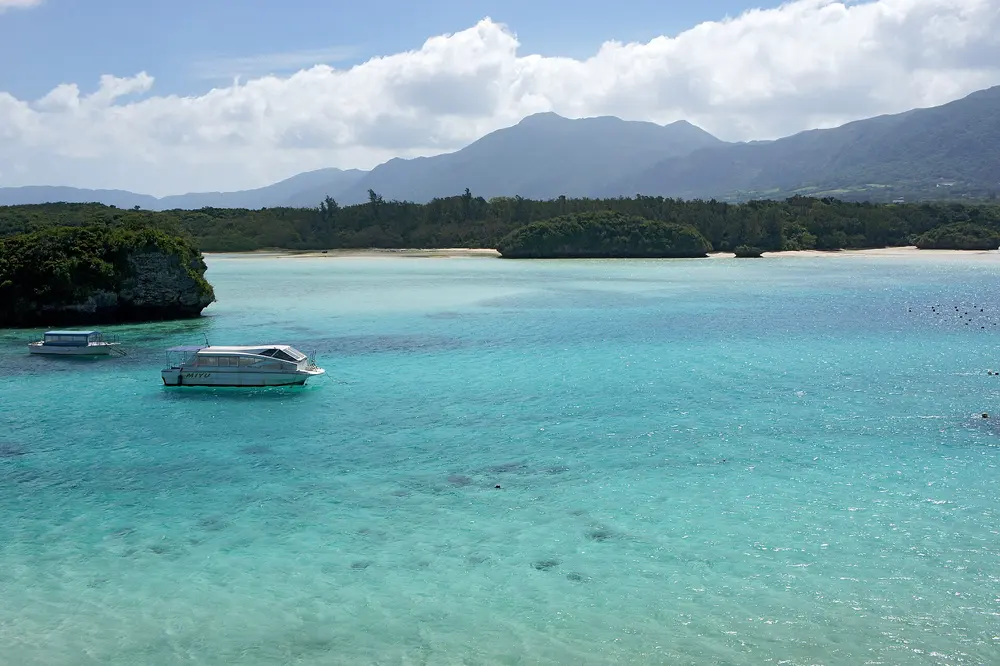
The Kerama Islands (Zamami, Tokashiki, Aka and many uninhabited islets) became Kerama Shotō National Park in 2014, its sea area protected for its coral. The so-called 'Kerama blue' water, shallow coral gardens and resident green and hawksbill turtles make it the first choice for most divers and snorkellers in Okinawa. From late December to early April, divers can sometimes hear humpback whales singing underwater.
Day boats leave from Naha (Tomari and other harbours) with two or three dives or snorkel stops, lunch and equipment, so you do not need to stay on the islands, although an overnight on Zamami or Aka gives calmer, earlier dives. Trips for certified divers and introductory 'try dives' for beginners are both widely offered. See the Kerama guide for sites and ferries.
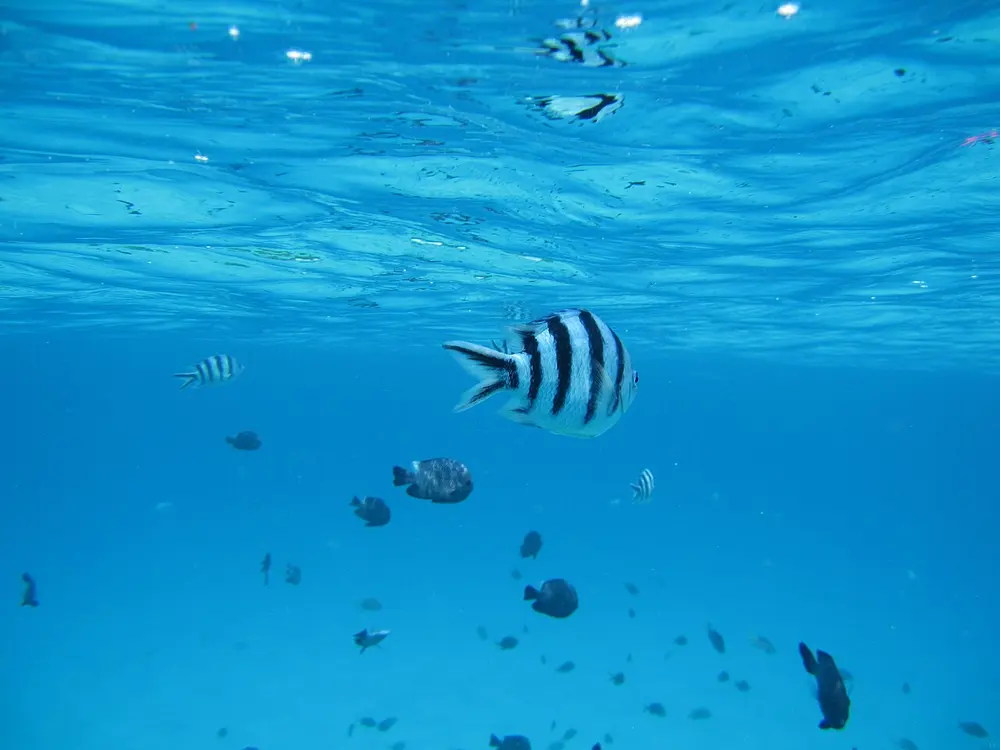
Naha: Kerama Islands snorkelling day trip with lunch
Full-day boat trip from Naha to snorkel in the Kerama Islands, with lunch included.
Check availabilityBook via GetYourGuideFrom Naha: Kerama Islands snorkelling boat tour
A boat trip from Naha to snorkel at Kerama Islands reefs.
Check availabilityBook via GetYourGuideCertified scuba diving trip to the Kerama Islands
Boat dives in the Kerama Islands from Naha for certified divers.
Check availabilityBook via GetYourGuide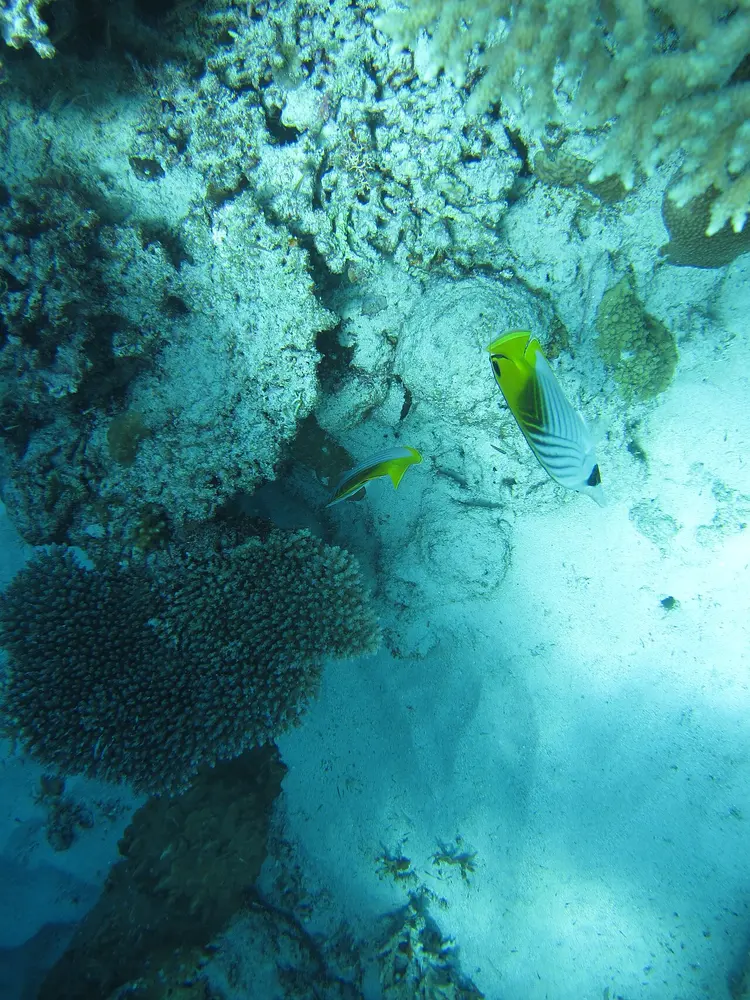
Kerama Islands full-day intro diving trip
A full day from Naha with introductory dives in the Kerama Islands; no licence needed.
Check availabilityBook via GetYourGuideTour listings are on GetYourGuide. Prices, times and cancellation terms are shown live on each listing and can change; Ryukyu.com may earn a commission at no extra cost to you.
Okinawa Main Island: the Blue Cave, Manza and Motobu
The Blue Cave (Ao no Dōkutsu) at Cape Maeda in Onna is a sea cave in which sunlight reflected off the white sand floor makes the water glow blue. It is the single most popular snorkel and dive site in Okinawa, reached by boat or by a short walk and swim from the cape, and many operators run several trips a day. It closes when waves are high, which is frequent in winter northerly winds; operators then move to sheltered sites.
Other main-island highlights include the Manza area (the Dream Hole and wreck dives, both offered as tours), Gorilla Rock in Motobu (named for its shape), Minna and Sesoko islands off Motobu for boat snorkelling, and the Sunabe seawall in Chatan, a popular shore-diving entry with easy access. The Okinawa beaches and diving guide and Onna coast pages have more.
Blue Cave boat snorkelling with free GoPro photos
Snorkel the Blue Cave by boat, with GoPro photos included per the listing title.
Check availabilityBook via GetYourGuideBlue Cave intro dive with boat ride
An introductory dive at the Blue Cave in Onna, reached by boat; no licence needed.
Check availabilityBook via GetYourGuideCape Manza boat dives: coral reef and Dream Hole
Boat dives off Cape Manzamo, including the coral reef and the Dream Hole.
Check availabilityBook via GetYourGuideGorilla Rock snorkelling and scuba diving
Snorkel or dive at Gorilla Chop (Gorilla Rock) on the Motobu Peninsula.
Check availabilityBook via GetYourGuideTour listings are on GetYourGuide. Prices, times and cancellation terms are shown live on each listing and can change; Ryukyu.com may earn a commission at no extra cost to you.
Miyako: caverns, arches and turtles
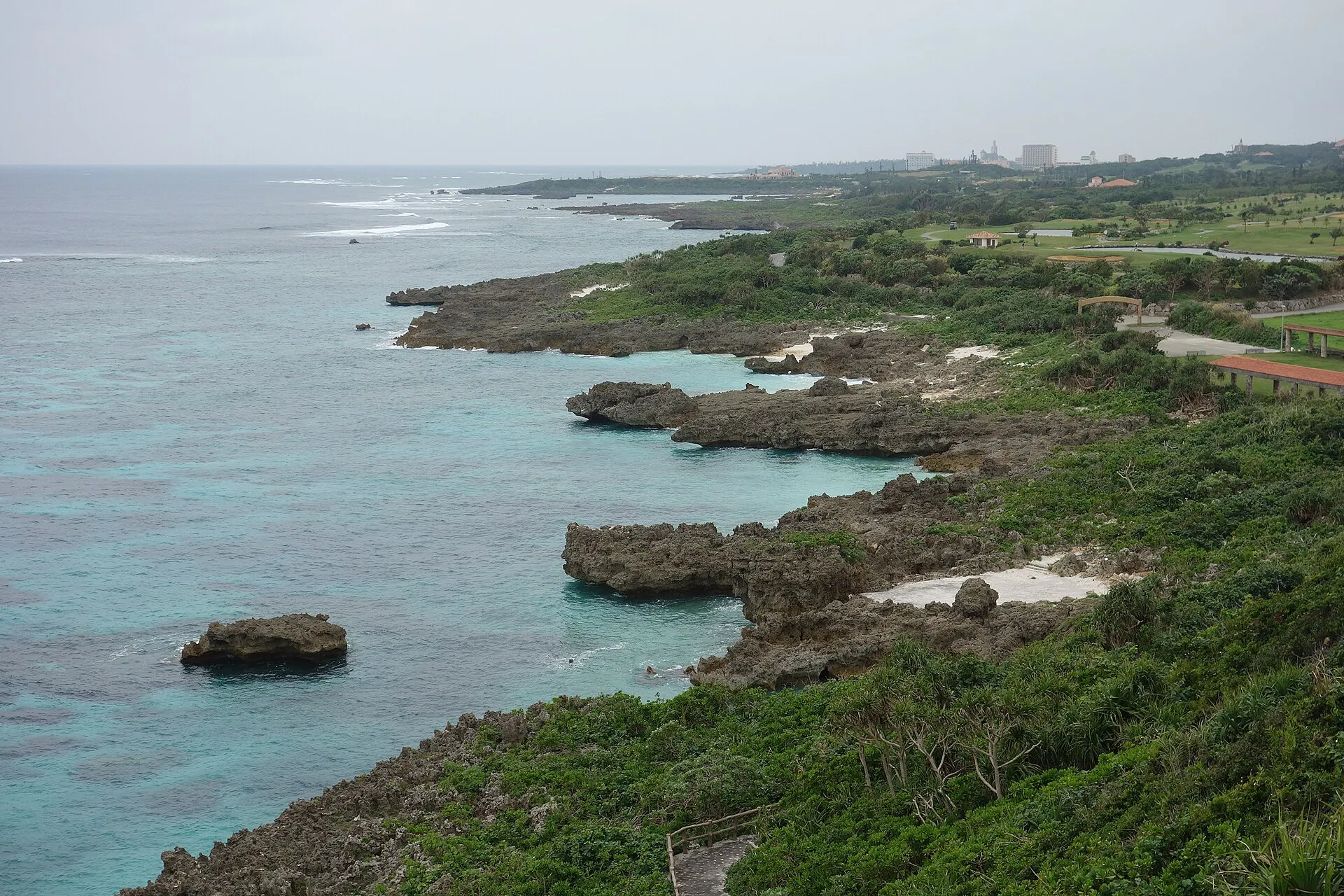
Miyako is a raised coral limestone island with no rivers, which means exceptionally clear water. Its signature dives are underwater caverns and arches off Irabu and Shimoji, where light beams fall through openings in the rock; these are dives for certified divers with an experienced guide. Snorkellers come for the turtles, which graze close to shore at several beaches, and for the coral at sheltered spots such as Aragusuku. See the Miyako beaches and diving guide.
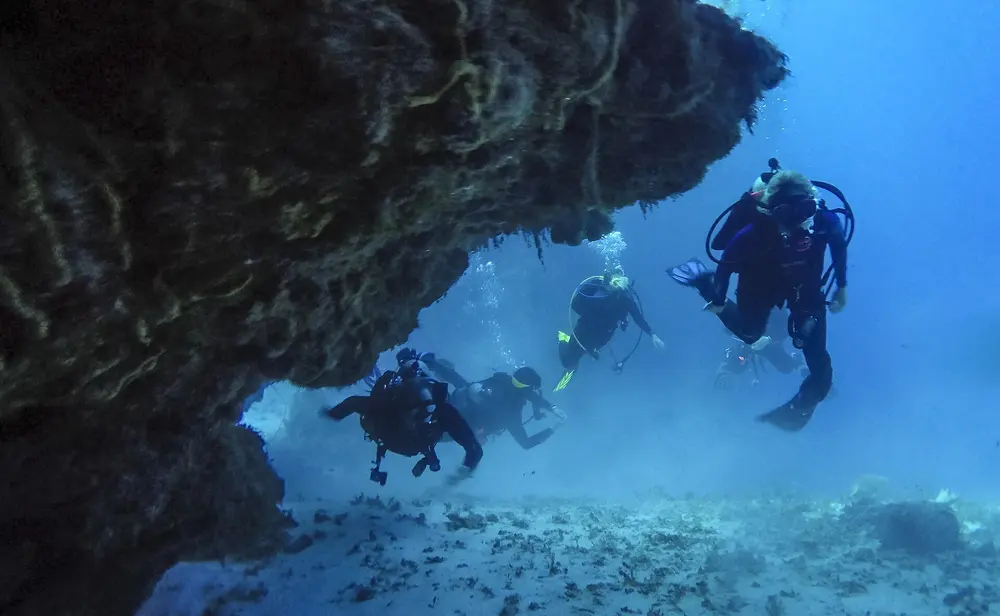
Miyako Island: guided boat fun diving tour
Guided boat dives for certified divers at Miyako's reef and cavern sites.
Check availabilityBook via GetYourGuide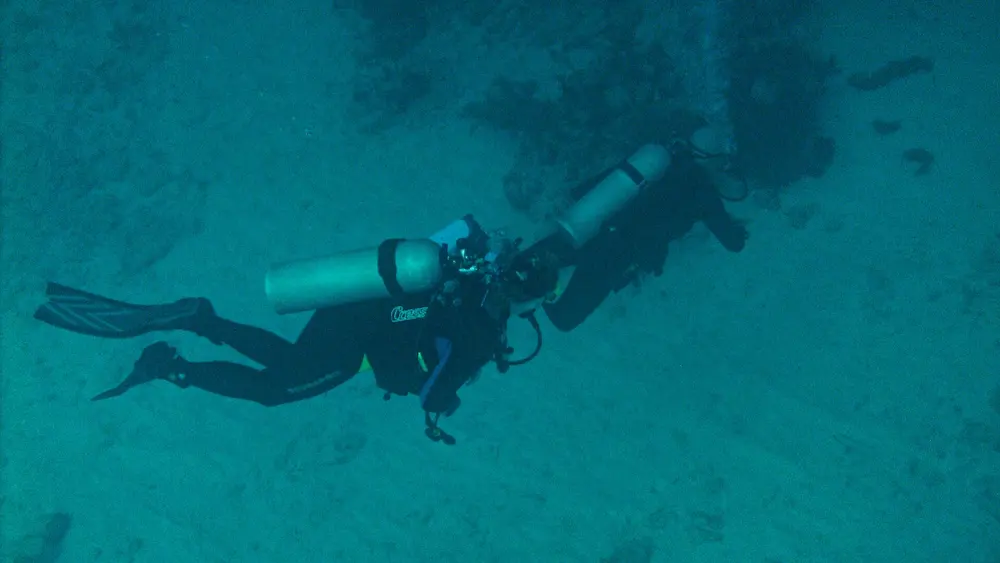
Miyako Island: boat introductory scuba dive
A first dive from a boat with an instructor; no certification needed. Check age and health requirements.
Check availabilityBook via GetYourGuide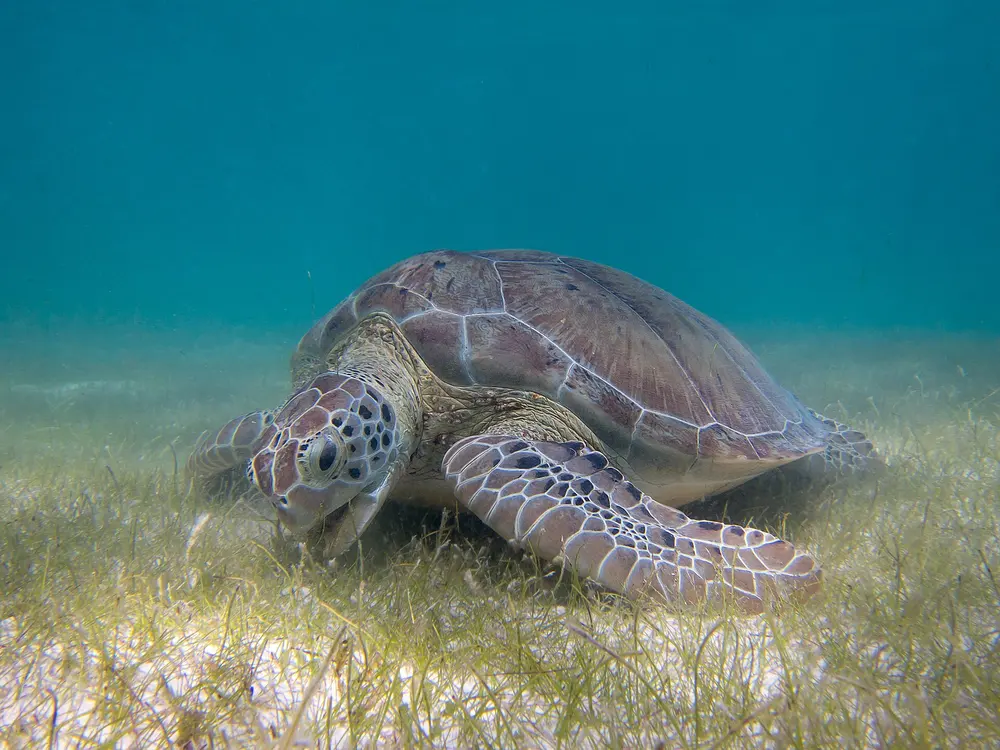
Miyako: sea turtle snorkelling tour
A guided snorkel at a Miyako bay where green sea turtles feed. Check the listing for minimum age, gear and meeting point.
Check availabilityBook via GetYourGuideTour listings are on GetYourGuide. Prices, times and cancellation terms are shown live on each listing and can change; Ryukyu.com may earn a commission at no extra cost to you.
Ishigaki, Iriomote and the Yaeyama outer islands
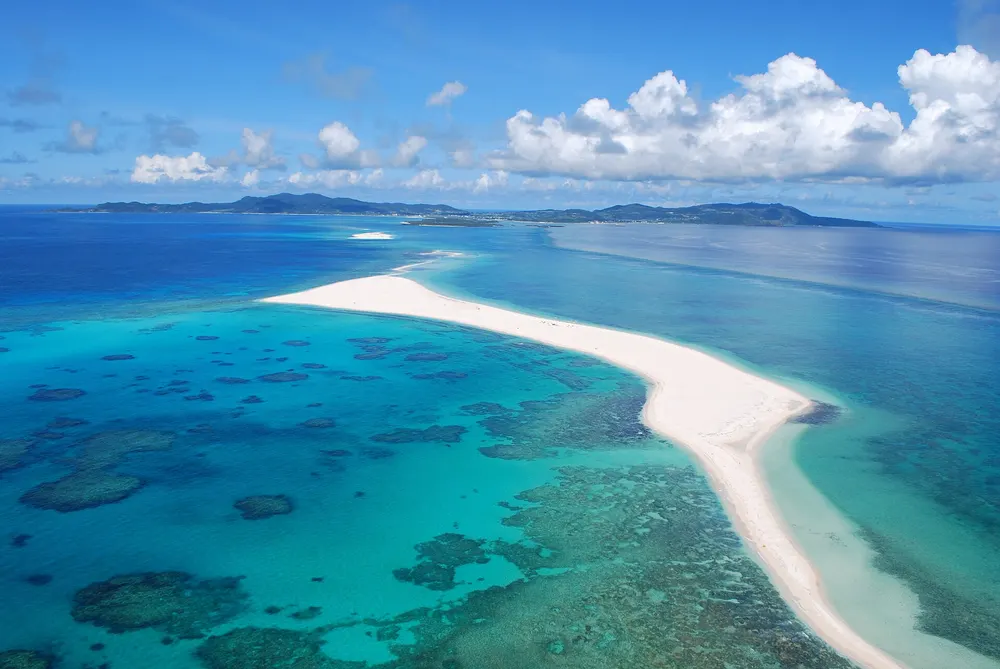
Ishigaki's most famous site is Manta Scramble off Kabira-Ishizaki on the north-west coast, a cleaning station where manta rays gather; sightings are frequent but never guaranteed, and the site is weather-dependent. The Sekisei Lagoon and the reefs around Taketomi, Kohama and Iriomote (Barasu islet, the north coast) offer easy snorkelling from boats. The phantom island sandbar off Taketomi is a popular snorkel stop combined with a Taketomi visit.
Yonaguni, the westernmost island, is a winter destination for experienced divers: schools of scalloped hammerhead sharks pass in the cold months (roughly December to March), in strong currents. Off its south coast lie the Yonaguni monument formations, terraced rocks that some argue are man-made and geologists generally consider natural. Hateruma and Kumejima also have good diving with local operators. See Ishigaki, Iriomote & Taketomi and Yonaguni.
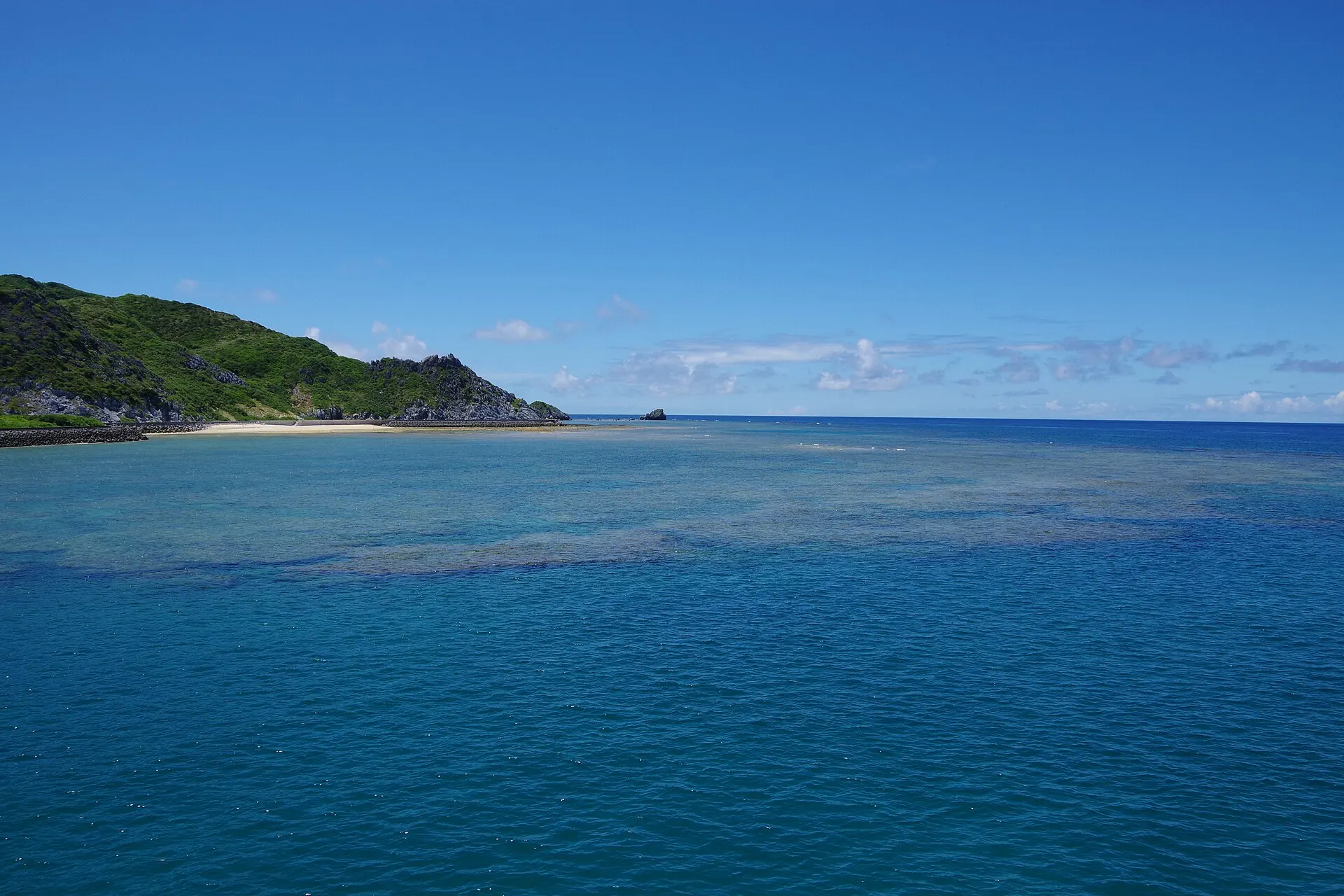
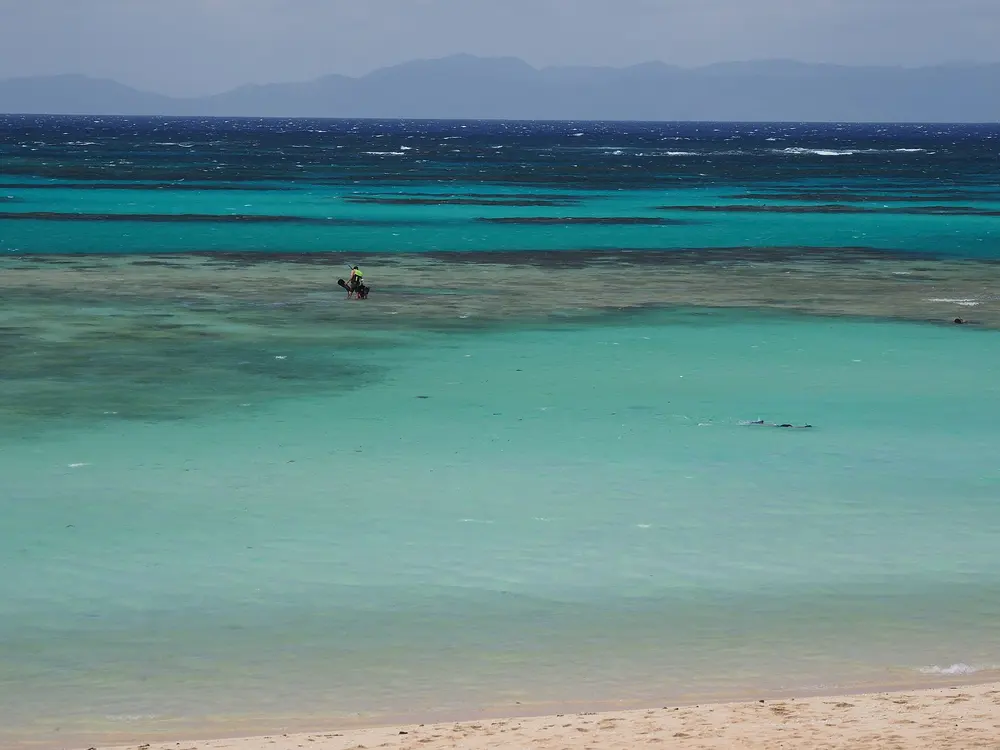
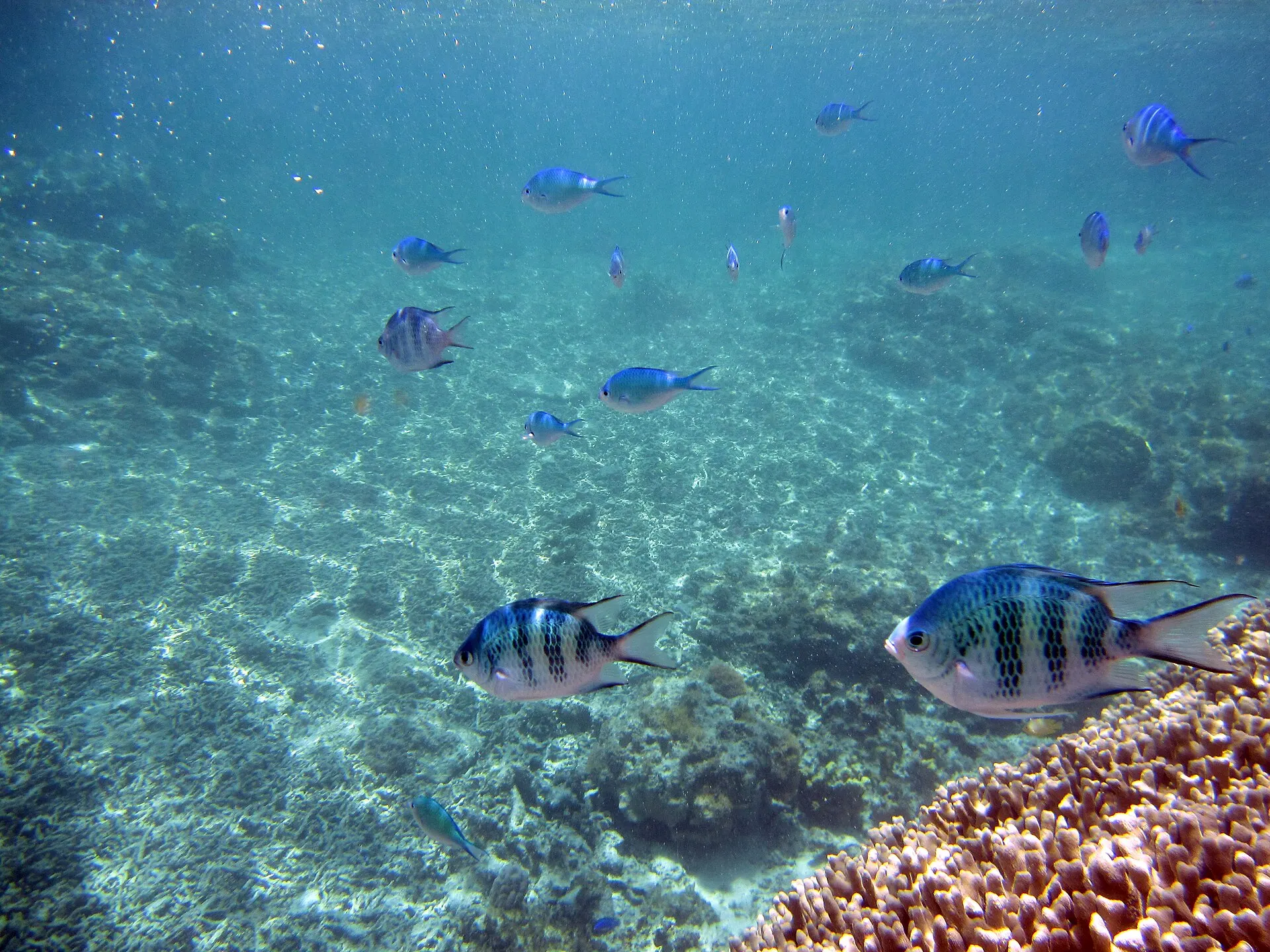
A shallow reef off Tonaki Island, west of Naha.
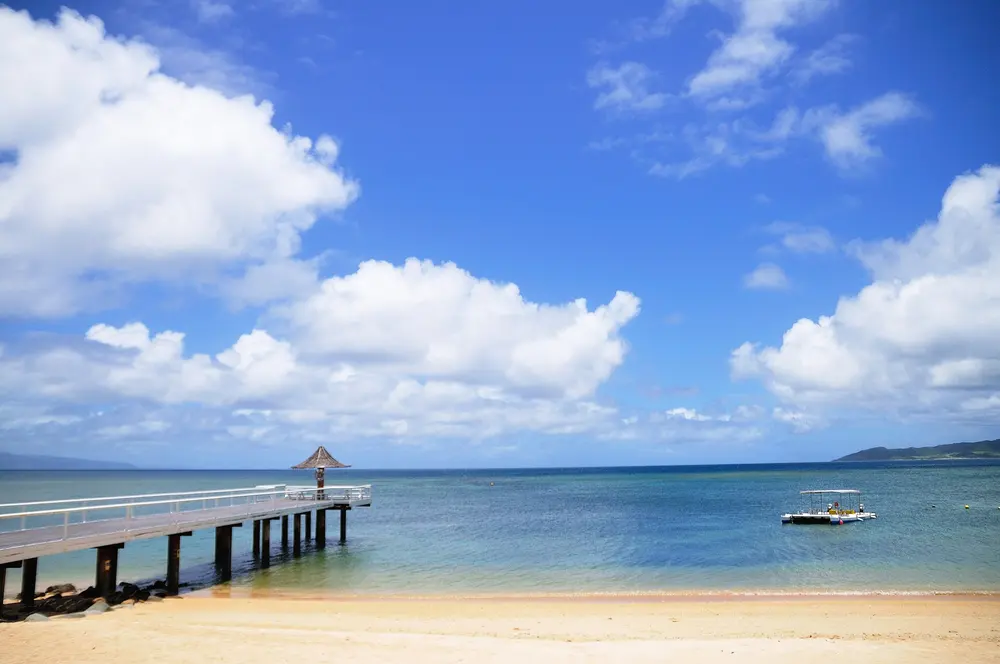
Ishigaki: boat snorkelling tour at the phantom island
A boat trip to the sandbar that appears at low tide, with snorkelling around it.
Check availabilityBook via GetYourGuide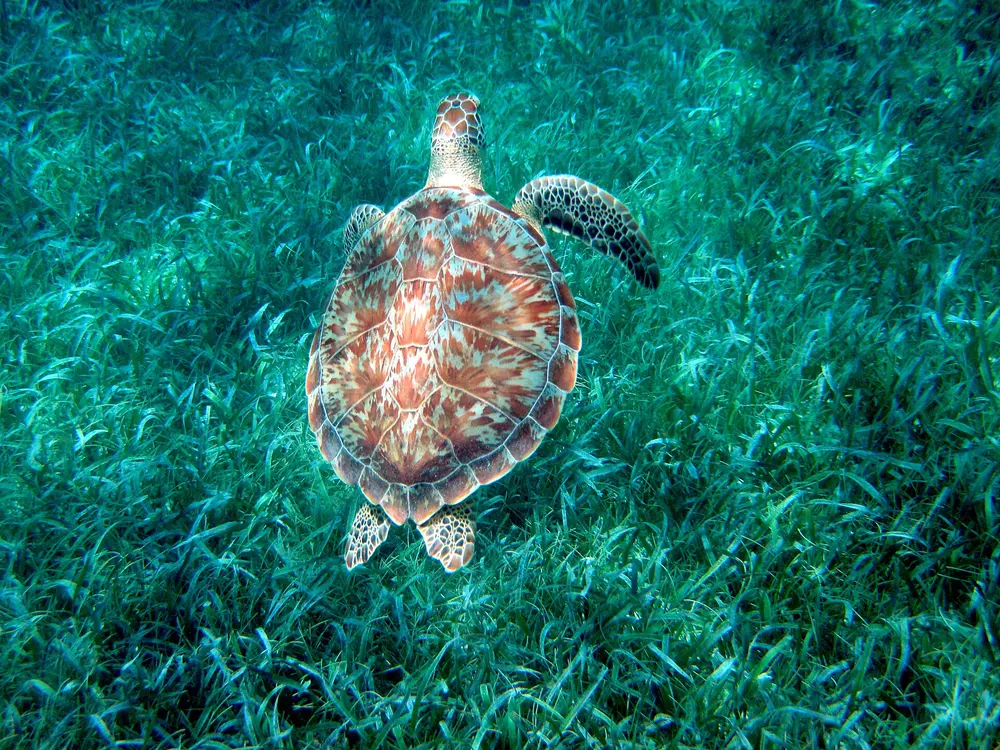
Ishigaki: beginner turtle snorkelling in English with pick-up
A beginner-friendly turtle snorkel with an English-speaking guide and pick-up.
Check availabilityBook via GetYourGuide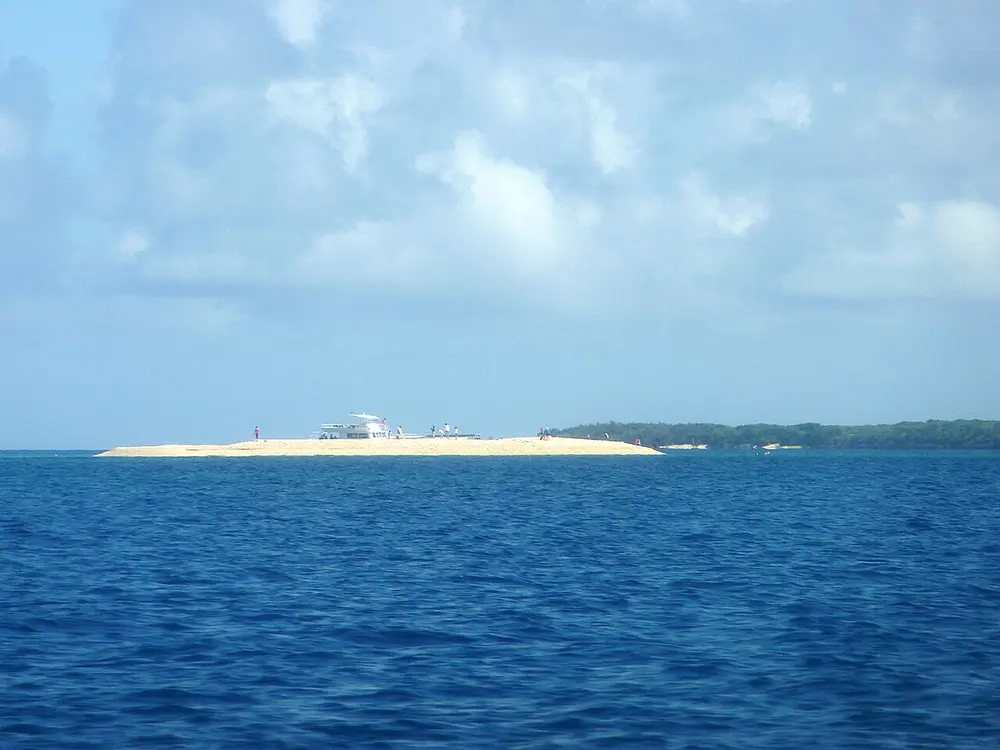
Iriomote: boat snorkelling tour at Barasu Island
A boat trip to Barasu, the coral-rubble islet, with snorkelling.
Check availabilityBook via GetYourGuideTour listings are on GetYourGuide. Prices, times and cancellation terms are shown live on each listing and can change; Ryukyu.com may earn a commission at no extra cost to you.
Amami Islands
Amami-Oshima, Kakeroma, Tokunoshima, Okinoerabu and Yoron all have reef diving with small local shops and far fewer divers than Okinawa. Amami's waters are home to the white-spotted pufferfish, described as a new species in 2014, whose males build intricate circular sand nests on the sea floor; divers had puzzled over the 'mystery circles' for years before the builder was identified. Okinoerabu is known for limestone caves on land and under the sea. The Amami beaches and diving guide has operator areas.
When to go
The best time to visit and typhoons pages explain what happens to boats and flights in bad weather. Dive and snorkel tours are cancelled when it is unsafe; book trips early in your stay so you have a spare day.
| Season | Water | Conditions | Highlights |
|---|---|---|---|
| Mar–May | Warming from about 22 °C | Generally calm; rainy season from about mid-May | Clear water, fewer crowds |
| Jun–Sep | Warmest, about 28–29 °C | Typhoon risk peaks Aug–Sep; box-jellyfish advisory Jun–Sep | Turtles, easy snorkelling, longest days |
| Oct–Nov | Still warm | Typhoons possible in October; northerly winds begin | Mantas off Ishigaki, good visibility |
| Dec–Feb | Coolest, about 21–22 °C | Northerly winds close north-facing sites; wetsuit needed | Humpbacks in the Keramas, Yonaguni hammerheads |
Snorkelling without a tour
Independent snorkelling is possible at managed beaches with nets and lifeguards, such as many resort beaches on the Onna coast, Emerald Beach and the Kerama beaches in season, but stay within the swimming area. Rent fins and a mask locally or bring your own, wear a rash guard or wetsuit, use a buoyancy aid if you are not a strong swimmer, and never swim out to the reef edge. On Miyako and Ishigaki, several beautiful spots have strong currents that are not obvious from the beach; local dive shops can tell you where it is safe that day.
Safety: what operators and divers should do
- Choose a professional operator. Look for licensed instructors, small groups, a briefing in a language you understand, and life jackets or buoyancy for snorkellers; most snorkel tours make floatation compulsory.
- Respect currents. Reef channels and headlands have strong currents, especially at changing tide. Never snorkel alone outside a managed beach.
- Protect against stings. Wear a full wetsuit or rash guard, particularly from June to September when the habu-kurage (box jellyfish) advisory is in force. Carry vinegar for first aid.
- Plan your flight. Common recreational diving guidance is at least 12 hours between a single dive and flying, and 18 hours or more after multiple dives or multiple days; inter-island flights count.
- Get insured. Make sure your travel insurance covers scuba diving to the depth you will dive.
- Health. Introductory dives require a short medical questionnaire; asthma, heart conditions and recent surgery may rule you out.
Book a dive or snorkel trip
Our pick of dive and snorkel trips by experience level, all from GetYourGuide listings. Check the operator's minimum age and swimming requirements on the listing.
Frequently asked questions
Where is the best diving in Okinawa?
For most people, the Kerama Islands. Specialists also go to Miyako for caverns, Ishigaki for mantas and Yonaguni for winter hammerheads.
Do I need a licence to dive in Okinawa?
Not for an introductory dive with an instructor. Fun dives for certified divers require a C-card (PADI, SSI, NAUI and similar).
Can I see sea turtles?
Yes, often, in the Kerama Islands and on Miyako. Keep your distance and never touch them.
Is the Blue Cave open in winter?
Only on calm days: northerly winter winds often close it, and operators switch to sheltered sites.
Sources and official information
Facts were checked against these official sources in November 2026. Opening hours, prices and timetables change, so confirm before you go.
- env.go.jp
- env.go.jp
- env.go.jp
- data.jma.go.jp
- pref.okinawa.jp
- diversalertnetwork.org
- city.ishigaki.okinawa.jp
- town.yonaguni.okinawa.jp
Ryukyu.com is an independent guide, not the official site of any tourism board, government, airline, port or ferry operator. Some links are affiliate links: tours go to GetYourGuide and stays go to Booking.com, and we may earn a commission at no extra cost to you.