In short
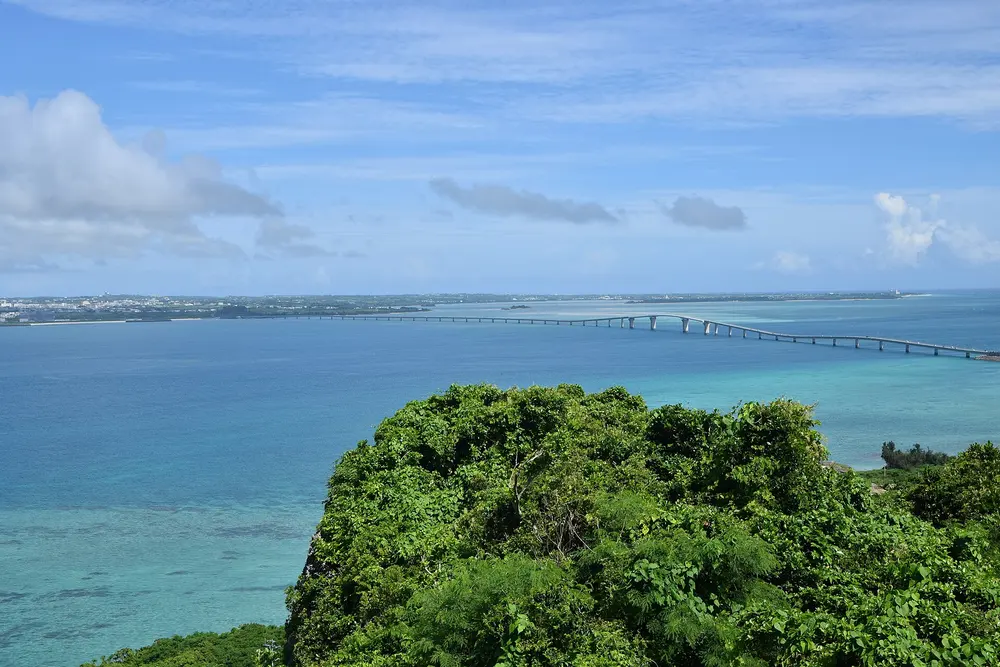
- Drive the three bridges: Irabu (3,540 m), Ikema (1,425 m) and Kurima (1,690 m). Each takes a few minutes and has a viewpoint at one end.
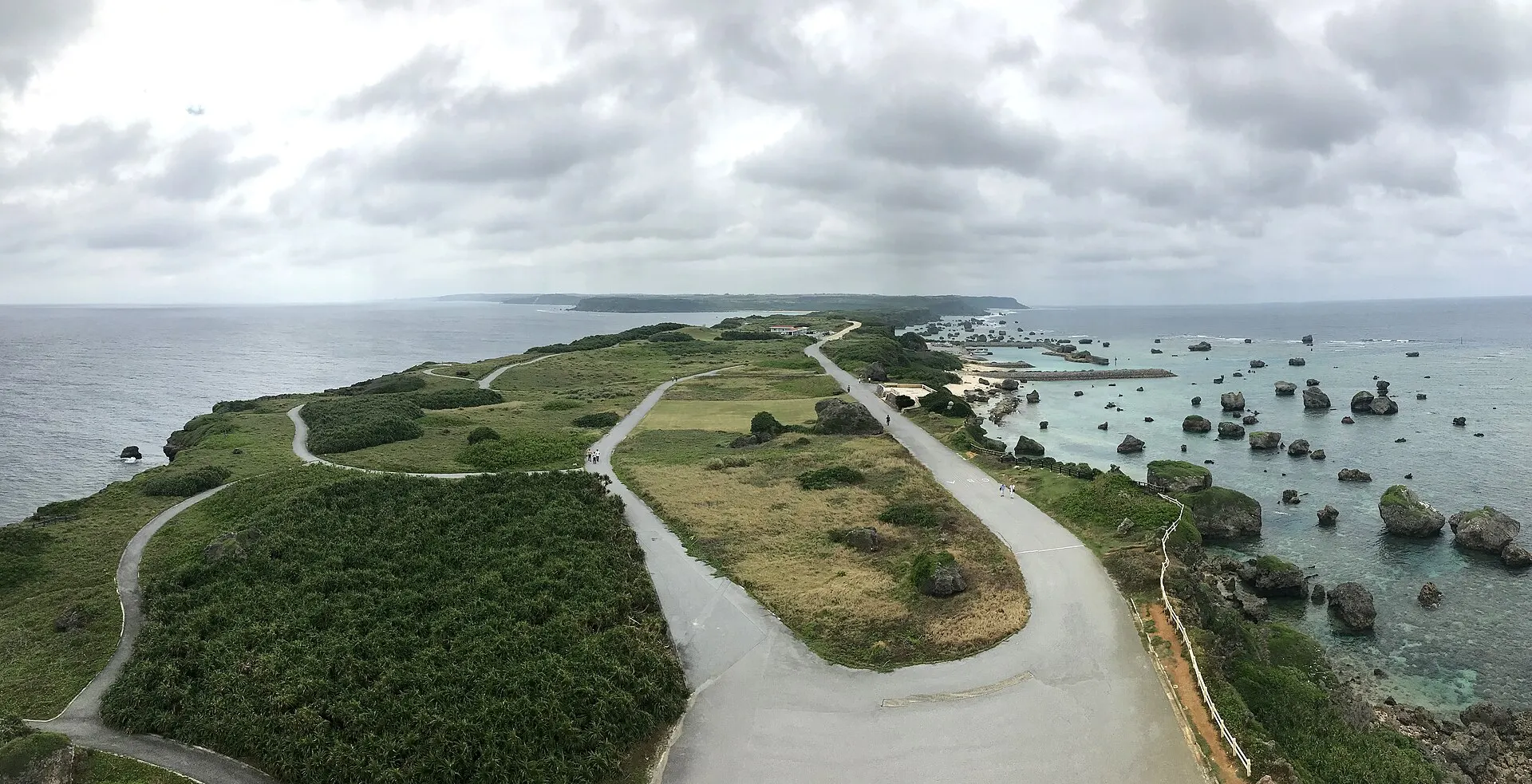
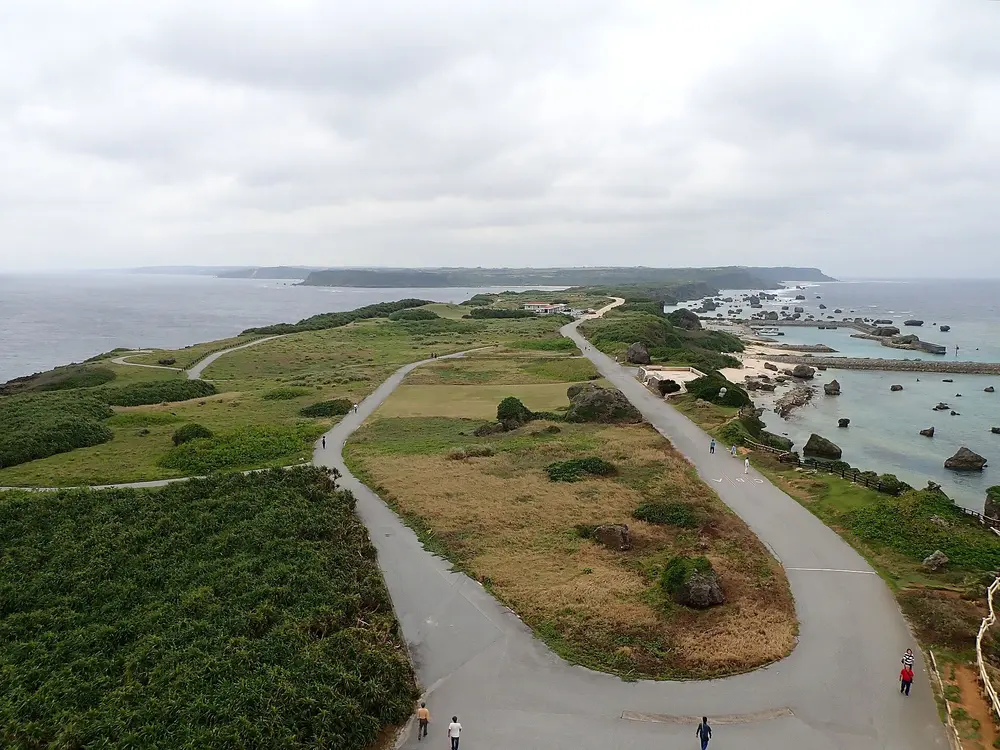
- Walk out to Higashi-Hennazaki, the 2 km cape on the south-east tip, and climb the lighthouse if it is open.
- Time the tide: 17END on Shimoji and the sandbars around the islands are at their best near low tide; Yabiji reef emerges only at the biggest spring lows.
- After dark: Miyako has dark skies away from Hirara; guided night walks look for coconut crabs and stars.
1. Drive across the Irabu Bridge
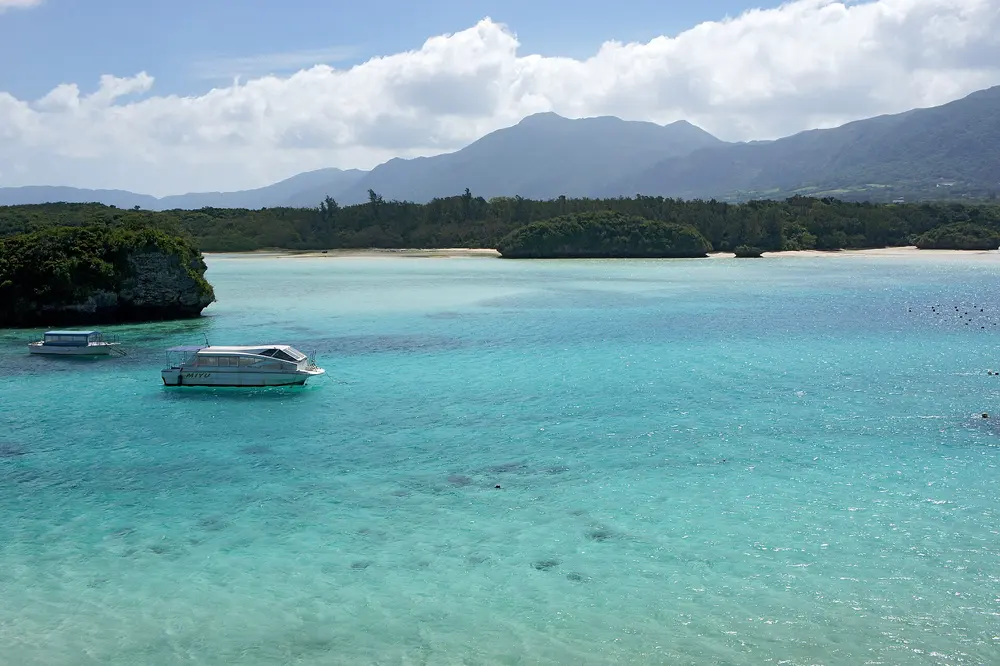
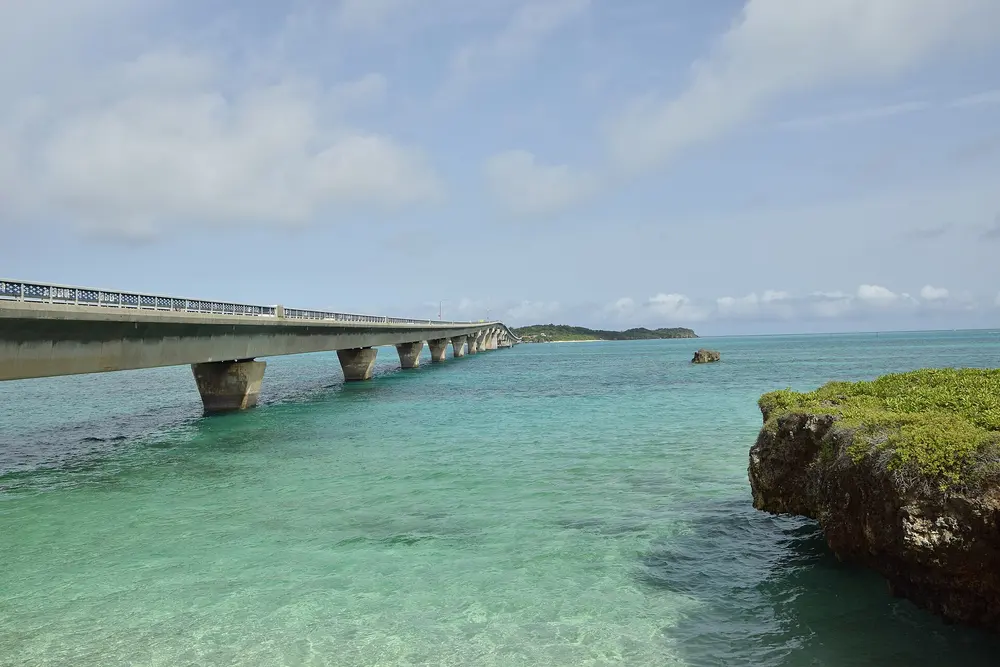
The 3,540 m Irabu Bridge, opened in January 2015, is the longest toll-free bridge in Japan and links Hirara with Irabu Island. Drive across in the morning, when the sun is behind you heading west and the water below shows its colour best. A car park and viewpoint at the Hirara end, near the bridge's commemorative monument, lets you photograph the full span. On the Irabu side, follow the road west along the coast towards Sabaoki and the cliffs of the north shore.
Cyclists and pedestrians can use the bridge too, but there is no shade and it can be very windy in winter. The bridges page compares all the road bridges of the Ryukyus.
- Length
- 3,540 m
- Opened
- 31 January 2015
- Toll
- None
- Best light
- Morning heading west, late afternoon heading east
From Miyakojima: Irabu and Kurima islands guided photo tour
Guided photo tour across the bridges to Irabu and Kurima.
Check availabilityBook via GetYourGuideTour listings are on GetYourGuide. Prices, times and cancellation terms are shown live on each listing and can change; Ryukyu.com may earn a commission at no extra cost to you.
Book tours in MiyakoLive times, prices and free cancellation terms on GetYourGuide.
Check availability2. 17END and the Shimojishima runway
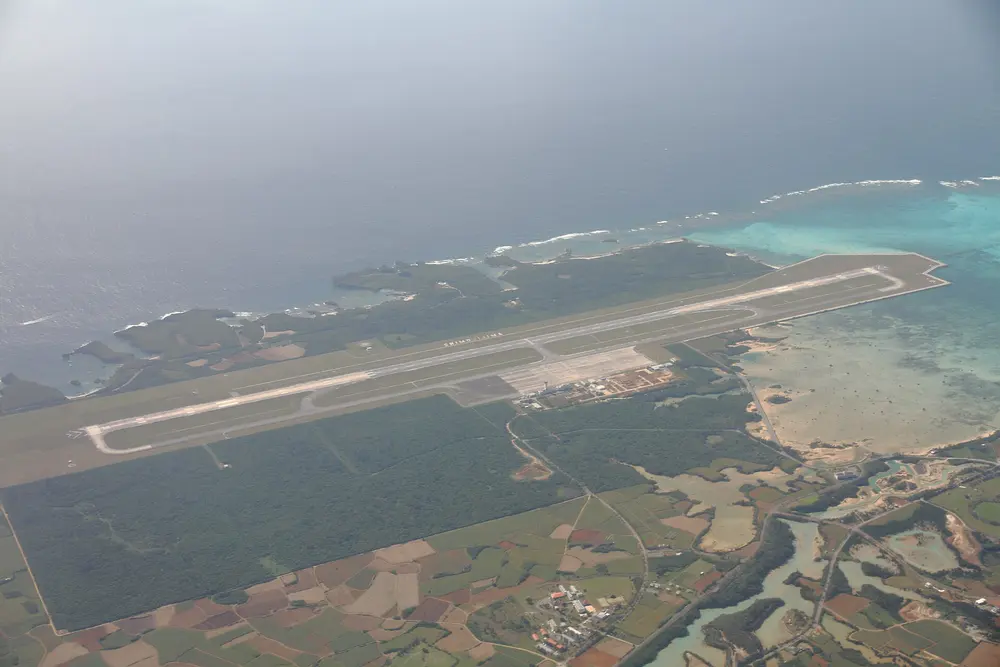
Shimoji Island's airport was built as a training field, with a 3,000 m runway that ends in the sea. The northern end, runway 17's threshold, is nicknamed 17END. Around low tide the shallows beside the runway turn a pale, glowing turquoise over white sand, and the coastal path along the outside of the fence is one of the most photographed places in Okinawa. At high tide the colours are deeper and the sand banks disappear, so check the tide table before driving out.
This is an operating airport with scheduled flights. Stay on the public side of the fence, use only the designated parking, keep off any restricted areas that are signed, and do not fly a drone. There are no toilets or shops at 17END itself.
- Where
- North end of Shimojishima Airport, Shimoji Island
- From Hirara
- About 30 min by car via the Irabu Bridge
- Best time
- Within a couple of hours of low tide, on a sunny day
3. Higashi-Hennazaki
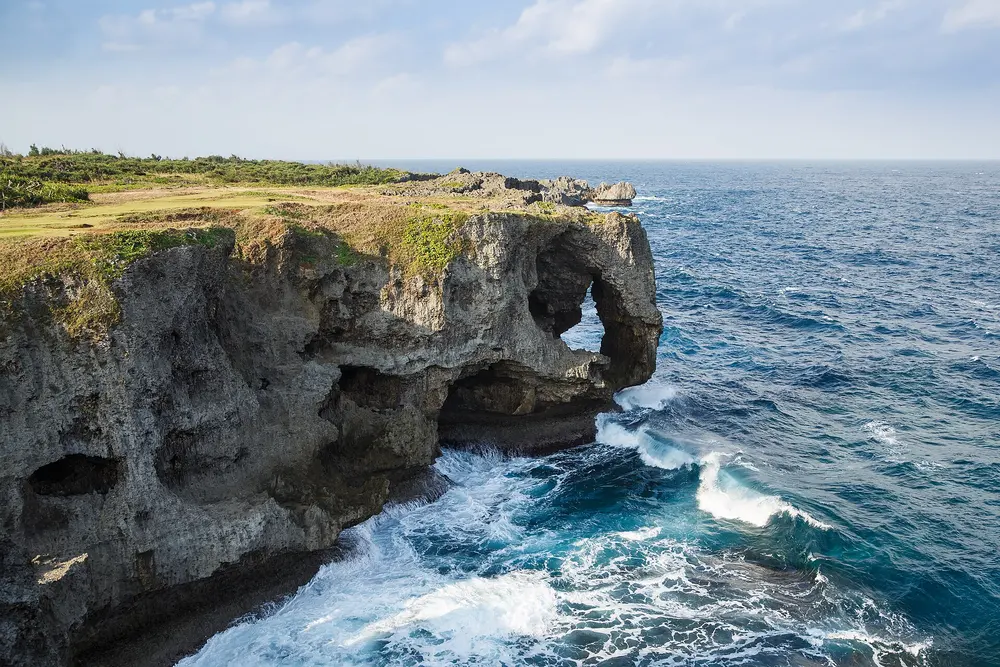
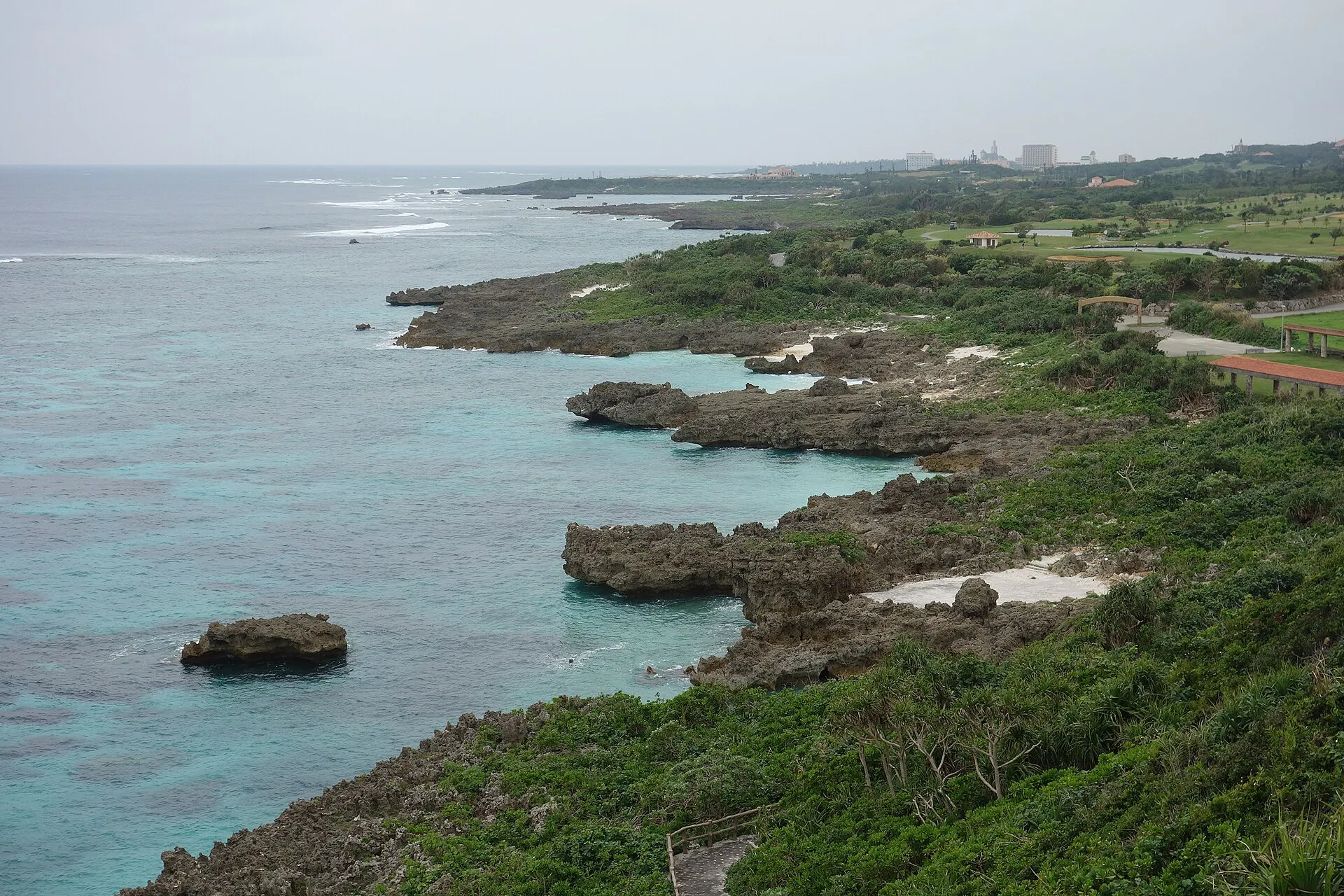
The south-east tip of Miyakojima narrows into a cape about 2 km long, with cliffs dropping into the Pacific on one side and the East China Sea on the other. Higashi-Hennazaki is a national Place of Scenic Beauty. A road runs most of the way out, ending at a car park below the Higashi-Hennazaki lighthouse, which can usually be climbed for a small fee. From the top you see the whole cape, the reef and, on clear days, nothing but open sea to the south.
Come early or late in the day for softer light and fewer tour buses. The cape is exposed and very windy in winter. In spring, wild Easter lilies (teppo-yuri) flower on the grassland along the road.
- From Hirara
- About 40 min by car
- Lighthouse
- Usually open in daytime; small entry fee (check on site)
- Time needed
- 1–1.5 hours
4. Yonaha Maehama and Kurima Island
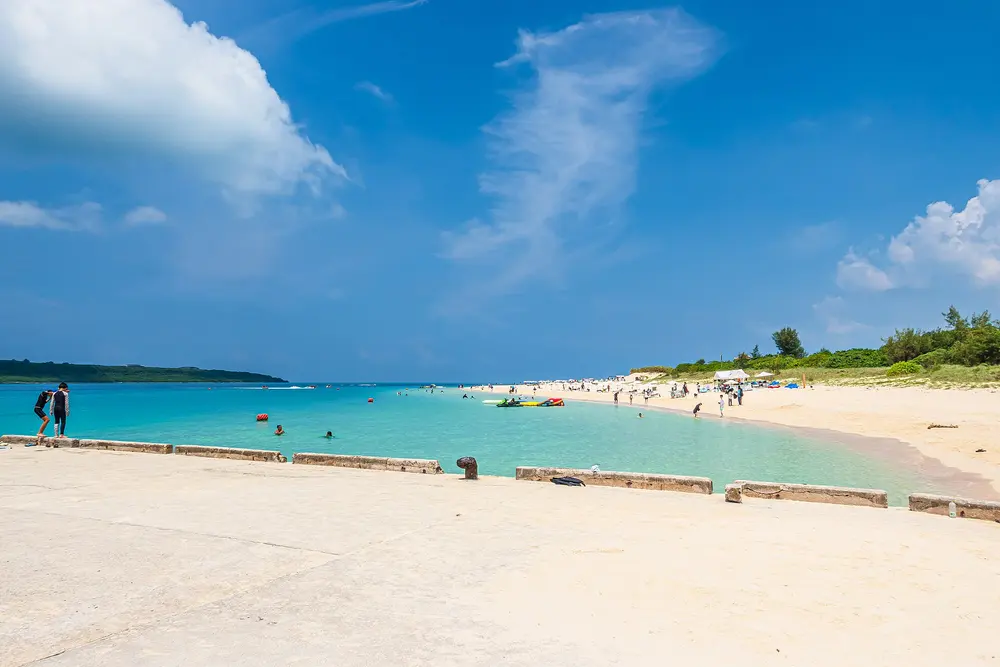
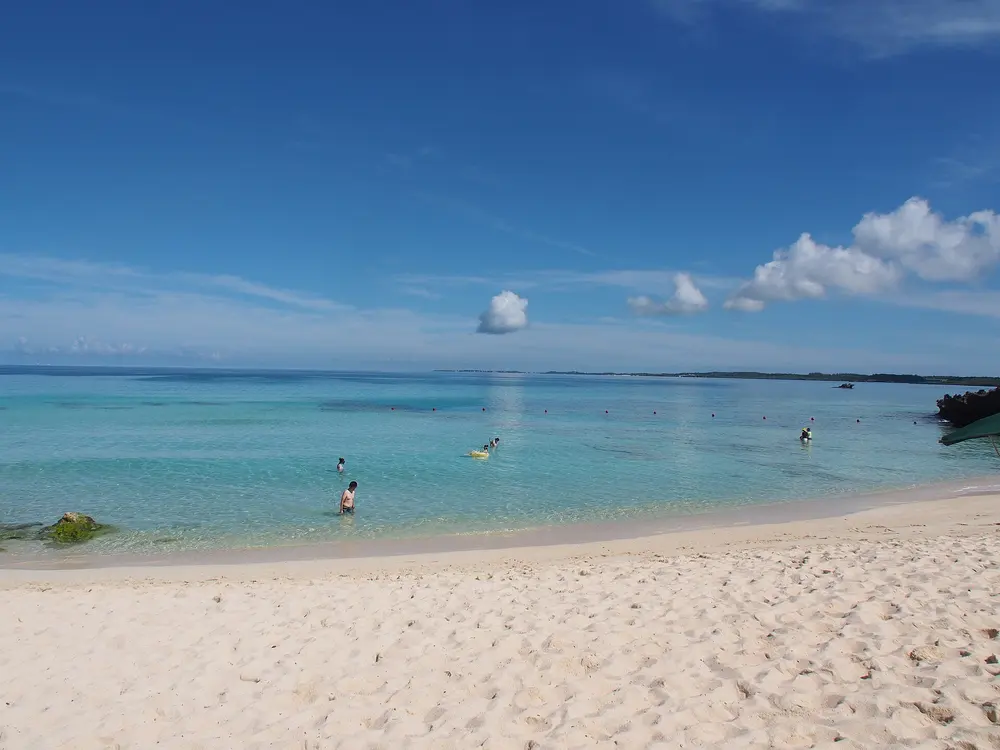
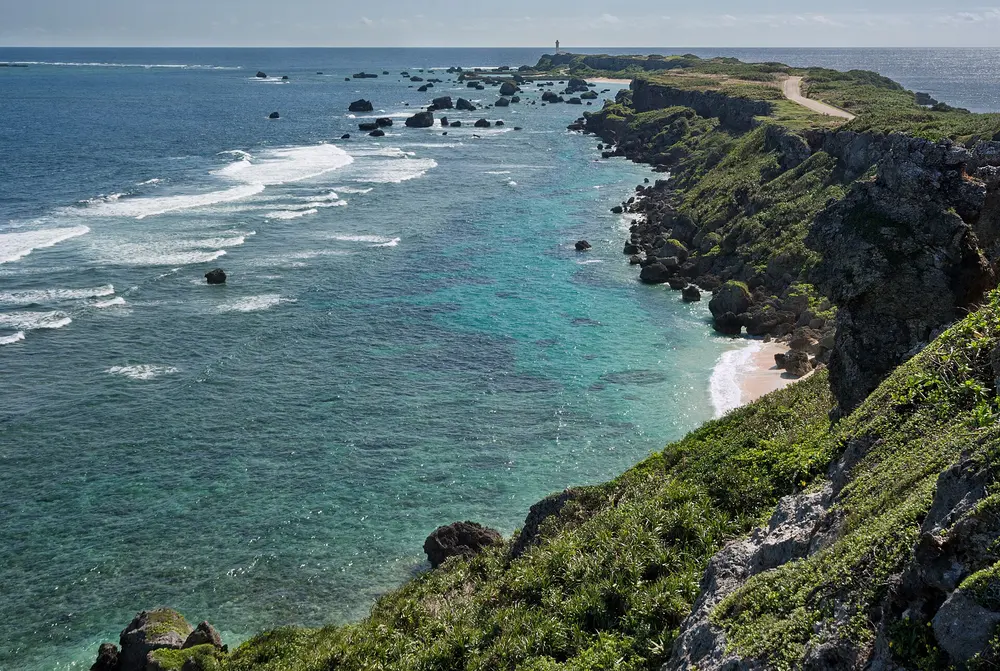
Yonaha Maehama runs for several kilometres along the south-west coast and is the beach most people mean when they talk about Miyako. The sand is fine, the water shallow for a long way out, and the view across to Kurima Island is open. In summer there are showers, rental shops and marine-sports operators. In the middle of the day it is very bright and has almost no shade, so bring a parasol or come in the late afternoon.
From the north end of the beach, the 1,690 m Kurima Bridge crosses to Kurima Island. Drive up to the Ryugu-jo observation deck on the island for a view back over Maehama, then stop at one of the cafés for a cold drink. The island is small and quiet; respect the villages and park only in designated places.
5. Ikema Island and the north
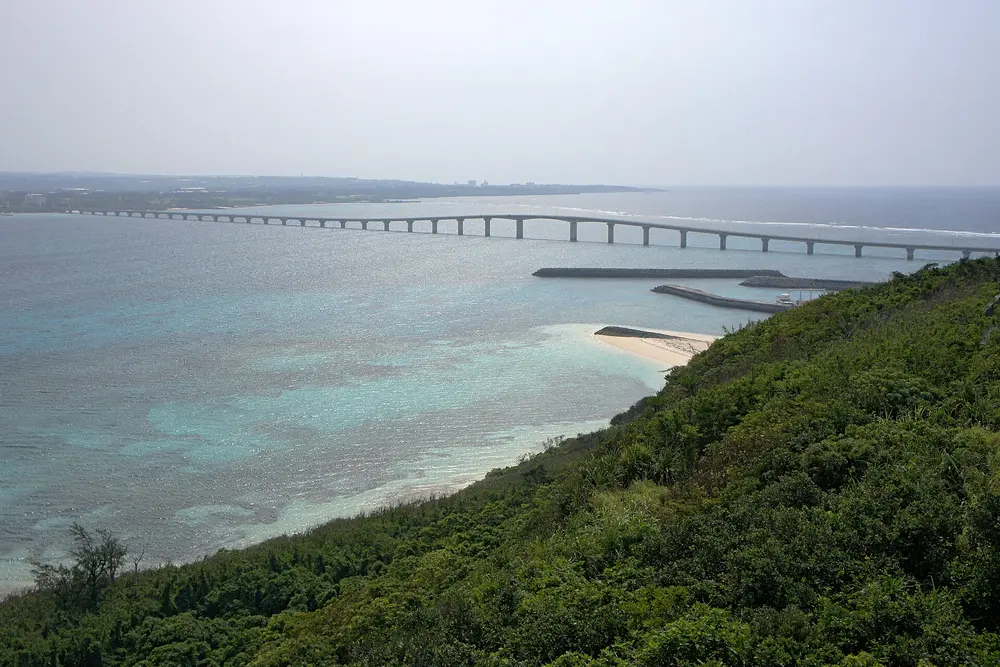
Drive north from Hirara through the farmland of Karimata to Nishi-Hennazaki, the north-west cape, where a small park looks over to Ikema Island and the 1,425 m Ikema Bridge of 1992. Cross the bridge and follow the road around Ikema: it takes under half an hour, with fishing harbours, a wetland in the centre of the island and small beaches on the north shore. Ikema is a close-knit fishing community; keep to public roads and beaches.
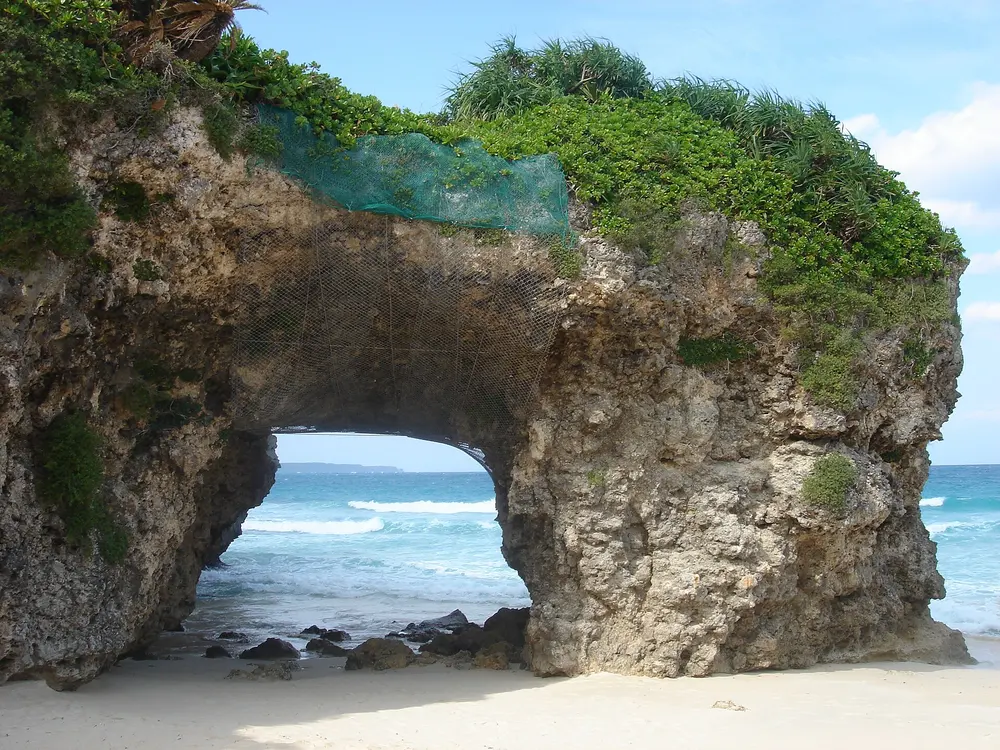
On the way back, stop at Sunayama Beach, north of Hirara: a short walk over a sand dune leads down to a cove with a rock arch. The arch is netted and fenced because of rockfall risk; do not climb it or go under it.
6. Yabiji, the great reef
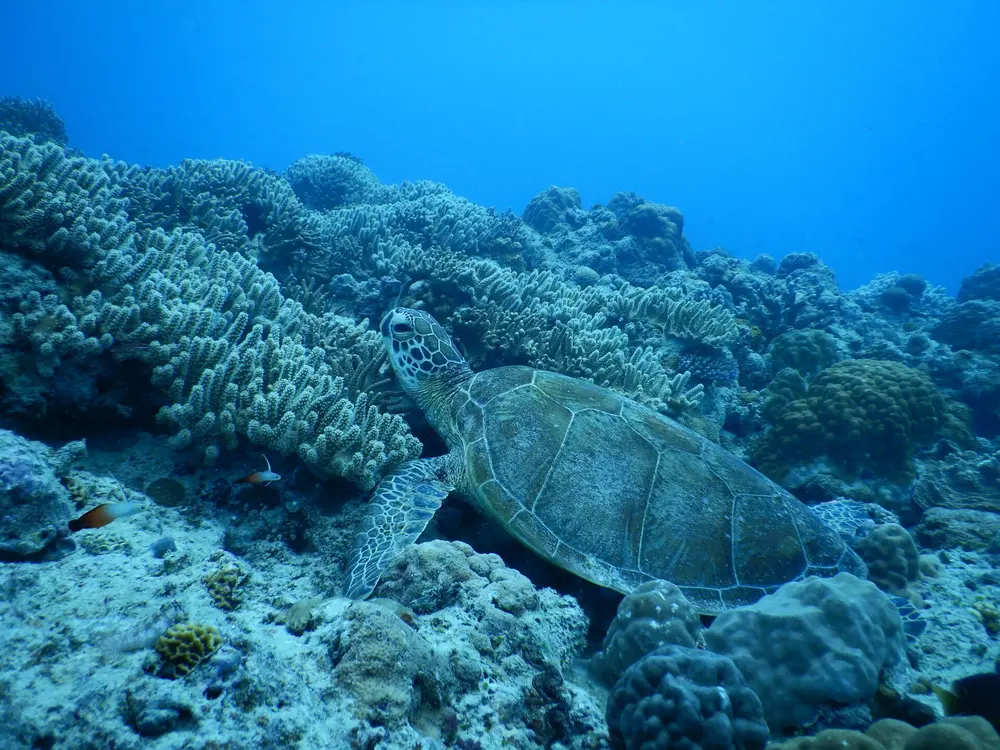
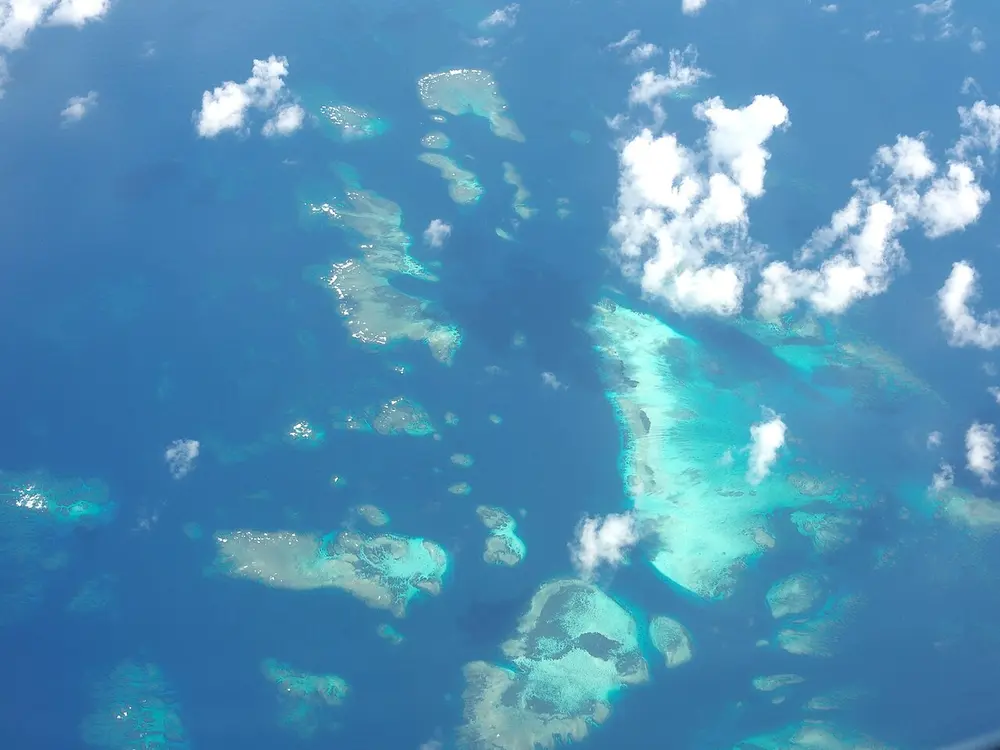
Yabiji (八重干瀬) is a complex of more than a hundred reef patches north of Ikema, stretching roughly 17 km from north to south and 6.5 km across, between about 5 and 22 km offshore. It is the largest coral reef group in Japan and is protected as a national Place of Scenic Beauty and Natural Monument. For most of the year it lies entirely under water and is visited by snorkelling and diving boats. Around the lowest spring tides, traditionally around the third day of the third lunar month (usually April), parts of the reef emerge, and local tradition marks the day with rituals and family outings.
To visit, join a licensed boat tour from Ikema or the north of Miyakojima. On a landing, walk only where the guide shows you, on sand and dead rubble, never on living coral, and take nothing. Tours depend entirely on tide and weather, so keep the date flexible.
7. Sandbars and boat trips
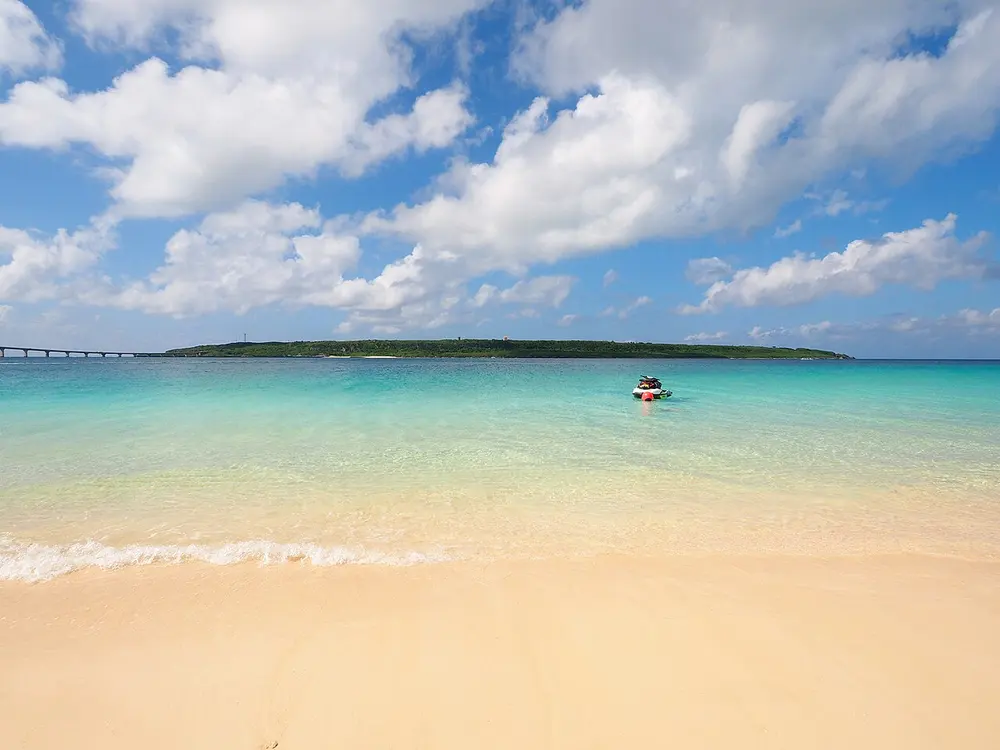
Several sandbars appear off the Miyako islands at low tide and vanish again as the water rises. The best known is Yuni-no-hama (also written Uni-no-hama), which local operators visit by boat, SUP or kayak, with snorkelling around it. As with Yabiji, trips are planned around the tide, and the sandbar is fragile: do not dig, take sand or leave anything behind.
Boat trips with drone photography and snorkel-and-landing combinations are both on GetYourGuide. Check the meeting point in the listing, since they leave from different harbours.
Miyakojima: Uni-no-hama sandbar snorkel and landing tour
A tide-dependent trip to the Yuni-no-hama sandbar with snorkelling and time ashore on the sand.
Check availabilityBook via GetYourGuide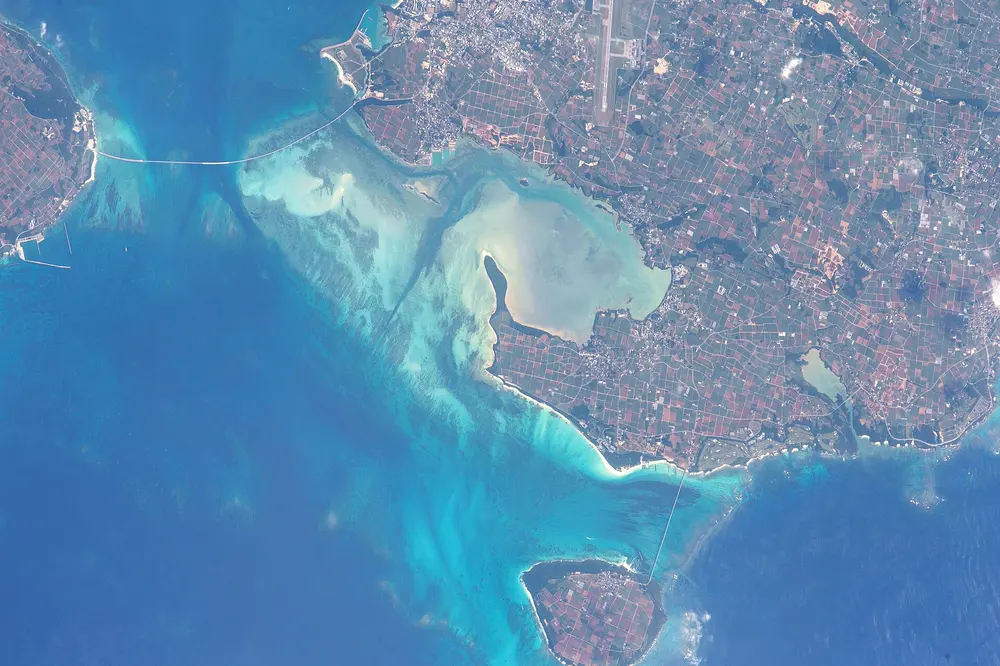
Miyako Island: Yuni-no-hama boat tour with drone photos
A boat trip to the Yuni-no-hama sandbar, with aerial drone photos of your group.
Check availabilityBook via GetYourGuideTour listings are on GetYourGuide. Prices, times and cancellation terms are shown live on each listing and can change; Ryukyu.com may earn a commission at no extra cost to you.
8. Hirara town, markets and utaki
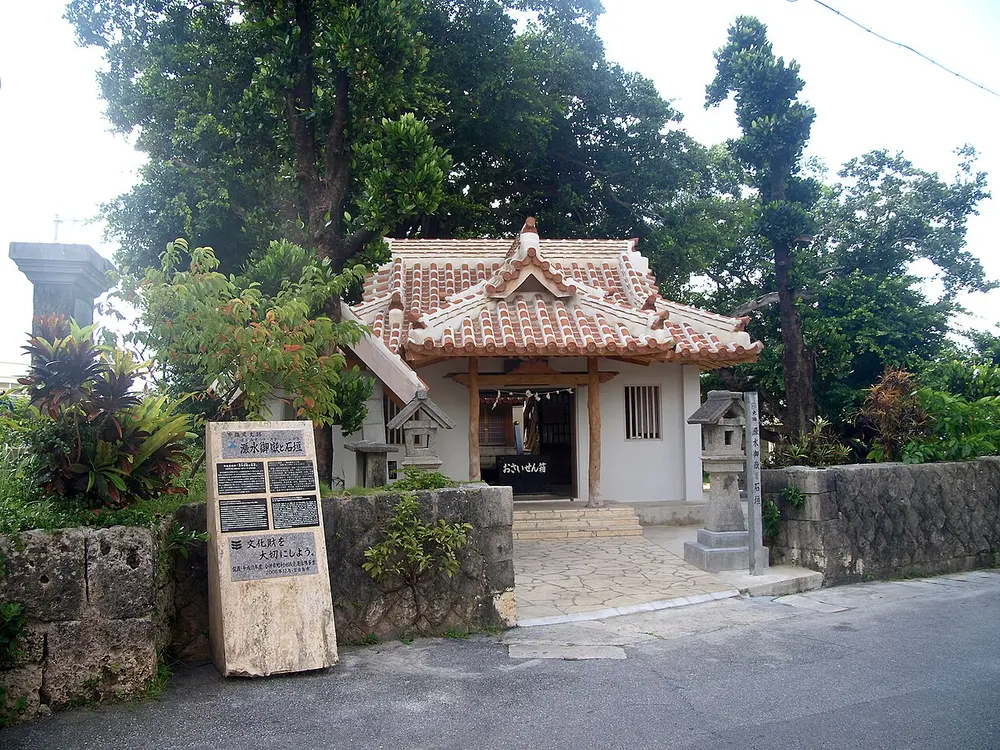
Hirara is not a pretty town, but it is a real one. Walk the streets around the port and the public market for island produce, mangoes in summer and local sweets. Harimizu Utaki, near the port, is one of the most important sacred groves of Miyako, linked to the islands' founding legends. Treat it as a place of worship: you may visit the front, but do not go beyond the barriers or take anything. The culture page explains utaki etiquette.
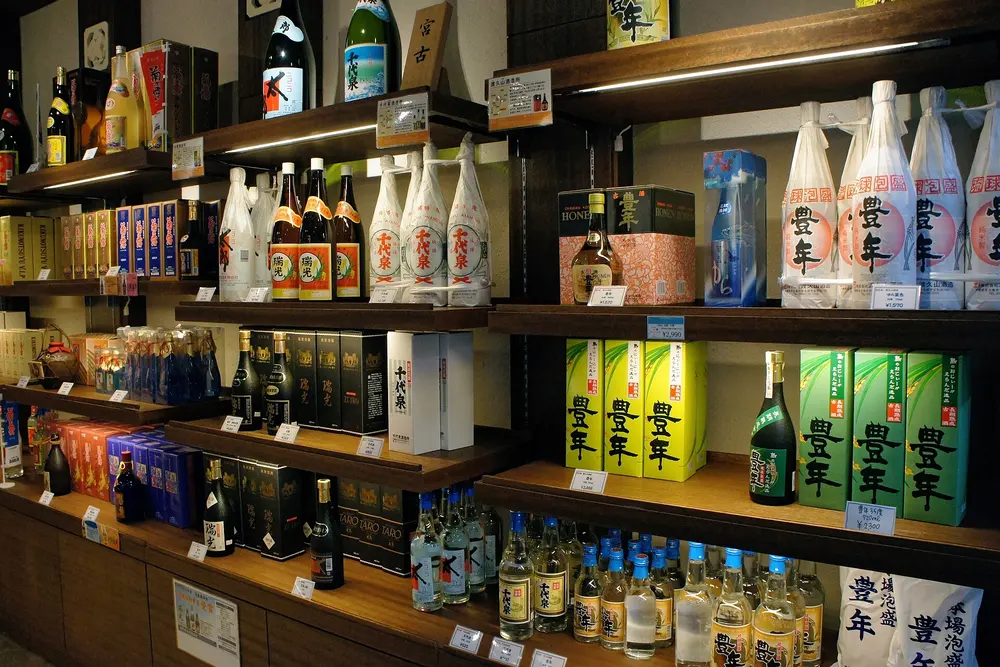
In the evening Hirara's izakaya serve Miyako soba, island fish, goya champuru and awamori, several with live folk music. Many are small; reserve on Friday and Saturday nights in the busy season.
Miyakojima: Okinawa bar-hopping tour
A guided evening around Hirara's bars and izakaya, with local food and drinks.
Check availabilityBook via GetYourGuide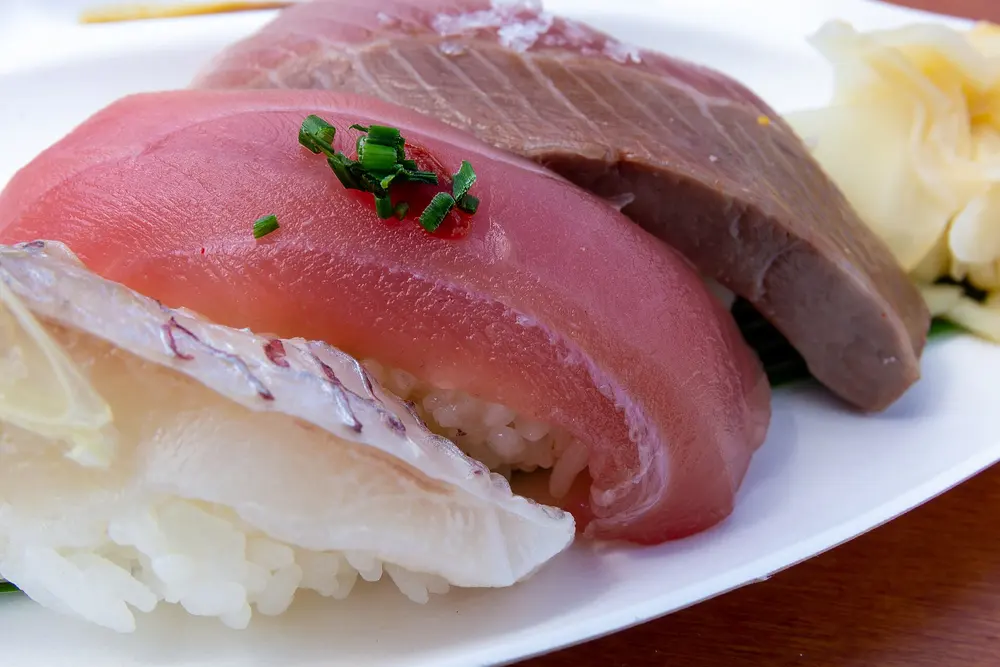
Miyakojima: sushi-making class with a chef and guide
Learn to make sushi with a chef, with a guide to translate. A good rainy-day option.
Check availabilityBook via GetYourGuideTour listings are on GetYourGuide. Prices, times and cancellation terms are shown live on each listing and can change; Ryukyu.com may earn a commission at no extra cost to you.
9. Limestone caves and inland Miyako
Because Miyako is made of porous limestone, the coast is riddled with sea caves and the islands draw their fresh water from underground. The best-known cave trips visit a coastal limestone cave nicknamed the Pumpkin Cave for a large rounded formation inside; you reach it by wading, kayaking or SUP at the right tide, and must go with a guide. Inside, you walk barefoot or in water shoes through shallow water. It is a short, fun trip, but not for anyone uncomfortable in dark, enclosed spaces.
Guided options combine the cave with snorkelling, kayaking or a beach SUP session; see the beaches and diving page and the tours below.
Miyako: Pumpkin limestone cave and snorkelling
A guided trip into the Pumpkin limestone sea cave combined with reef snorkelling.
Check availabilityBook via GetYourGuide
Miyako: Pumpkin limestone cave and kayaking
Kayak along the coast to the Pumpkin limestone cave and explore it with a guide.
Check availabilityBook via GetYourGuideTour listings are on GetYourGuide. Prices, times and cancellation terms are shown live on each listing and can change; Ryukyu.com may earn a commission at no extra cost to you.
10. Stars and night walks
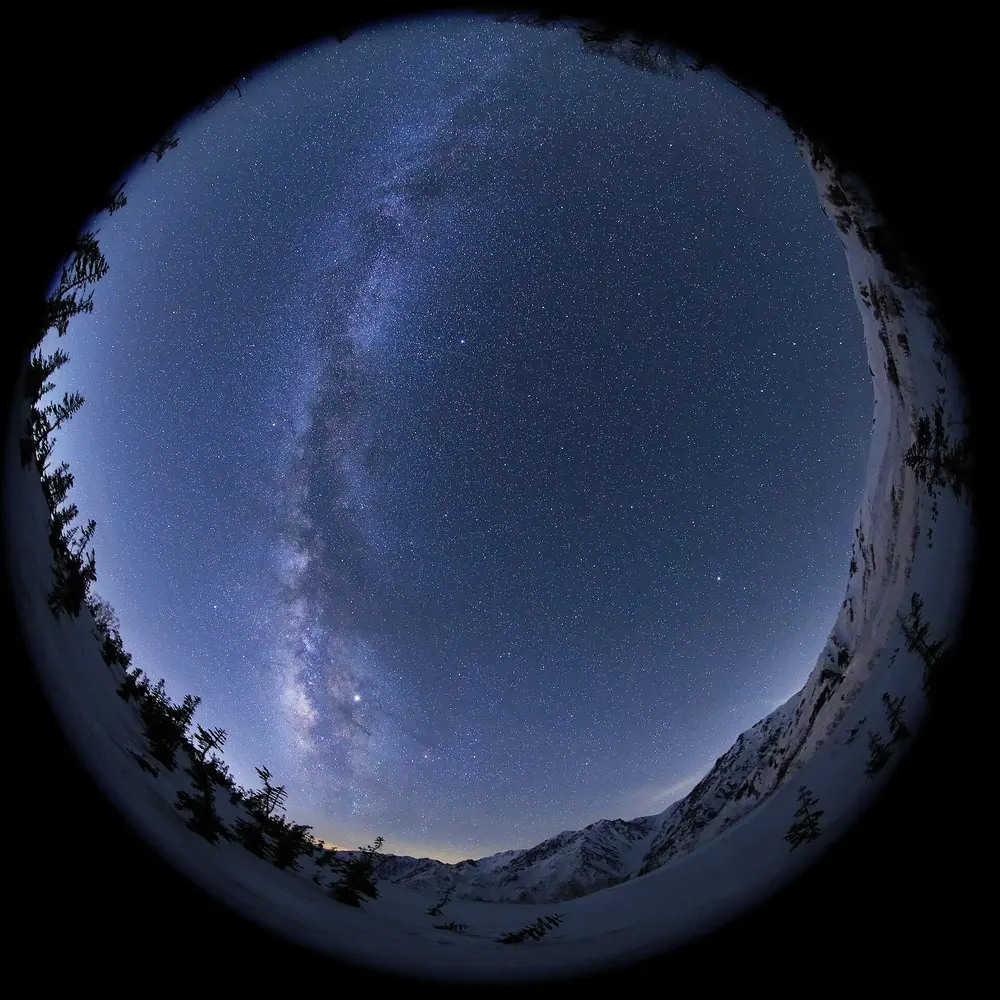
Away from Hirara, Miyako's nights are dark. On a clear, moonless night the Milky Way is easy to see from the east coast, Ikema or Irabu. Guided night tours combine stargazing with a walk through coastal forest, looking for coconut crabs, geckos and other nocturnal animals. Watch, do not handle: coconut crabs are listed as a threatened species in Japan and can give a very painful pinch.
Bring insect repellent and a torch with a red-light setting. Tours run in most seasons, but are cancelled in rain.
Miyakojima: night jungle tour and stargazing
A guided night walk looking for nocturnal wildlife, followed by stargazing under dark skies.
Check availabilityBook via GetYourGuide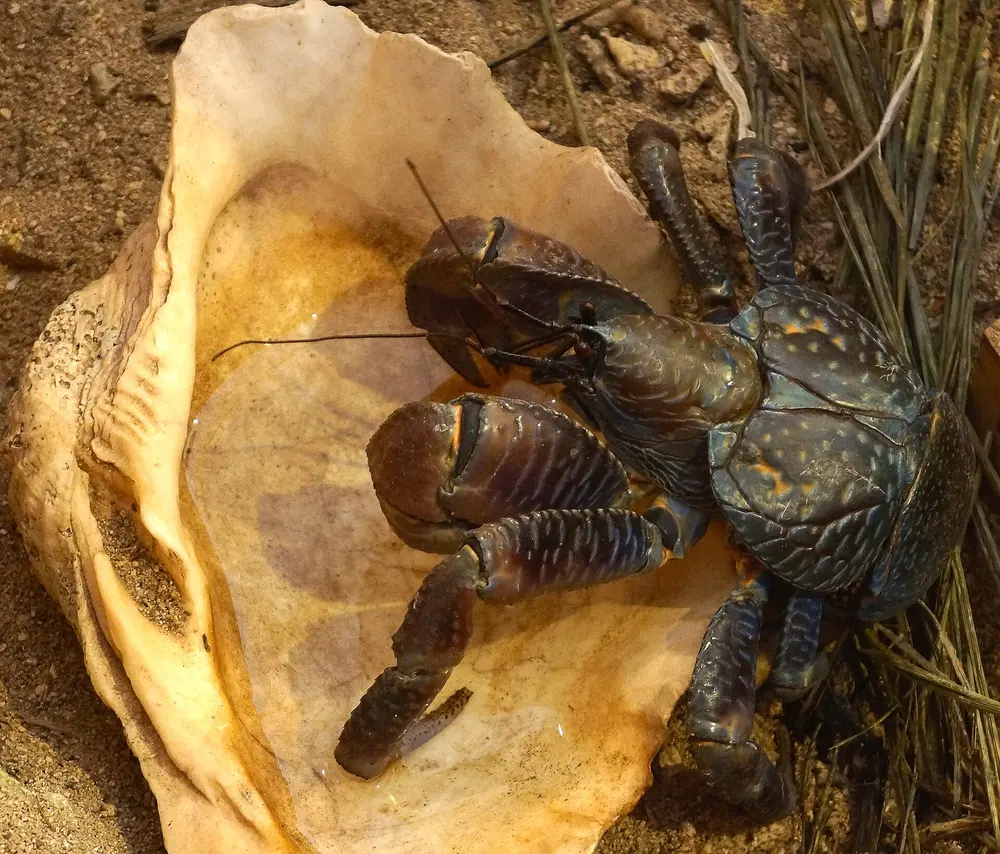
Miyakojima: jungle night tour on Kurima Island
A guided after-dark walk through the coastal forest of Kurima Island.
Check availabilityBook via GetYourGuideTour listings are on GetYourGuide. Prices, times and cancellation terms are shown live on each listing and can change; Ryukyu.com may earn a commission at no extra cost to you.
11. A full day without a car
If you are not driving, a one-day sightseeing bus tour covers the main bridges and viewpoints, and private guides and photo tours can collect you from your hotel. Cruise passengers arriving at Hirara can book a port shore excursion; see Miyako tours for all of them.
Miyakojima: one-day sightseeing bus tour
One-day bus tour of Miyakojima’s sights.
Check availabilityBook via GetYourGuide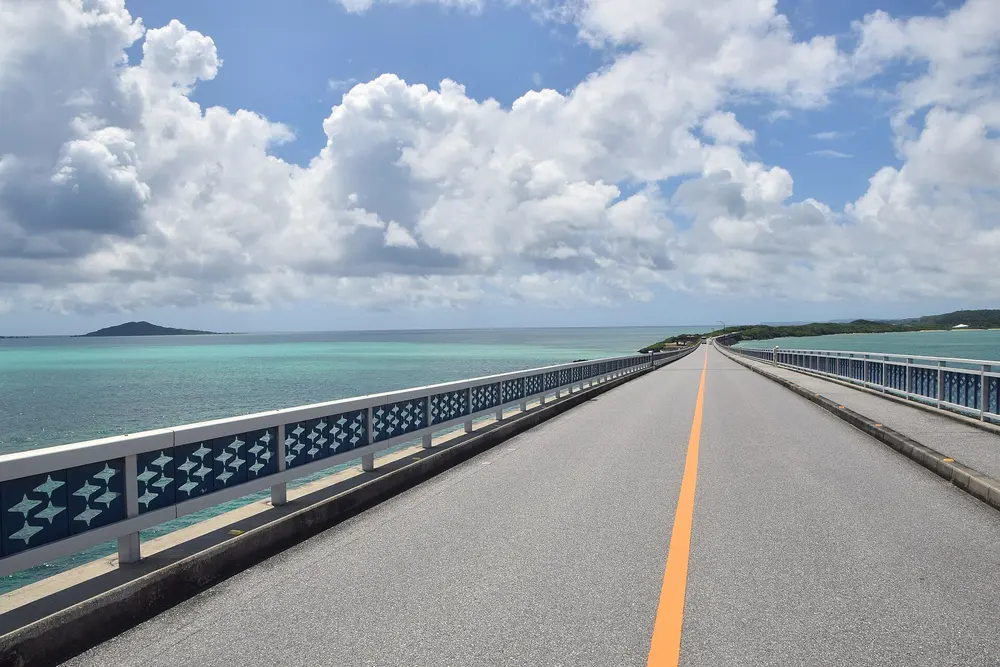
Miyakojima: Hirara Port private shore excursion
A private island tour for cruise passengers starting and ending at Hirara Port.
Check availabilityBook via GetYourGuideTour listings are on GetYourGuide. Prices, times and cancellation terms are shown live on each listing and can change; Ryukyu.com may earn a commission at no extra cost to you.
Frequently asked questions
How long does it take to drive around Miyako?
The main island is about 40 km long. A loop of the south coast, Higashi-Hennazaki and Maehama takes most of a day with stops. Irabu, Shimoji and 17END need half a day, and Ikema plus the north another half day.
When is the best tide for 17END?
Within a couple of hours of low tide on a sunny day. Use the Japan Meteorological Agency tide table for Hirara or a local tide app.
Can I walk on Yabiji reef on my own?
No. Yabiji is far offshore and only reachable by boat with a licensed operator. It is a protected Natural Monument; on landings, walk only where the guide indicates.
Sources and official information
Facts were checked against these official sources in November 2026. Opening hours, prices and timetables change, so confirm before you go.
Ryukyu.com is an independent guide, not the official site of any tourism board, government, airline, port or ferry operator. Some links are affiliate links: tours go to GetYourGuide and stays go to Booking.com, and we may earn a commission at no extra cost to you.